






EXPO REAL 2026 Final Report: Modest Growth Meets Harsh Reality

8th October 2026.
Aleksandar Opsenica
Editorial in Chief
AG Real Estate
REBEC
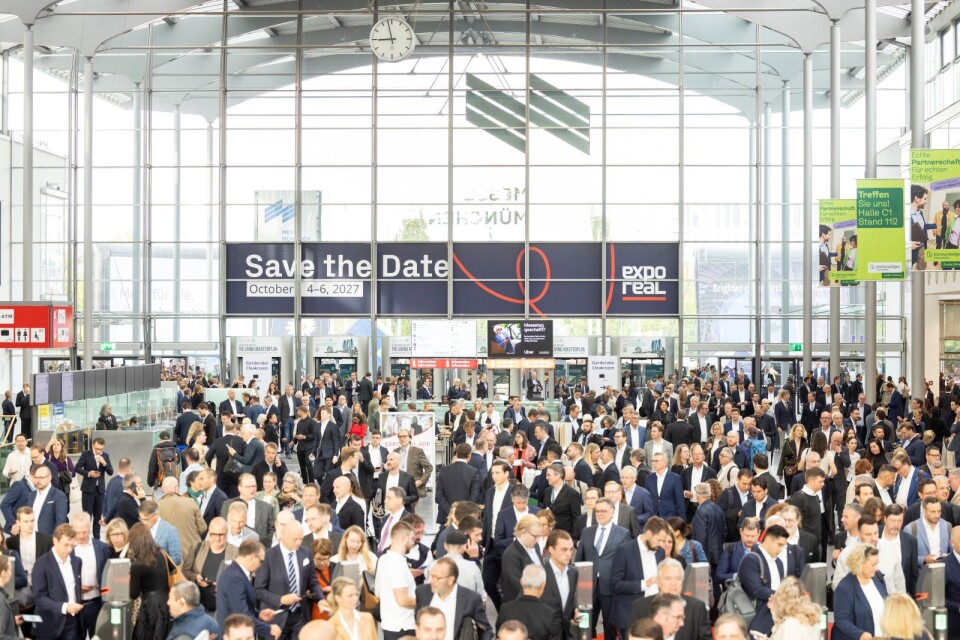
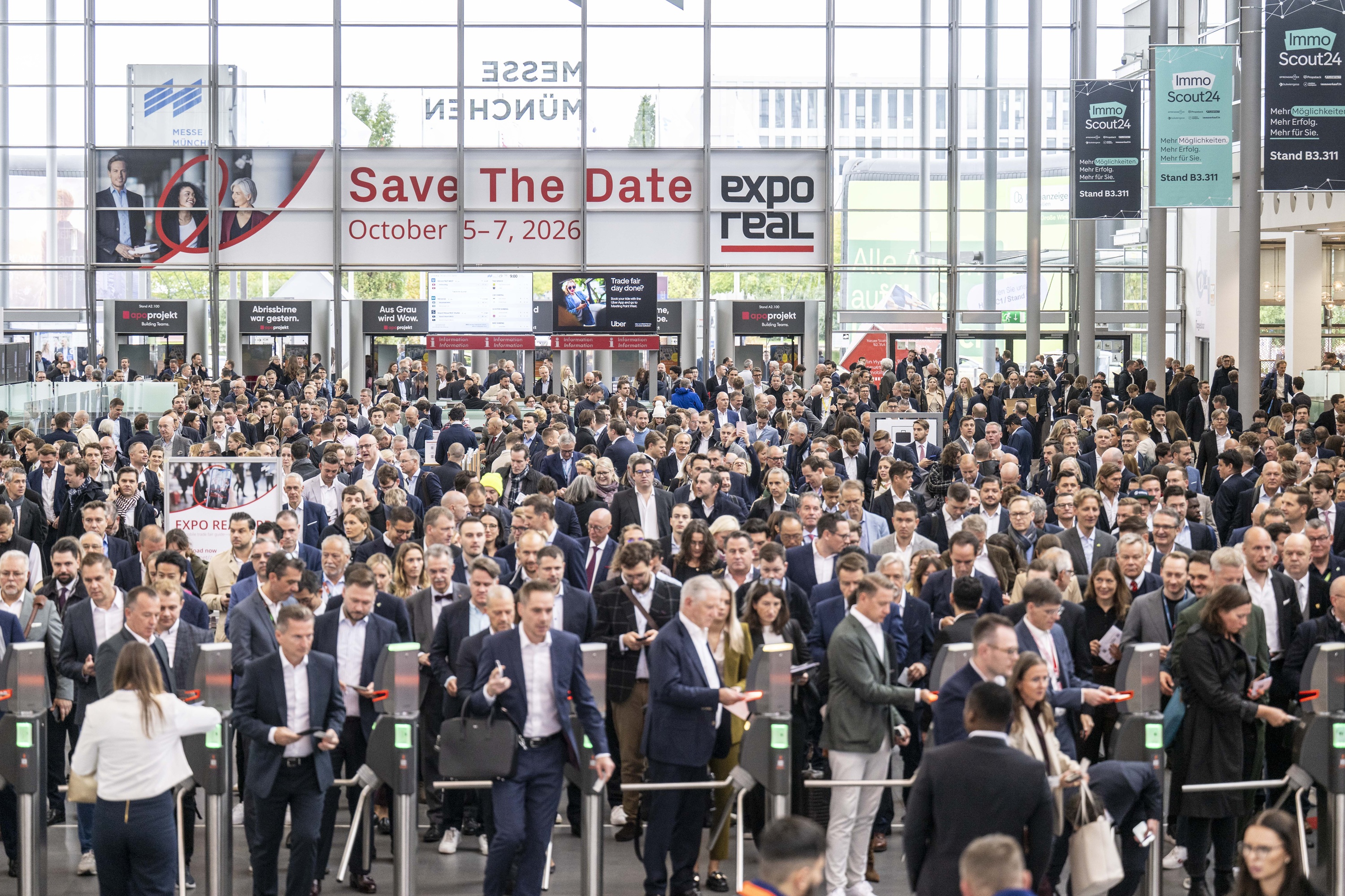
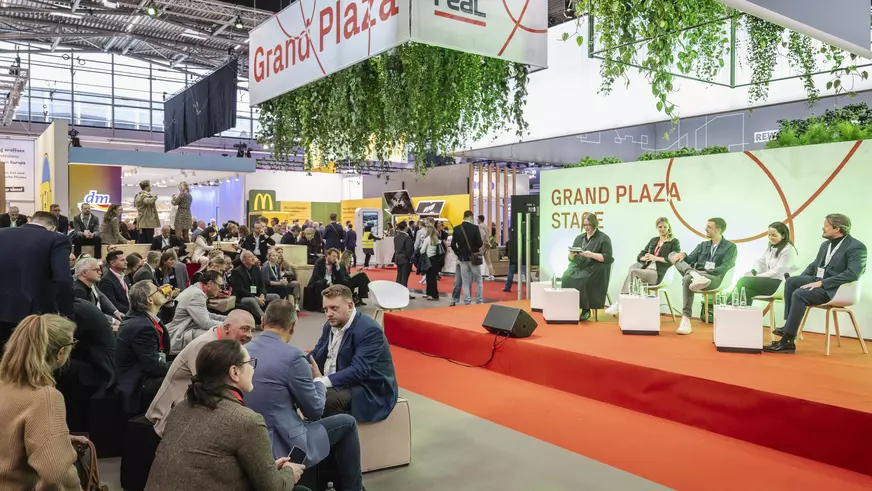
EXPO REAL was held in Munich from 5th to 7th October 2026. The event saw a slight bump in turnout compared to last year, bringing together 1,777 exhibitors from 37 countries (up from 1,742 exhibitors across 34 countries in 2025) and well over 42,000 participants from 74 nations (2025: around 42,000 participants from 70 countries). Spanning 76,000 square metres across seven halls, the spotlight was firmly on residential housing, project finance, and investment infrastructure.
While the property market is showing early signs of a turnaround, tight financing conditions, soaring construction costs, and regulatory hurdles continue to put the brakes on project delivery. While many UK and German developments remain under proper pressure due to lingering structural issues, encouraging signals are filtering through from international markets for 2027.
Debut of the ‘InfrastructureNow’ Platform
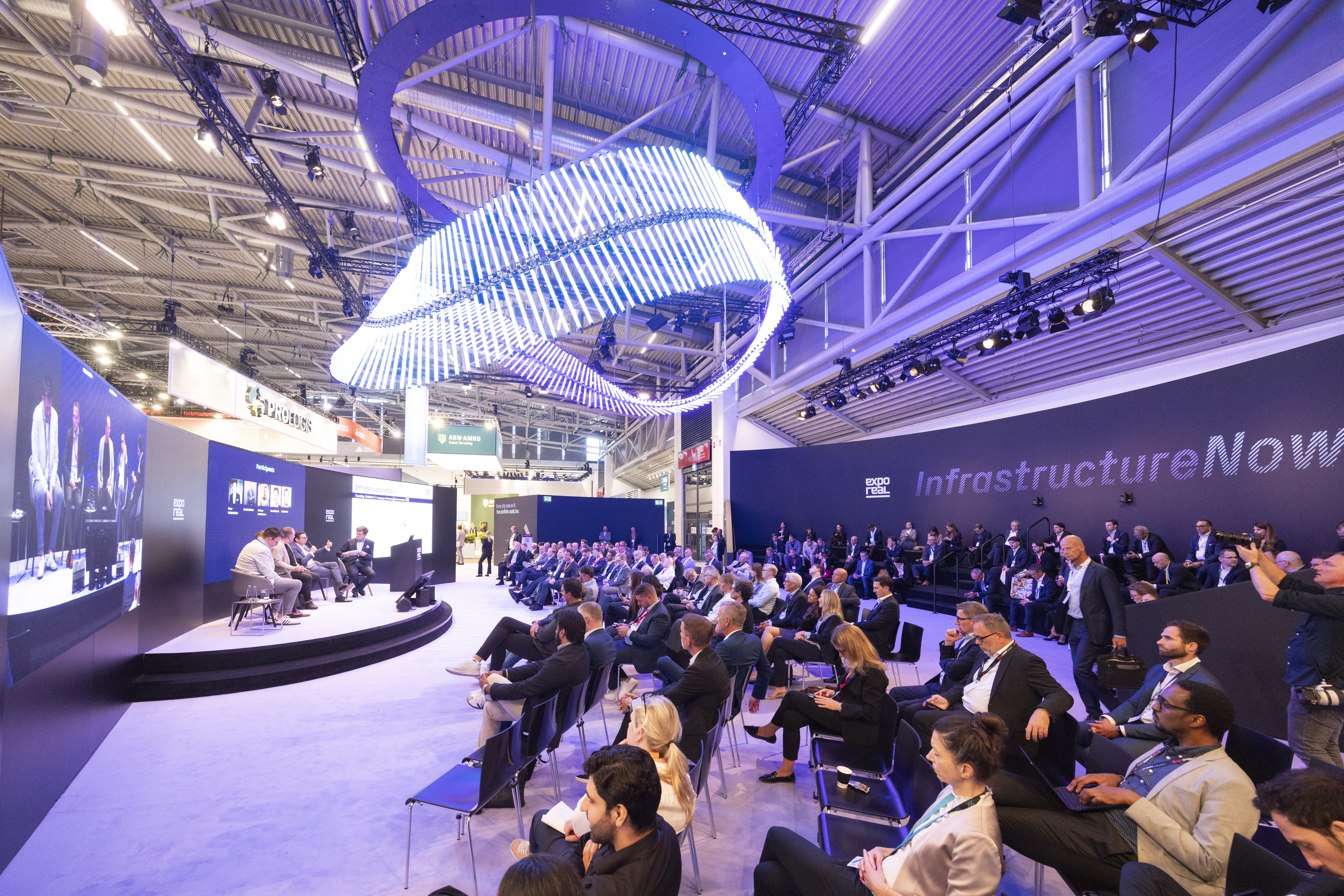
For the first time in the event’s history, investment infrastructure took centre stage with the launch of InfrastructureNow. This brand-new segment covered energy, digital, and social infrastructure, alongside defence — highlighting the close ties between real estate and wider infrastructure spend. The key takeaway was clear: asset value no longer lies just in the bricks and mortar, but in the infrastructure underpinning it — from supply networks right through to digital data.
Residential Housing and Policy Dialogue
Residential construction was high on the agenda, with discussions zeroing in on how to deliver more affordable homes despite high overheads. Key topics included:
• Extending and repurposing existing properties
• Modular and serial construction methods
• Maximising space efficiency
Figures from both the public and private sectors made it clear that there are no quick fixes here — tackling these challenges will take proper joint effort between industry leaders and policymakers.
International Investment and Innovation
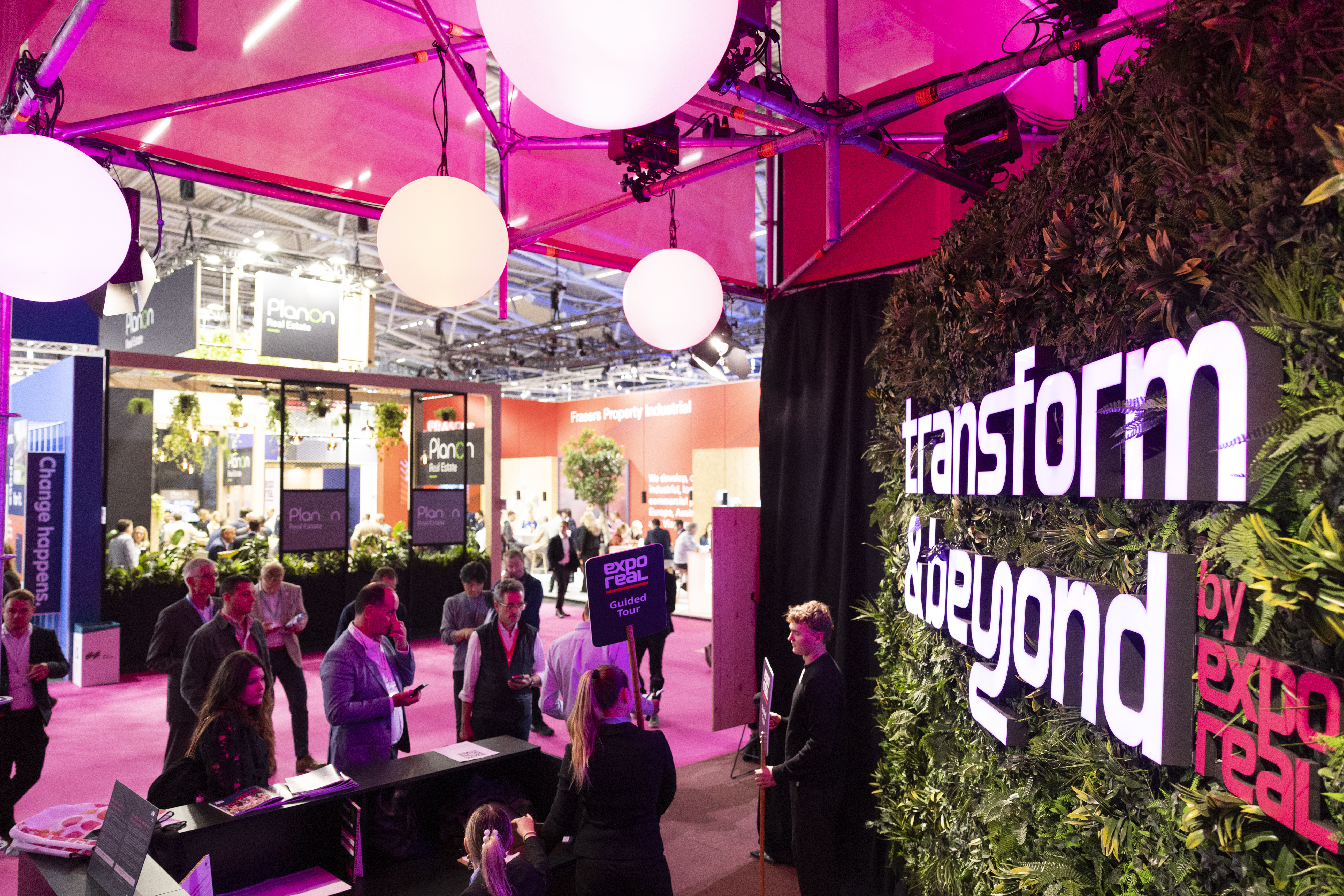
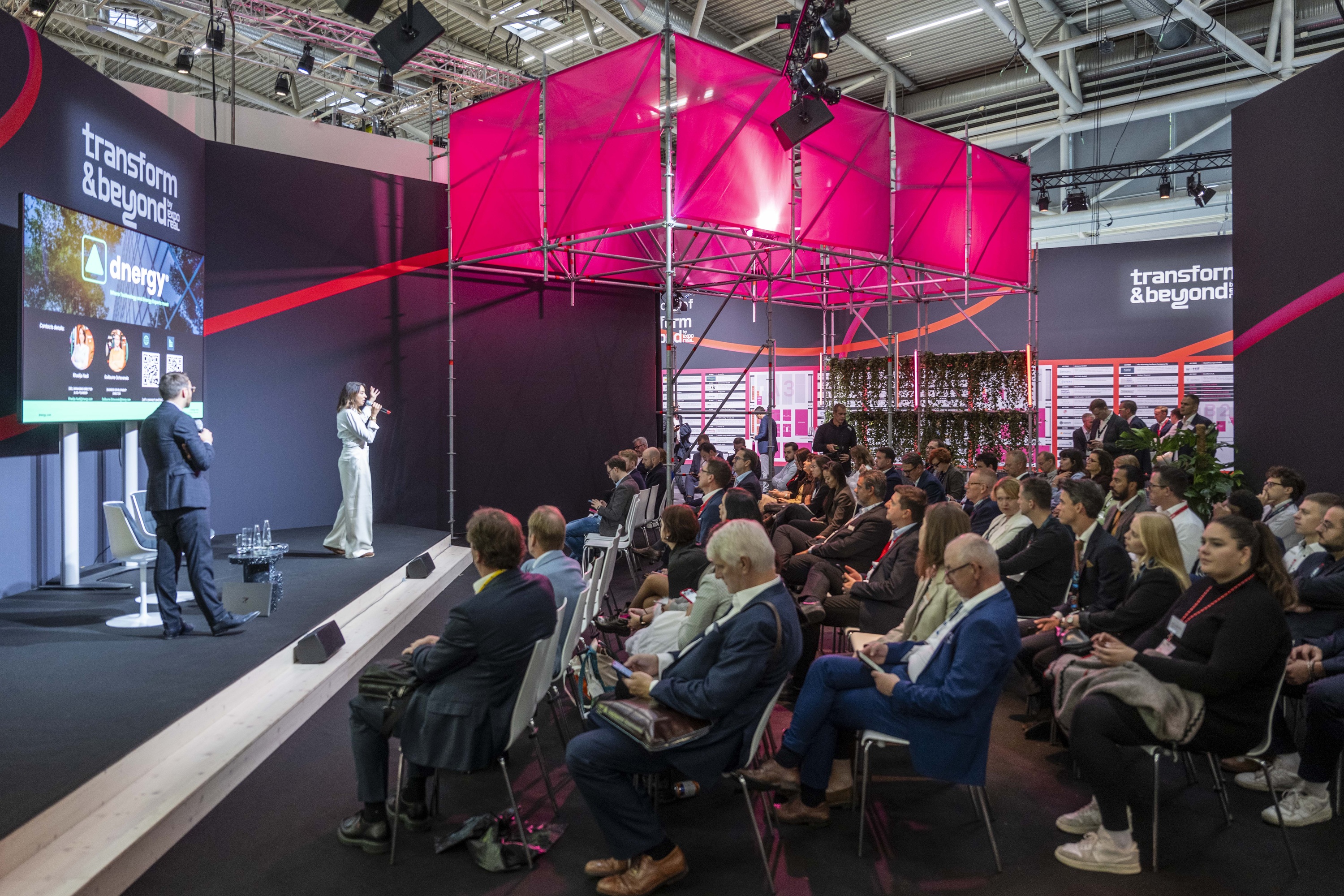
The trade fair cemented its reputation as a vital hub for raising capital, where face-to-face chats and relationship-building directly translate into firm business deals. Over in the Transform & Beyond zone, established firms and start-ups showcased tech-driven solutions for decarbonisation, digitalisation, AI, and energy supply.
The next EXPO REAL will take place in Munich from 4th to 6th October 2027.

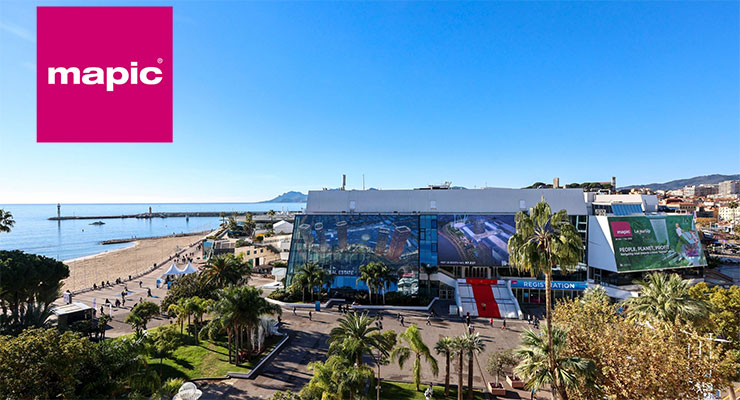
MAPIC 2026 Preview
1st October 2026.
Aleksandar Opsenica
Editorial in Chief
AG Real Estate
REBEC
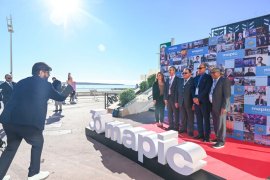
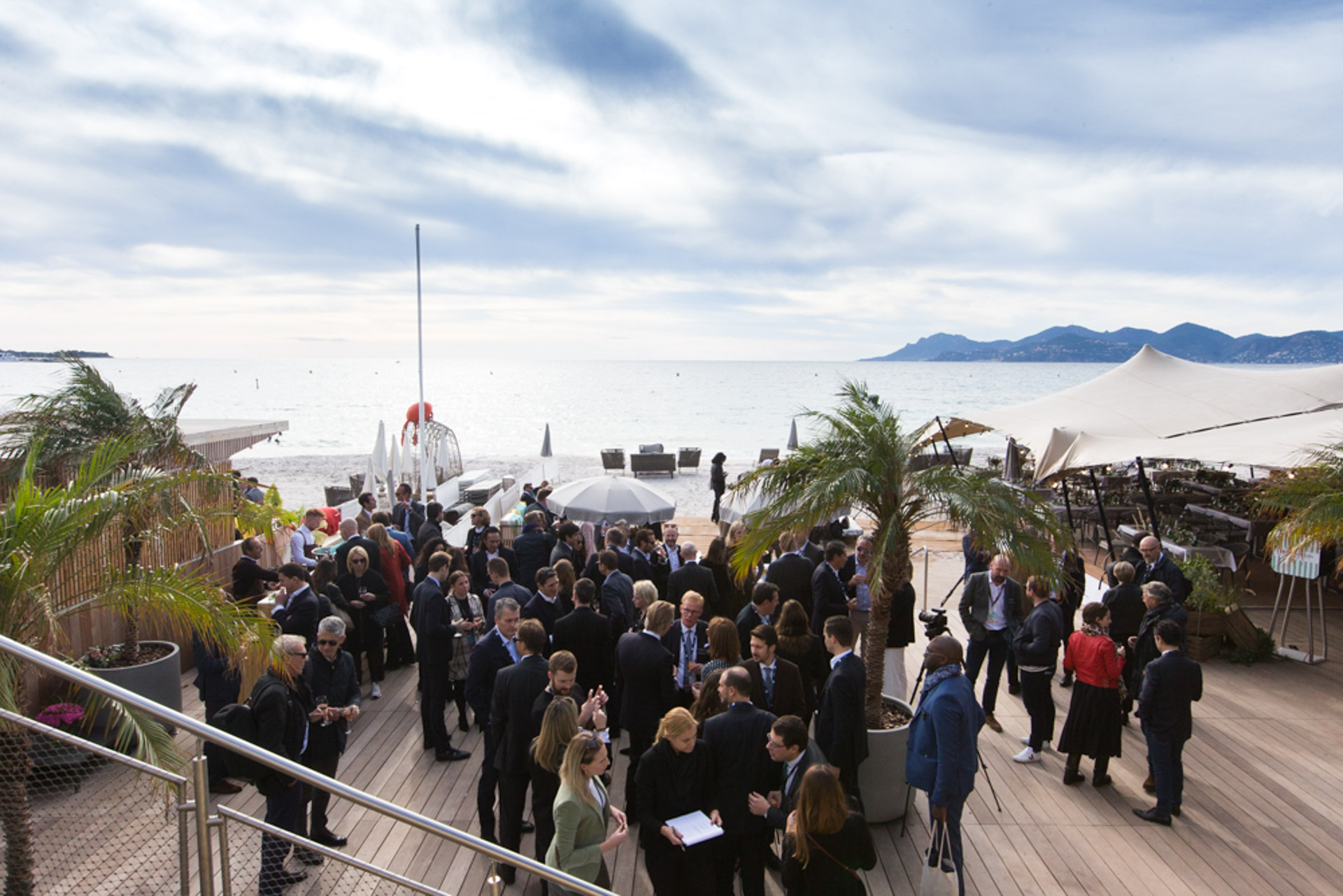
As the main global transactional hub for retail property players, MAPIC brings together over 4,000 business professionals, including 1,800 retailers, restaurant chains and leisure operators, and thousands of retail locations across the world.
The 31th edition of MAPIC will take place on November 3-4, 2026. The event addresses the evolving challenges of the retail property sector, offer focused business meetings and knowledge-sharing opportunities, and create meaningful connections in an all-inclusive and productive environment.
For the second year, we are focusing on cross-border retailers and fast-growing brands from Asia and the Americas looking to enter new markets, with a dedicated closed-door event for private networking.
An increasing international presence
Discover players from key territories thanks to geo-focused conferences sessions (LATAM, India, Middle East, South Africa...) and retail pitching sessions (Asia, Americas, Europe...). Meet new participants such as UNIFIED and join focused networking sessions with our DealMaker Tool.
Retail parks are growing fast
Retail parks are delivering outstanding performance across Europe. A dedicated Summit will bring together leading retail park stakeholders, both retailers and developers, to connect, exchange insights, and explore new growth opportunities.
All unmissable Events
Here are the key industry gatherings you simply cannot afford to miss:
• Outlet Networking Lunch
• Retail & Urban Regeneration Summit
• International Retailers Networking Event
• French Summit
• Leisure Networking Lunch
• Retail Parks Summit
See you at MAPIC 2026

Belgrade Rent Prices Could Increase by Another 10–20%
21st September 2026.
Aleksandar Opsenica
Editorial in Chief
AG Real Estate
REBEC
The apartment rental market in Belgrade is currently very unstable due to high demand and a low supply of quality apartments. The influx of foreigners, primarily from Russia, combined with the start of the academic year, has put heavy pressure on prices. Because of this, apartments are rented out extremely fast, requiring tenants to act immediately and put down a deposit if they want to secure a place.
Following a dramatic price surge in 2022 (when rents in certain parts of the city jumped by up to 100%) and a subsequent cooling period, prices are rising again in 2026 due to new global crises and conflicts.
The most sought-after and expensive areas in the city are:
• Novi Beograd (due to business centers)
• Dorcol and Vracar
• Areas near university faculties
Today, studio apartments on the outskirts are rarely found below €350 to €400, while decent apartments in better locations cost between €500 and €600.
Many students cannot afford expensive studio apartments, so they find other solutions. They settle on the outskirts and commute to their faculties daily by public transit. Additionally, roommate trends are returning, with students sharing larger or classic high-ceiling apartments. By sharing expenses, room rentals come out to around €200 per person.
Landlord Expectations and Future Outlook
Landlords have become significantly more cautious and carefully screen potential tenants. For employed renters, they often request references or a résumé (CV). On the other hand, they are willing to lower the rent by €50 to €100 if they find a reliable, long-term tenant.
Experts do not expect a dramatic price jump like the one in 2022, but they estimate that prices will rise by 10 to 20 percent in the coming period, as there are still not enough quality apartments at affordable prices on the market.



EXPO REAL 2026: Transform & Beyond shows where the real estate industry is headed
17th September 2026.
Aleksandar Opsenica
Editorial in Chief
AG Real Estate
REBEC
Artificial intelligence, smart buildings, and decarbonization are fundamentally transforming the real estate industry. Expo Real 2026 international trade fair for real estate, investment and infrastructure will bring together the key players in the real estate industry for the 28th time in Munich from October 5 to 7, 2026.
Artificial intelligence shapes the conference program
Artificial intelligence is also the main focus of the joint conference program for EXPO REAL and Transform & Beyond—along with data-driven innovations. The event will kick off on Monday, October 5, 2026, with a keynote and a panel discussion on AI, agent systems, and real estate valuation. Two panel discussions will show how technology and the real estate industry are already working together today: “Real-world examples of collaboration between startups and corporate” and “We are just getting started—(how) are innovation programs changing the real estate industry?”
The event is summarized in the following key aspects:
• Driver of change: It represents an ideal environment for PropTech companies, as it connects innovators with leaders who understand the need to transform the sector.
• Platform for discussion and collaboration: Enables the exchange of ideas about the functioning and sustainability of office buildings, making it an indispensable part of the business calendar in the German market.
• Innovation launch pad: Serves as a strategic platform for announcing the entry of new technologies into the non-residential market.
• Focus on digitization and data: As part of EXPO REAL, it attracts forward-thinking participants. In particular, the importance of reliable, structured data and artificial intelligence for further development and decision-making in the European real estate industry is highlighted.

Increase in the number of building permits in Serbia
11th September 2026.
Aleksandar Opsenica
Editorial in Chief
AG Real Estate
REBEC
In Serbia, 2,751 construction permits were issued in July this year, which is 8.6% more than in the same month of 2025, the Republic Statistical Office announced. Of the total number of permits, 83.6% refer to buildings, and 16.4% to other buildings.
82% of permits were issued for residential buildings, and 18% for non-residential buildings, while for other buildings, 73.6% related to pipelines, communication and electrical lines. The construction of 4,292 apartments was reported, with an average area of 71 square meters.
Out of the total number of apartments in new residential buildings, 10% of the apartments will be built in buildings with one apartment, with an average area of 136 square meters. 88.7% of apartments will be built in buildings with three or more apartments, with an average area of 62.8 square meters. The estimated value of the new construction works in July this year was 85.3% of the total estimated value of the works.
Most of the construction will be in the Belgrade region (35.5%), Zlatibor region (15.3%), Pirot region (7.1%), Srem region (5.7%) and Juznoba region (5.6%), while the share of other regions reaches 4.1%.
The construction of three towers between Gazela and the old railway bridge begins
5th September 2026.
Aleksandar Opsenica
Editorial in Chief
AG Real Estate
REBEC
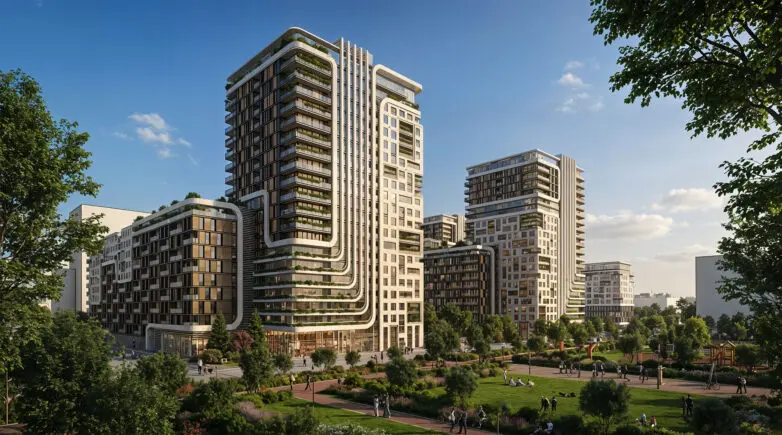
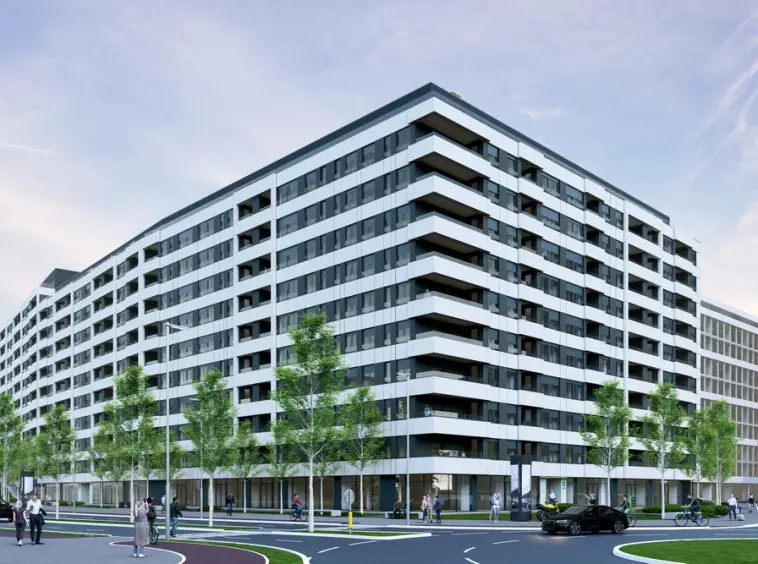
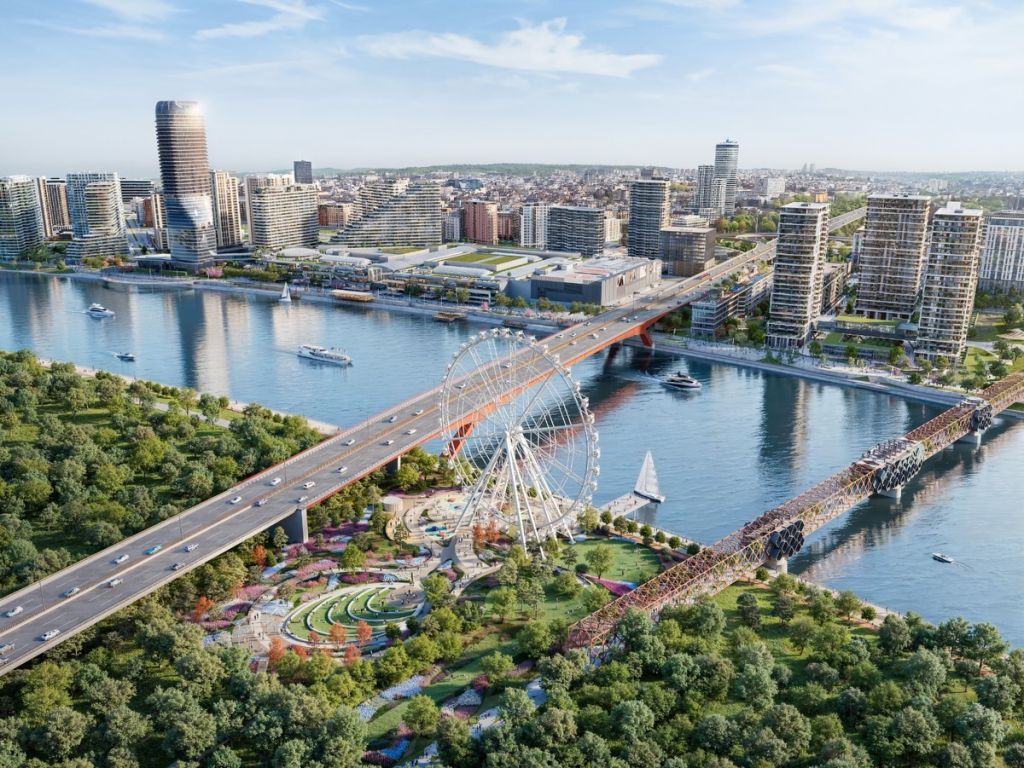
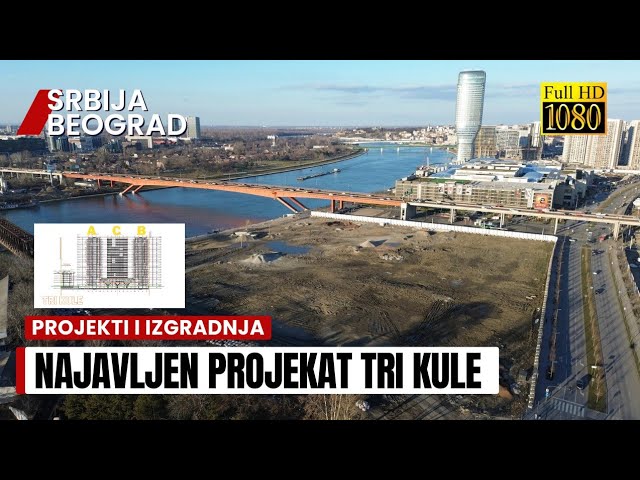
The first building permit was issued for the construction of residential and business complex in Block 27A as part of the Belgrade on Water project, for the first phase, which includes the excavation of the foundation pit and the driving of piles. It is about the location between Gazela and the Old Railway Bridge.
This is the first of a total of seven planned construction phases of the complex in Block 27A, known for the project of three high-rise towers - A, B and C, along with residential slats and other accompanying buildings.
According to the documentation, in the first phase, work will be carried out to secure the excavation of the foundation pit and concrete, while the construction of an underground garage, towers and other facilities of the complex is planned for the following phases.
The second phase includes the construction of an underground garage and building E, the third construction of tower C, the fourth building D and parts of the above-ground garage, the fifth tower B, the sixth tower A and the SPA annex between towers A and B, while the seventh phase includes buildings F, G, H, I and J and the remaining part of the above-ground garage with business.
Three towers with 25 floors each
According to the amended location conditions, the complex will have a total of 893 apartments. Towers A and B are designed as P+M+25 storey buildings, while tower C will have P+25. This means that all three towers were lowered compared to the original solution: towers A and B were lowered from P+M+27 to P+M+25, and tower C from P+27 to P+25.
At the same time, the structure of the apartments was changed. Tower A will have 199 apartments, as will tower B, while the number of apartments in tower C has been increased from the originally planned 184 to 199. Along with the towers, two slats are also planned - D with 147 and E with 149 apartments. The total gross built-up area without the above-ground garage is 155,711.58 m˛.
A total of 1,246 parking spaces for passenger cars are planned - 968 in the underground and 278 in the above-ground garage, as well as 24 spaces for motorcycles. 59 places are planned for electric vehicles. The maximum height of the towers is 100 meters.
The investor undertook to resolve the property legal relations before issuing the use permit. Along with the request for a construction permit, a statement from Belgrade on the Water was submitted that the property-legal relations on this plot will be resolved before obtaining the use permit. For the rest of the parcels that are publicly owned by the Republic of Serbia, the documentation states that Belgrade on the Water has the right to lease construction land for 99 years.


Evolution of the housing market in Serbia
20th August 2026.
Aleksandar Opsenica
Editorial in Chief
AG Real Estate
REBEC
The real estate market in Serbia is entering a phase where it is no longer enough to monitor only the price per square meter. Apartments are getting more expensive, but at the same time, the number of sales contracts is decreasing, the good offer is getting narrower, and buyers are turning to smaller apartments, business premises, garages, and even houses far from the center of big cities. Behind the average prices, therefore, a much deeper change is hidden: while for some citizens, buying a first apartment has become almost unattainable without a loan, on the other side of the market there are buyers who already have several properties and continue to invest.
According to data, the value of the real estate market in Serbia in the first half of 2026 reached 4.2 billion euros, while the most expensive square meter apartment in Belgrade, in the territory of the Old Town municipality, was sold for 12,000 euros. At the same time, business premises record an increase in value, garages in certain locations reach amounts that can be used to buy smaller real estate in other parts of Serbia, and studios and small apartments are becoming one of the most sought-after categories.
Small apartments are the first to leave the market
The situation also affects what investors build. Investors mostly build smaller apartments because the ratio of the total price and the number of potential buyers is the most favorable for them. A studio, one-and-a-half-bedroom or smaller two-bedroom apartment can be the first apartment of a young person or couple, but at the same time an investment intended for renting out, so the circle of potential buyers is much wider. Despite the rise in prices and the increasingly difficult availability of apartments, she does not see that citizens have given up on real estate as a way of saving capital.
Serbian citizens continue to invest the most in real estate. Weaker in the stock market and maybe in gold. Education is insufficient and there is not enough information on how to invest some free funds.
Any property that has garage spaces will be sold
While the location, square footage and price are still crucial for apartments and business premises, another criterion has become almost unavoidable - parking. The lack of space, especially in the busiest parts of Belgrade, raised the value of garages, but at the same time gave a great advantage to apartments and business premises that have them.
How valuable parking has become is best shown by the amounts obtained for garage spaces in Belgrade. The most expensive garage space was sold for 77,000 euros, while about two years ago, one in the Old Town reached as much as 90,000 euros.
MIPIM expands across Cannes
1st August 2026.
Aleksandar Opsenica
Editorial in Chief
AG Real Estate
REBEC
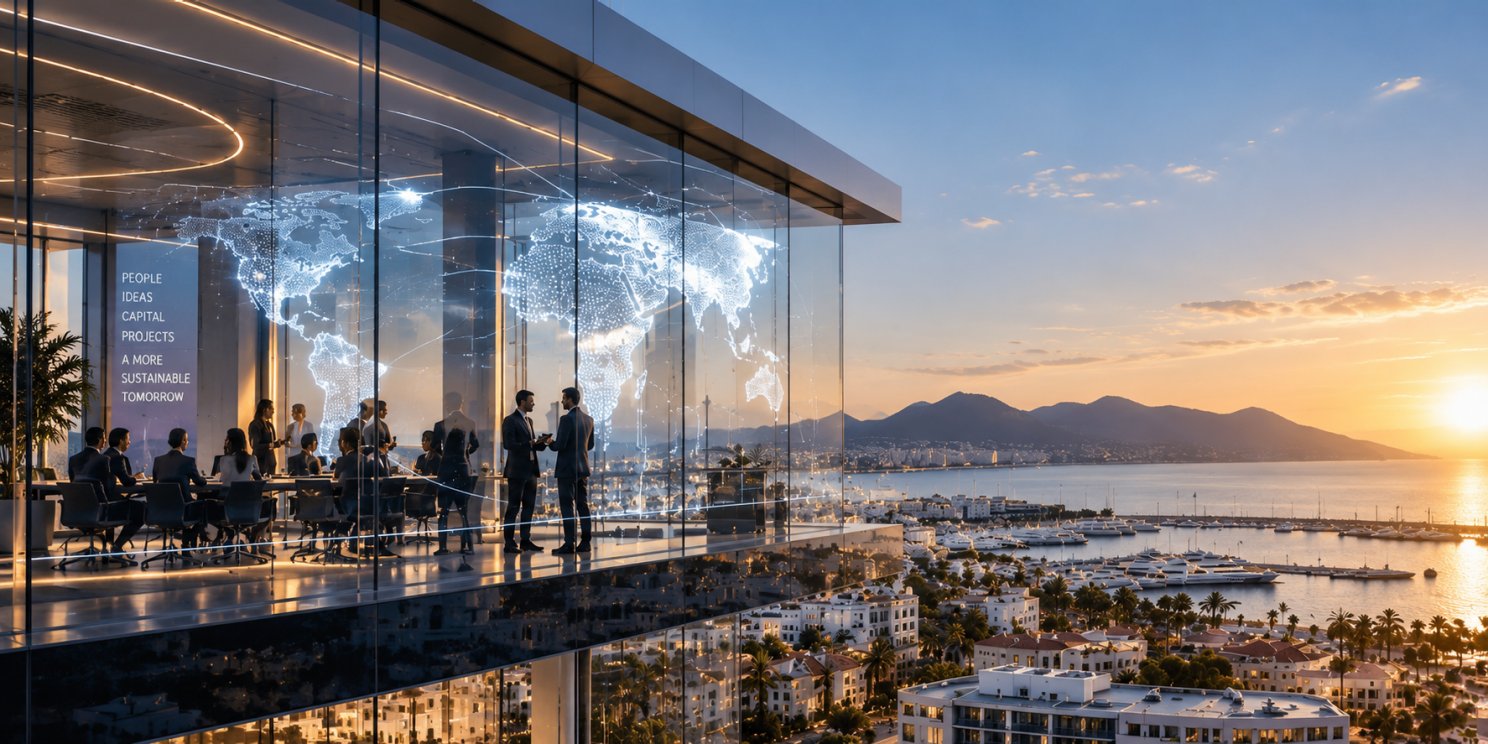
In 2027, MIPIM brings greater focus to the topics shaping real estate today, with a programme designed to reflect the changing priorities of the global market.
As housing becomes increasingly central to investment strategies and urban development, Housing Matters! moves to the heart of MIPIM, becoming fully integrated into the main programme and opening the event on Tuesday morning, 16 March.
Across 4 Main Stages, 7 Pavilion Deep Dives and dedicated Summits, the programme will explore the major shifts reshaping investment and the built environment, from resilience and geostrategy to AI-ready infrastructure, technology and emerging asset classes.
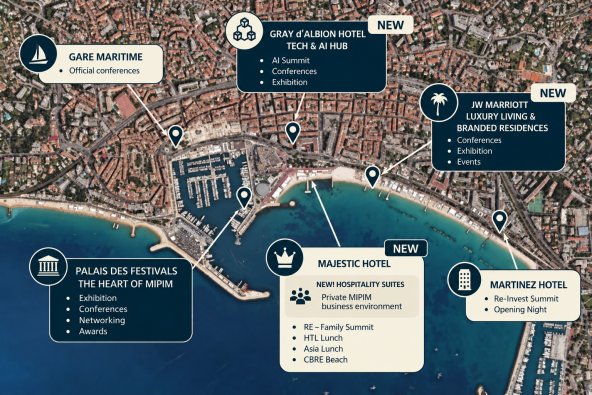
In 2027, MIPIM opens new destinations across Cannes, creating more ways to connect, discover and do business. The Palais des Festivals remains the heart of MIPIM. Around it, new destinations in some of Cannes’ most iconic venues will bring together dedicated communities, content and business opportunities around high-potential sectors. Among the new destinations for 2027: the Tech & AI Hub at the Gray d’Albion Hotel and Luxury Living & Branded Residences at the JW Marriott Beach.
A city of opportunities
MIPIM 2027 will mark a new chapter for the global urban festival as it expands across Cannes, introducing new official destinations alongside its established home at the Palais des Festivals. From data centres to tech and AI, new stages and forums in Cannes itself will be fully integrated into the MIPIM programme, reflecting the investment themes shaping tomorrow’s market.
Each destination will bring together exhibition space, content, networking and events in venues reserved for registered MIPIM delegates.
NEW - Tech & AI Hub Gray d’Albion Hotel
A new destination connecting the global real estate community with the technologies and innovators transforming investment, asset management and occupier experience.
Explore AI, smart buildings, digital infrastructure, data & analytics and workplace innovation through conferences, exhibition, live demonstrations and networking.
NEW - Luxury Living & Branded Residences JW Marriott Beach
A dedicated destination for one of the fastest-growing communities in global real estate.
Bringing together developers, investors, luxury brands, family offices and advisors, it will explore luxury residential, branded residences, lifestyle destinations and hospitality-led real estate

.jpg)
Croatia's Tokic bets big on 40,000 m2 automated Zagreb hub
10th July 2026.
Aleksandar Opsenica
Editorial in Chief
AG Real Estate
REBEC
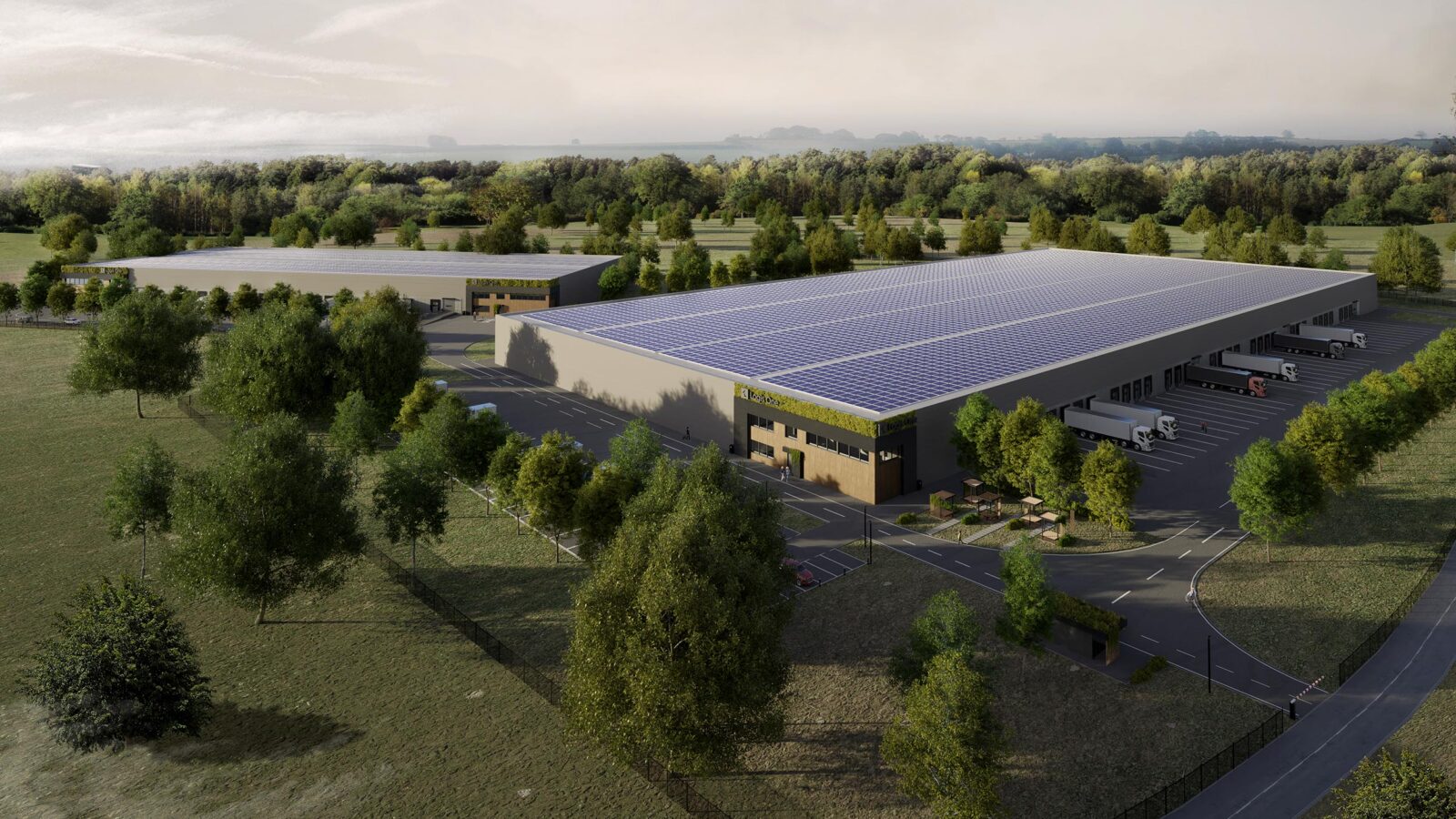
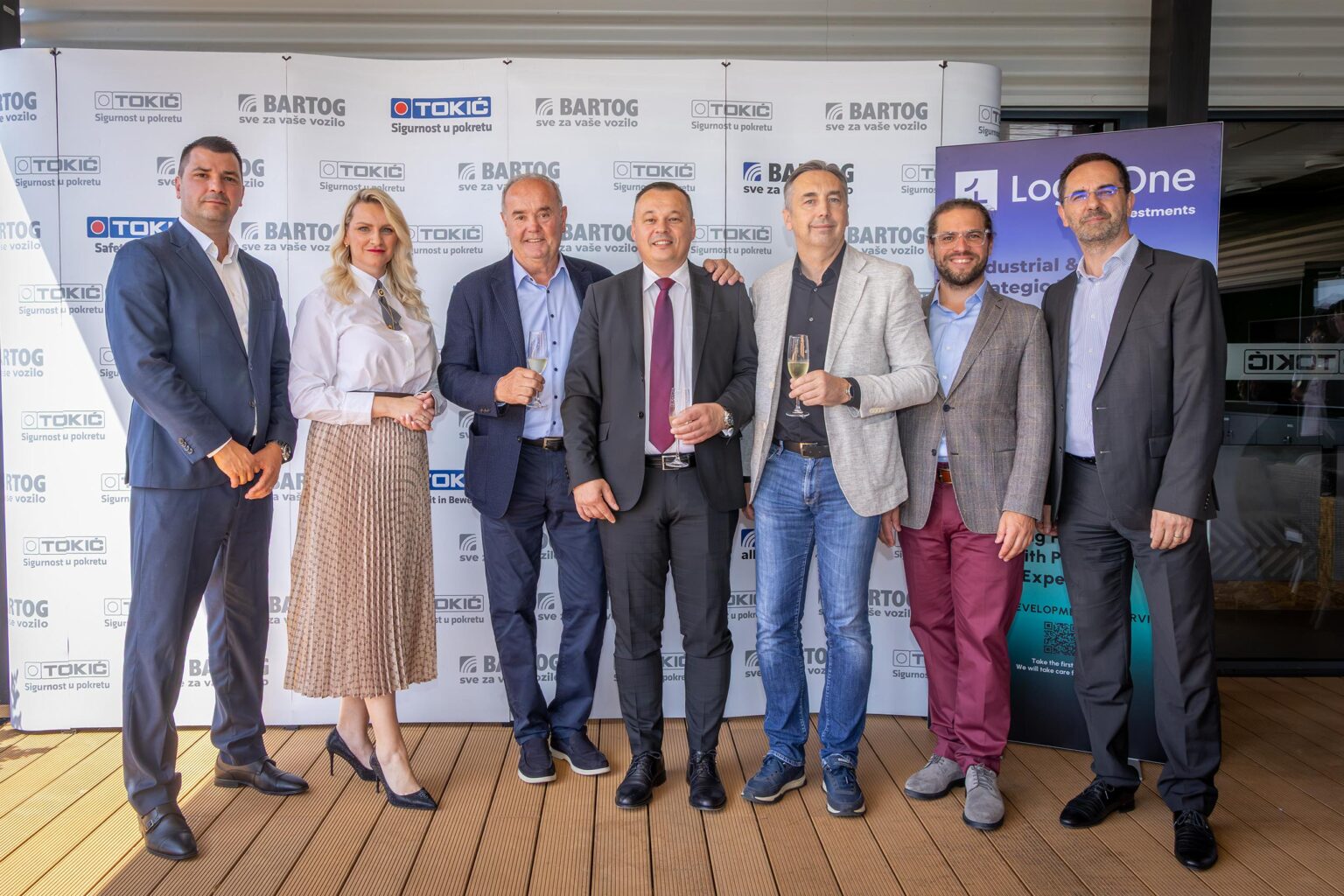
Logis Helena d.o.o. and Tokic d.d., Croatia's distributor of automotive parts and tyres, have signed a long-term lease agreement for an automated logistics and distribution centre in the Sveta Helena Business Zone, near Zagreb.
The lease agreement, signed on 7 July 2026, covers approximately 40,000 sqm of logistics space and has a 15-year term. The facility is scheduled to become operational in 2027, following the completion of fit-out works and installation of automated warehouse technologies.
The project is being developed by Logis Helena d.o.o., a member of the Logis One logistics platform of IAD Investments, in cooperation with its Croatian development partner Promat Projekti d.o.o. The development has been designed to support warehouse automation, artificial intelligence applications and warehouse management systems.
The transaction represents one of the larger logistics leasing deals concluded in Croatia in 2026 and confirms the demand for Grade A logistics space in the Zagreb metropolitan area.
EECFA: Eastern European construction growth desynchronises from Southeast Europe
19th June 2026.
Aleksandar Opsenica
Editorial in Chief
AG Real Estate
REBEC
The Eastern European construction market is facing a cooling period of "little less optimism", while Southeast Europe shows signs of stabilizing with a "little less pessimism", according to the Eastern European Construction Forecasting Association (EECFA) 2026 Summer Construction Forecast released on 22 June 2026. Despite the shifting sentiment, both regions are projected to sustain the record-high output levels achieved in 2025 through to 2028.
Southeast European construction markets up to 2028
Bulgaria entered this year as the 21st eurozone member amid political turbulence that impacted construction, most notably projects relying on public funding. "Last year Bulgaria's construction sector performed strongly, largely thanks to the residential and non-residential submarkets. In 2026-2028, however, the country's total construction output could see a heterogeneous performance," says Yasen Georgiev at Economic Policy Institute (EPI), EECFA's Bulgarian member institute, who anticipates output to grow by about 2% on average in 2026-2028.
Serbia's overall construction output is still consolidating in 2026, led by the correction in civil engineering, while buildings continue to grow. Residential remains stable with moderate growth, while non-residential is driven by investments related to EXPO 2027, with double-digit growth expected in 2026. Office, commercial and hotel segments benefit, and health-related construction is breaking records. The civil engineering consolidation is anticipated to end in 2027, with new growth in 2028 as large-scale infrastructure projects launch a next growth cycle. Slovenia's construction output held at just under €6 billion in 2024 and 2025 but is set to edge higher, supported mainly by public spending. Residential remains constrained by limited supply and rising costs, while offices, retail and industry face cautious investors. Publicly financed segments such as education, health and civil engineering renovation provide stability.
Eastern European construction markets up to 2028
The worsening outlook in Russia, predicted to register the biggest decline, has deteriorated the region's prospects. Yet EECFA still thinks Türkiye could get close to its 2018 peak, while Ukraine's current trajectory is a recovery rather than a post-war boom. The downward trend in Russia's construction market, which began in 2025, is likely to intensify in 2026-2027. The main reason is a decelerating economy and prolonged high interest rates, which limit financing and investment. Residential is under the strongest pressure amid reduced mortgage availability and declining demand. Civil engineering will likely stay the most resilient subsector due to major transport and energy projects, and the market could return to a growth trajectory in 2028.
In Türkiye, state involvement in housing development has grown in recent years. Policies to curb inflation have depressed disposable income, creating a housing affordability issue as prices and rents have spiked. The government has intervened, launching residential projects affordable to households not owning a house, built by the Housing Development Administration (HDA). Since HDA has also rebuilt about 550,000 dwellings damaged in the February 2023 quake, the share of public-sector housing has risen, while the private sector's share has declined from about 90%. The forecast indicates total construction output in Türkiye may reach TL 5 trillion (€93 billion) in 2028, at 2025 prices."
Ukraine's construction market showed resilience in 2025 despite the ongoing war. While it nominally returned to pre-war levels last year, it was still 40% below the 2021 output at comparable prices. Key growth drivers were commercial, industrial, warehouse and logistics developments, residential construction in safer regions, and projects to restore public and transport infrastructure. In the coming years, the market is expected to grow, supported by reconstruction needs, government housing programmes and international funding. The future performance will largely depend on the security situation, investment resources, labour shortages and the effectiveness of government reconstruction policies.
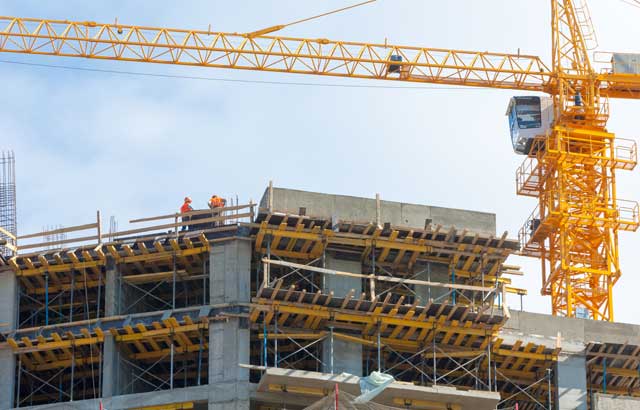
EECFA: Eastern European construction growth desynchronises from Southeast Europe
19th June 2026.
Aleksandar Opsenica
Editorial in Chief
AG Real Estate
REBEC
The Eastern European construction market is facing a cooling period of "little less optimism", while Southeast Europe shows signs of stabilizing with a "little less pessimism", according to the Eastern European Construction Forecasting Association (EECFA) 2026 Summer Construction Forecast released on 22 June 2026. Despite the shifting sentiment, both regions are projected to sustain the record-high output levels achieved in 2025 through to 2028.
Southeast European construction markets up to 2028
Bulgaria entered this year as the 21st eurozone member amid political turbulence that impacted construction, most notably projects relying on public funding. "Last year Bulgaria's construction sector performed strongly, largely thanks to the residential and non-residential submarkets. In 2026-2028, however, the country's total construction output could see a heterogeneous performance," says Yasen Georgiev at Economic Policy Institute (EPI), EECFA's Bulgarian member institute, who anticipates output to grow by about 2% on average in 2026-2028.
Serbia's overall construction output is still consolidating in 2026, led by the correction in civil engineering, while buildings continue to grow. Residential remains stable with moderate growth, while non-residential is driven by investments related to EXPO 2027, with double-digit growth expected in 2026. Office, commercial and hotel segments benefit, and health-related construction is breaking records. The civil engineering consolidation is anticipated to end in 2027, with new growth in 2028 as large-scale infrastructure projects launch a next growth cycle. Slovenia's construction output held at just under €6 billion in 2024 and 2025 but is set to edge higher, supported mainly by public spending. Residential remains constrained by limited supply and rising costs, while offices, retail and industry face cautious investors. Publicly financed segments such as education, health and civil engineering renovation provide stability.
Eastern European construction markets up to 2028
The worsening outlook in Russia, predicted to register the biggest decline, has deteriorated the region's prospects. Yet EECFA still thinks Türkiye could get close to its 2018 peak, while Ukraine's current trajectory is a recovery rather than a post-war boom. The downward trend in Russia's construction market, which began in 2025, is likely to intensify in 2026-2027. The main reason is a decelerating economy and prolonged high interest rates, which limit financing and investment. Residential is under the strongest pressure amid reduced mortgage availability and declining demand. Civil engineering will likely stay the most resilient subsector due to major transport and energy projects, and the market could return to a growth trajectory in 2028.
In Türkiye, state involvement in housing development has grown in recent years. Policies to curb inflation have depressed disposable income, creating a housing affordability issue as prices and rents have spiked. The government has intervened, launching residential projects affordable to households not owning a house, built by the Housing Development Administration (HDA). Since HDA has also rebuilt about 550,000 dwellings damaged in the February 2023 quake, the share of public-sector housing has risen, while the private sector's share has declined from about 90%. The forecast indicates total construction output in Türkiye may reach TL 5 trillion (€93 billion) in 2028, at 2025 prices."
Ukraine's construction market showed resilience in 2025 despite the ongoing war. While it nominally returned to pre-war levels last year, it was still 40% below the 2021 output at comparable prices. Key growth drivers were commercial, industrial, warehouse and logistics developments, residential construction in safer regions, and projects to restore public and transport infrastructure. In the coming years, the market is expected to grow, supported by reconstruction needs, government housing programmes and international funding. The future performance will largely depend on the security situation, investment resources, labour shortages and the effectiveness of government reconstruction policies.
Participants of the REBEC 2026 event
31st May 2026.
Aleksandar Opsenica
Editorial in Chief
AG Real Estate
REBEC
REBEC participants are representatives of the following companies and associations:
Bogl Architects, Purcell Design, Stonedge, Corwin, Infinity Capital Advisors, MPC Properties, Avalon Real Estate, Delta Real Estate, Accor, Hyatt International,
Wyndham hotels, PKF Hospitality Group,W Hospitality, Hilton Belgrade, Win Advisors, Hosplace - Hotel Asset Management, OKOL Lake Park, Minor hotels, Leva Hotels,
Ecovis SEE, EXPO2027, alfa real estate, Erste Bank Novi Sad A.D, OTP Bank, Optim Project Management, New Work, workcloud24, Leko Architects, Walvius Partners, JYSK,
IO Partners, CBRE SEE, B Devet, Wolf Theiss in cooperation with the law firm Miroslav Stojanovic,law firm Petrovic, Hamlins LLP, NBG Group, comlexRE, We Share Space,
Tenderly, Trivera Energy, Lidl Serbia, Omega properties, Marsh, HT Agencija, GP Gradjevinar, United Master Architects, Geotechnical Consulting Group,
Association of Data Centers of Serbia, Tele Grupa, Leva hotels,dr. Max, Red management d.o.o, ENEL PS DOO,
representatives of the Faculty of Civil Engineering and the Faculty of Economics of the University of Belgrade,
as well as many others.


REBEC 2026 bringing together regional and global elite in Belgrade – Nineteenth edition under the slogan “United Differences”
18th May 2026.
Aleksandar Opsenica
Editorial in Chief
AG Real Estate
REBEC
The capital of Serbia will once again be transformed by REBEC (Real Estate Belgrade Exhibition & Conference), which will be held for the 19th time this year, at the Radisson Collection Stari Mlin Hotel. Under the umbrella slogan “United Differences”, this leading specialized event in South Eastern Europe (SEE) will bring together leading investors, developers, lawyers, bankers, architects, consultants and decision-makers to map the next phase of the real estate market development.
Through credibility built over 18 years, REBEC has brought to the domestic and regional market topics that at that time seemed like a distant future - from the first story about modern shopping centers and retail parks, through the introduction of the first green certificates, active support for regulating the valuation market and the brokerage market, to today’s expansion of luxury Branded Residences concepts.
REBEC platform for dialogue and partnerships
This year’s REBEC focuses on tectonic shifts in the industry – from the redefinition of traditional workspaces and the integration of advanced ESG strategies, to the expansion of luxury and longevity concepts in housing and hospitality.
REBEC has a unique ability to bring together stakeholders from seemingly disparate worlds. The slogan “United Differences” perfectly captures this mission. While tackling difficult infrastructure and energy issues on the one hand, global hotel titans, regional developer leaders and leading consultants will be setting standards for long-term property sustainability on the other. Whether it’s a renaissance of office space or a new era of humane housing that focuses on improving the quality of life for residents, REBEC remains the place where green theory is translated into operational ROI.
A new energy challenge
This year, true to its tradition of visionary market mapping, REBEC opens a topic that represents the greatest infrastructure and investment challenge of the decade: the balance between critical energy sustainability and the explosive growth of Data Centers.
The latest escalation of the Iran crisis has once again pushed energy stability into the spotlight of the global economy. Fluctuations in energy prices and uncertainty in their distribution occur in parallel with the unstoppable continuous rise of artificial intelligence (AI) development and mass digitalization, which is why Southeastern Europe is rapidly becoming a magnet for investments in Data Centers.
These facilities are extreme consumers of electricity and cooling resources. REBEC 2026 poses a critical question for investors and decision-makers: how to develop these “digital fortresses” in conditions of global energy instability and without endangering local systems? Through exclusive discussions, answers will be sought in the implementation of advanced solutions - from direct connection to renewable energy sources (RES) and energy storage, to the application of data science in consumption optimization.
From energy to luxury hospitality
Here are some key topics that will mark this year’s program:
• The traditional office is no longer just a place to work, but a tool for corporate culture and innovation. This panel will dissect the phenomenon of “growth towards quality.” Experts will discuss how existing facilities are adapting to new environmental standards, how co-working and flexible spaces are integrated into traditional portfolios, and what exactly the IT and tech sector requires of its physical headquarters today;
• The luxury real estate market in the SEE region is undergoing a transformation thanks to the entry of global brands. The discussion will focus on the synergy between top-notch hospitality and residential units. How global giants are bringing international management standards to our region and how professional asset management ensures long-term returns and preservation of premium value of such investments;
• Sustainability has ceased to be a legal obligation and has become a key factor in the longevity of assets. The panel will address the issue of how to successfully implement ESG strategies in the real estate sector, how technical innovations extend the life cycle of buildings and how investments in “green architecture” are transformed into real ROI;
• Real estate buyers are no longer just buying square meters and a location - they are buying time, health and well-being. This panel deals with a new paradigm of humane housing: from the installation of advanced air purification systems and circadian lighting (Longevity Housing), through social sustainability and creating communities within buildings, to technology that serves to make the daily lives of residents easier.
REBEC 2026 once again confirms its role as the “spiritus movens” of the regional real estate industry. In addition to highly professional panels, the specialized event also brings exclusive opportunities for networking, B2B meetings and connecting the public and private sectors, with the participation of delegates from the most important public and private institutions from Serbia and the region. Secure your place on time.
The complete program, information on registration fees and the list of confirmed speakers are available on the official conference website www.rebec.rs.

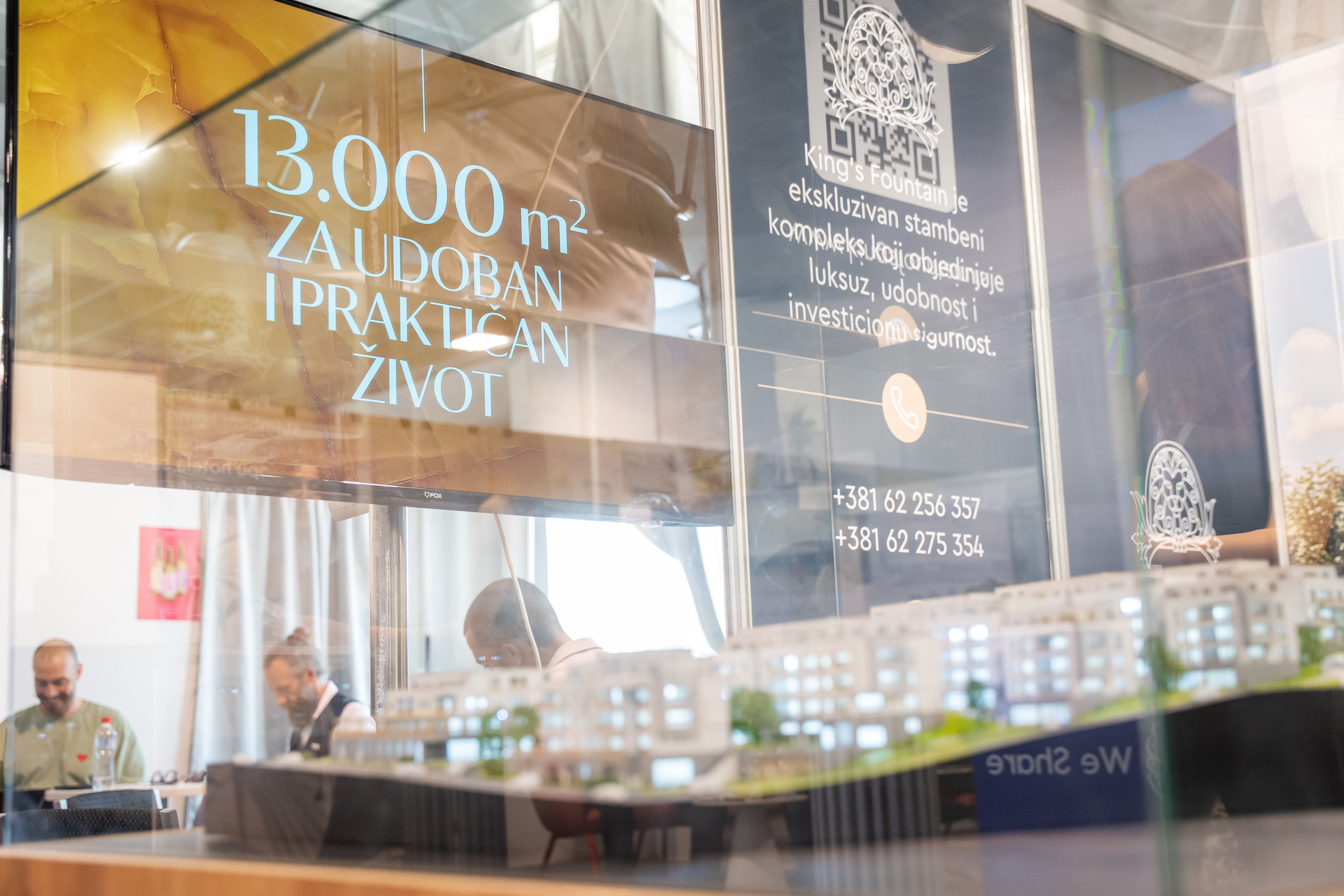
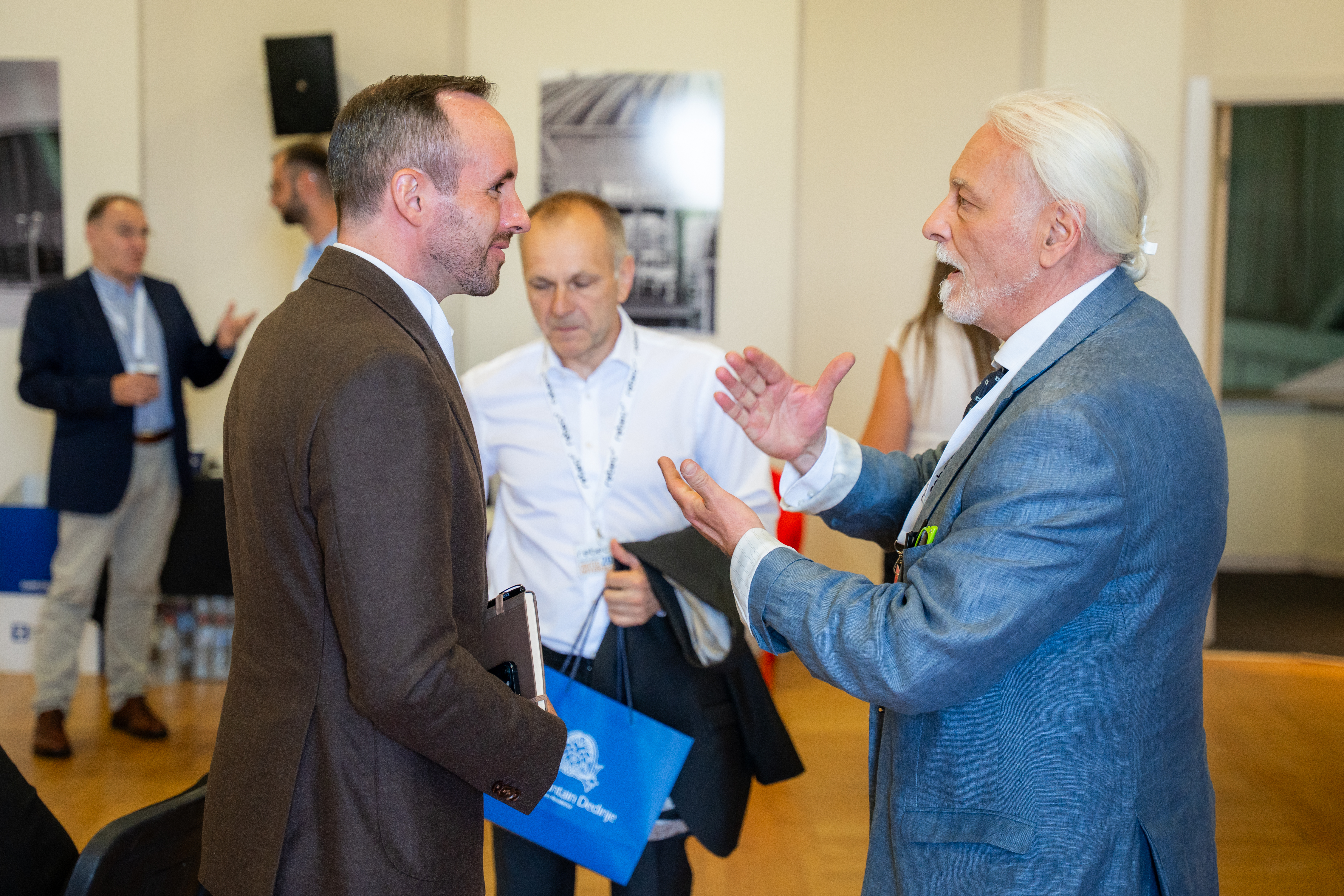
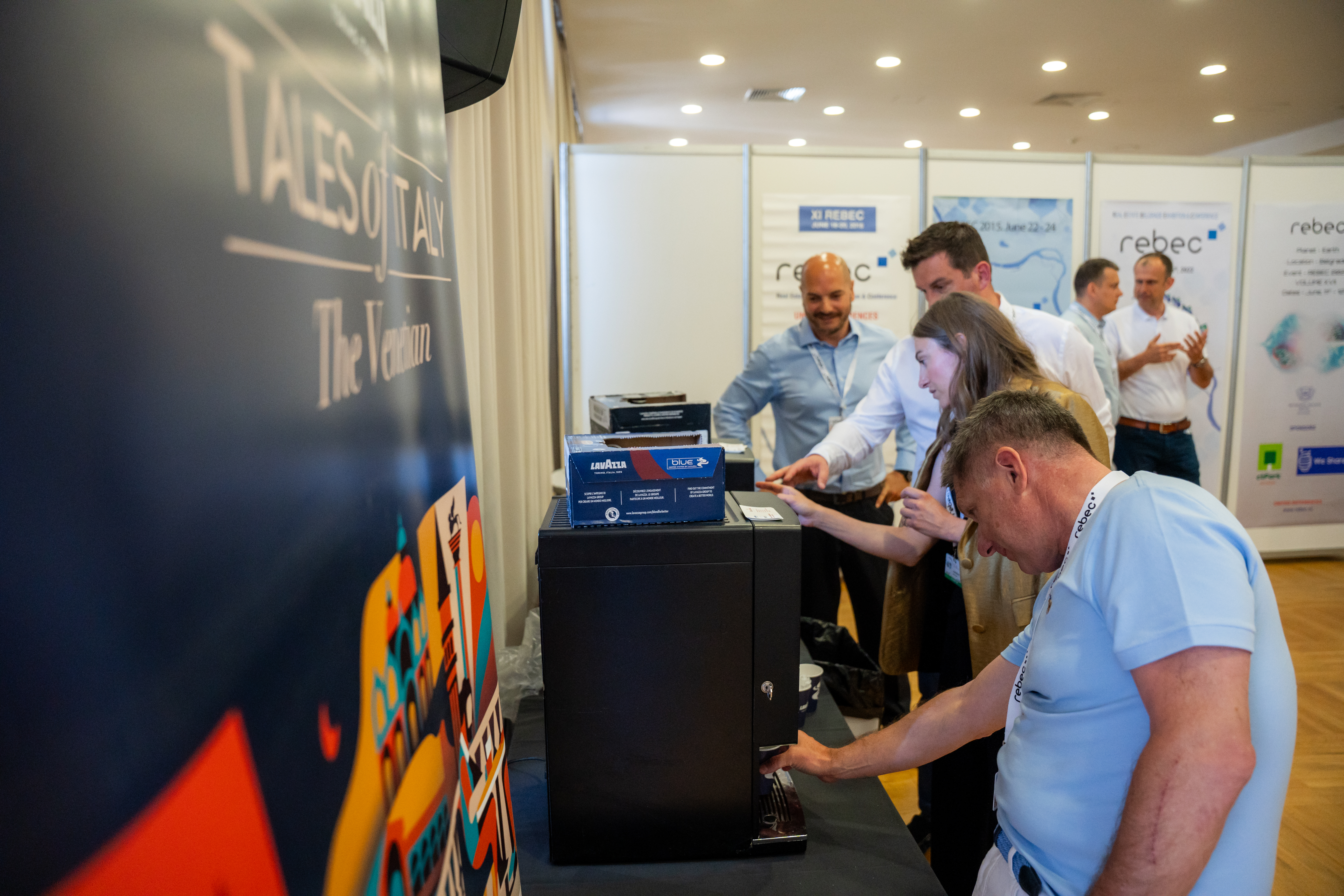
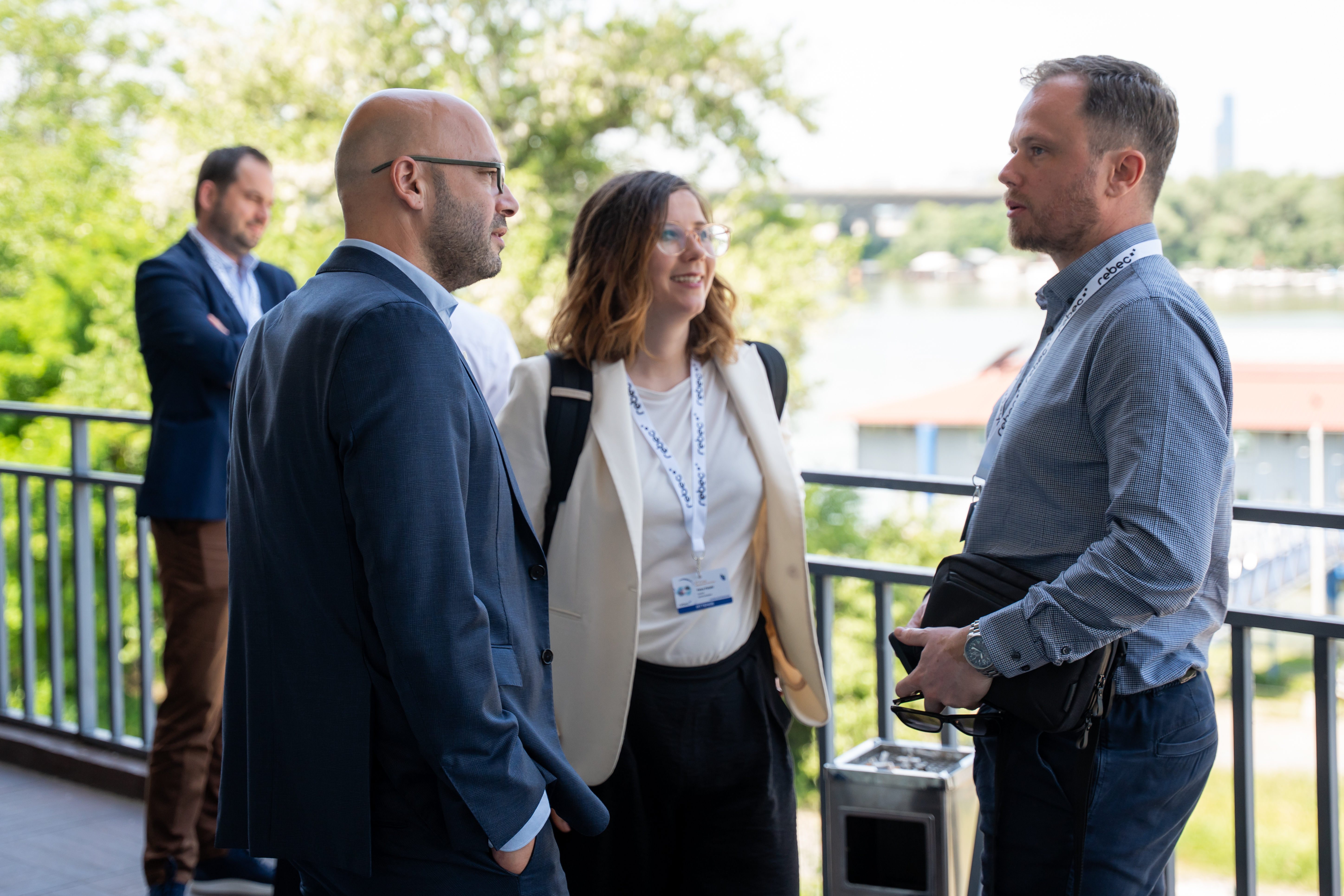
The city that changes - addresses that remain
15th May 2026.
Aleksandar Opsenica
Editorial in Chief
AG Real Estate
REBEC
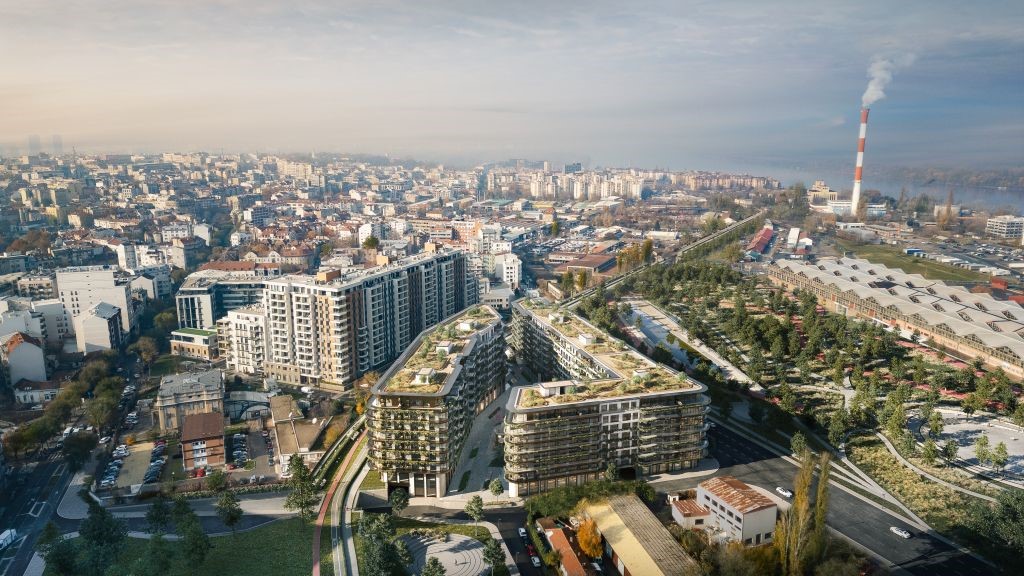
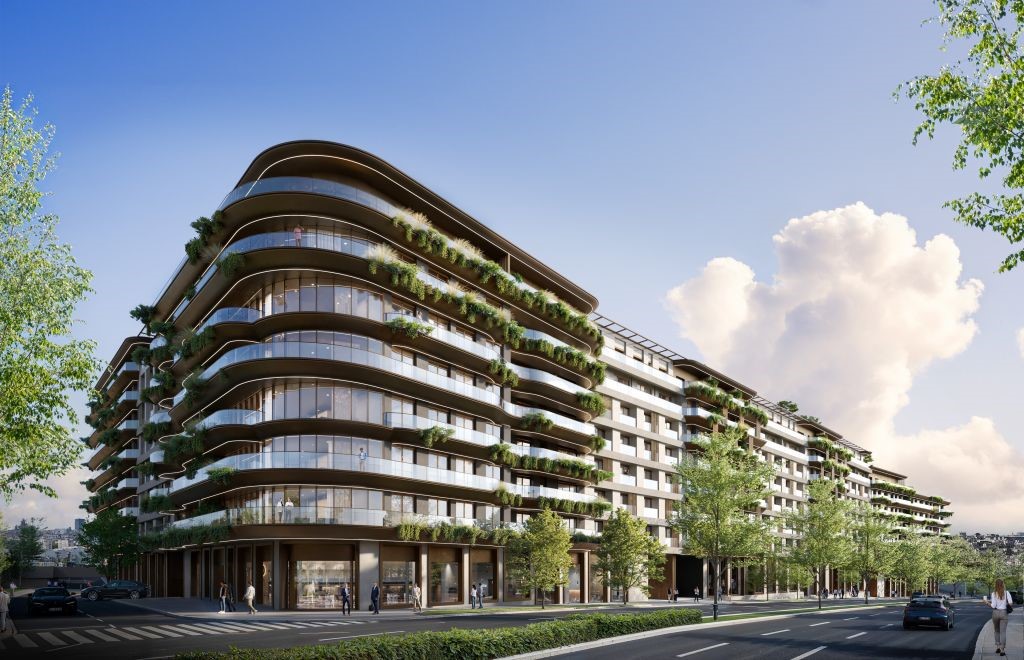
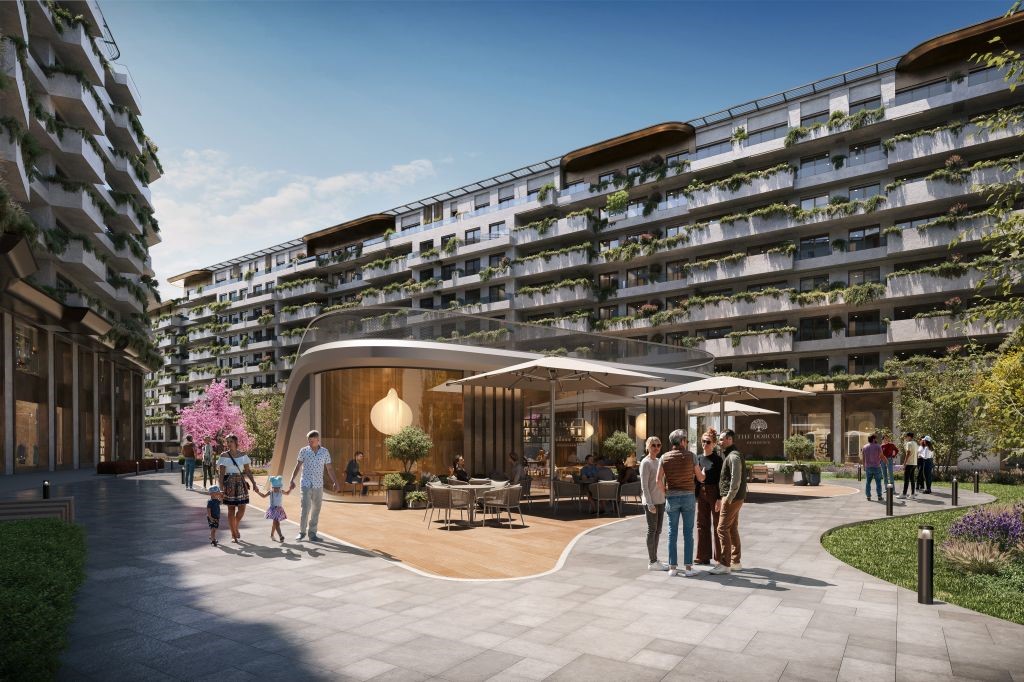
The Dorcol Residence confirms its position as one of the most sought-after addresses in Belgrade. As Dorcol has been developing more and more intensively in recent years, this part of the city is getting clearer and clearer outlines of a modern urban entity. In this context, The Dorcol Residence project has entered a new phase of development, opening the sale of apartments that meet the new expectations of buyers.
The residential complex has an exceptional position. Positioned at the corner of Dunavska and Knežopoljska Streets, next to Linijski Park, the complex brings a housing concept that combines the availability of facilities and the quality of everyday life.
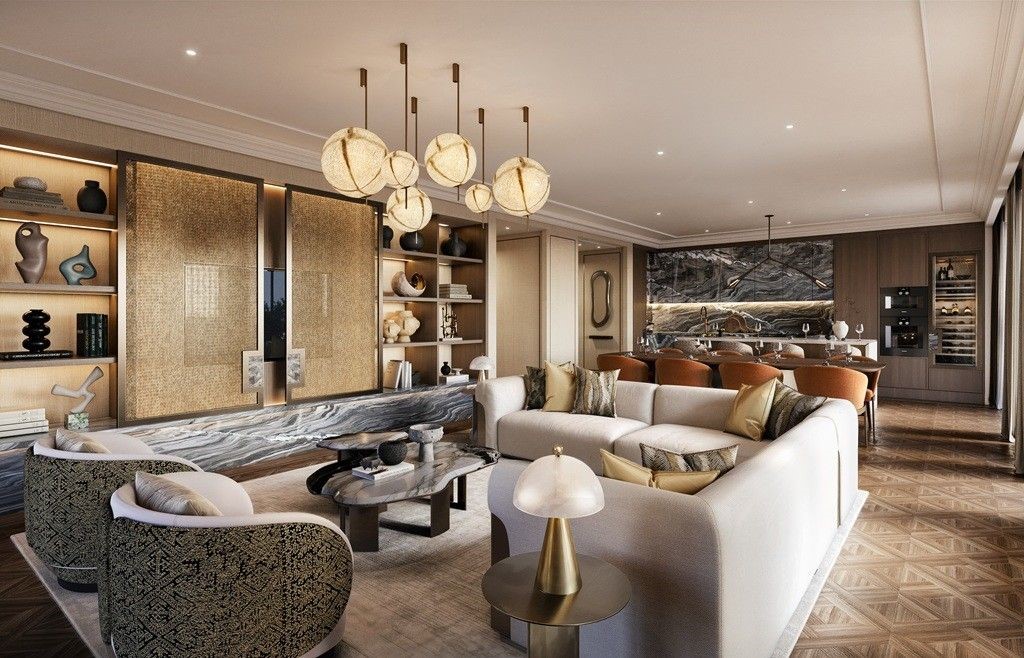
It is precisely this balance between the urban and natural environment that sets this location apart as one of the most sought after in the city. The new phase includes apartments of different structures - from studios to five-room units, area from 33.64 m˛ to 209.12 m˛. The apartments provide a high level of comfort.
The quality of the project is confirmed by cooperation with renowned European partners - Listone Giordano parquet, Atlas Concorde ceramics, Scüco carpentry, Antolini natural stone and Samsung heating and cooling systems. This choice of materials and equipment guarantees durability, functionality and a high level of comfort. Buyers also have the option of furnishing on a "turnkey" basis, through several levels of different interiors, which further simplifies the process of moving in.
The Dorcol Residence has various facilities. With the start of sales of the second phase, The Dorcol Residence continues to follow the transformation of Dorcol and participate in shaping its new identity.
"Golden Panorama" continues to be developed and built
25th April 2026.
Aleksandar Opsenica
Editorial in Chief
AG Real Estate
REBEC
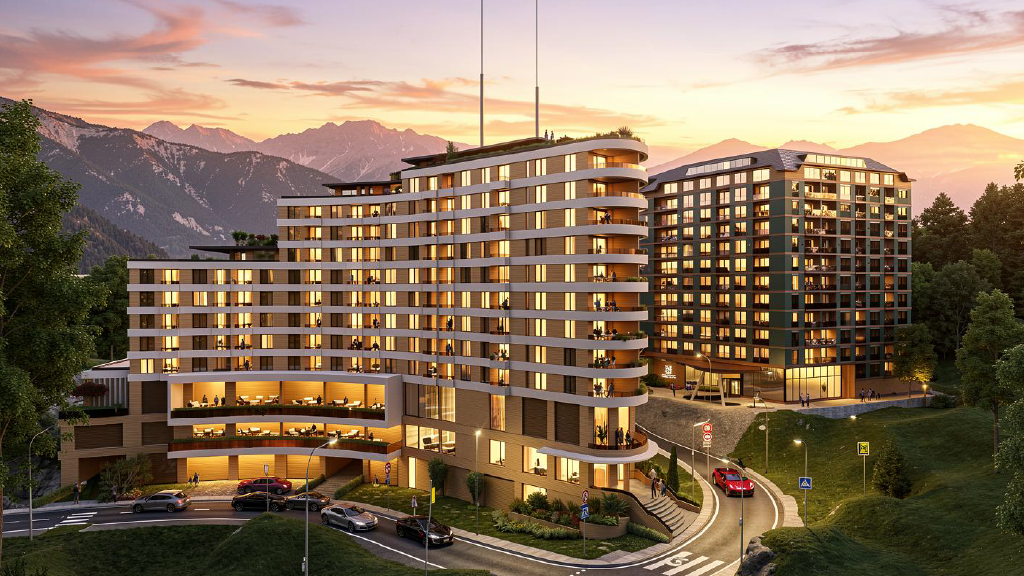
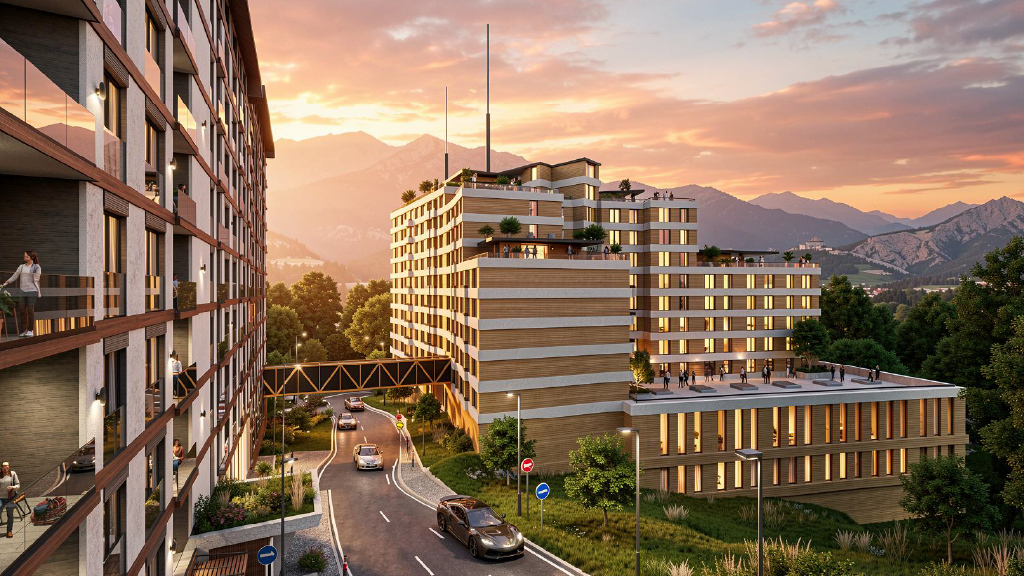
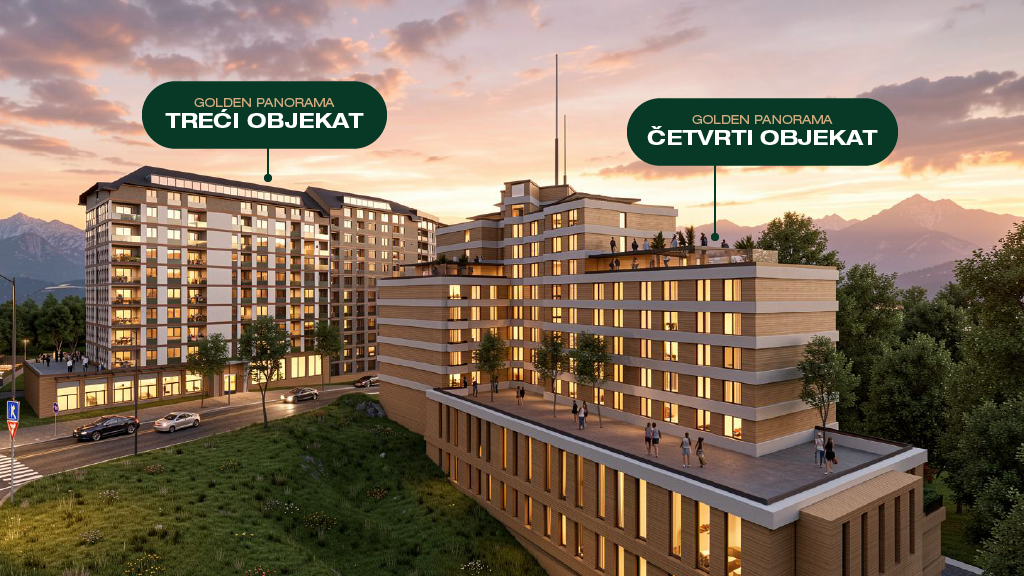
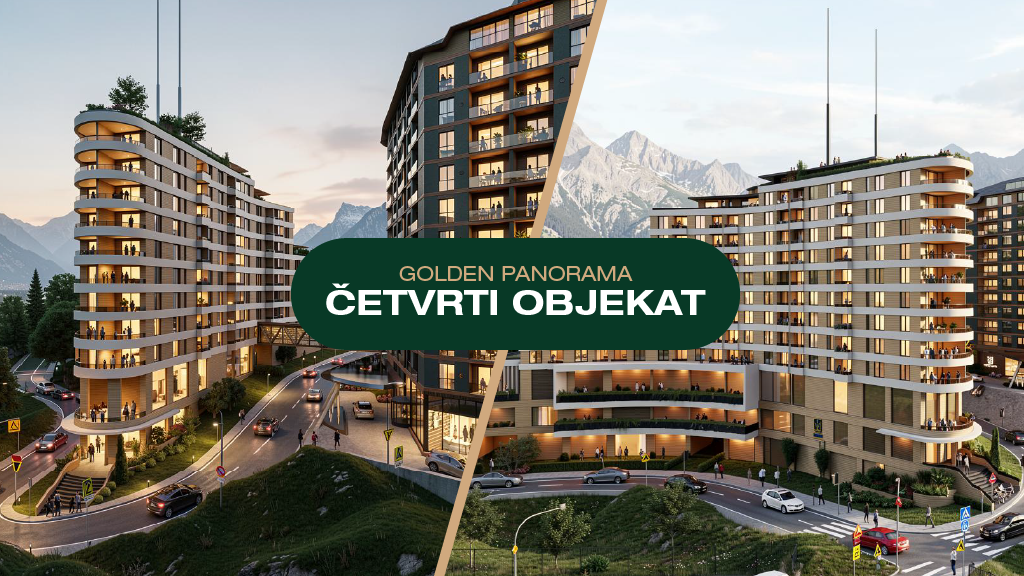
The construction of the third, and the fourth lamella in the "Golden Panorama" complex on Zlatibor has begun, which continues the phased development of the project, which in a relatively short period of time has attracted enormous attention from buyers and guests. The new buildings will bring additional apartment units and facilities, and the interest that followed the previous phases indicates a stable demand in the market.
Continuity of development and positioning on the market
"Golden Panorama" already stood out after the first two lamellas as a complex that offers guests a wider range of possibilities, which influenced its faster positioning compared to other apartment projects on Zlatibor. In the implementation so far, the investor Kabex Invest has complied with world standards in construction quality and planned deadlines, which are factors that buyers often take into account when making a decision to purchase real estate.
Contents that follow modern tourist standards
The first two slats are already equipped with contents that go beyond the usual offer. The complex offers a wellness and spa center, an outdoor and indoor swimming pool, a gym, a playroom, as well as a laundry room and storerooms, important for longer stays. Massage services, an organized playroom for children, and the restaurant "Mala fabrika uzuka", the only one with HALAL cuisine in Zlatibor, are available to guests.
In addition to the new apartments, the third lamella brings a wellness and spa center of about 2,000 m˛ and a padel court, which expands the offer in line with modern tourist trends. The fourth lamella will be aimed at the business segment, with a conference hall with a capacity of up to 1,500 seats. The facility also includes a gym, seven bars and another restaurant.
Purchase model and passive income potential
Apartments in the third and fourth lamella "Golden Panorama" will also be registered and available for purchase directly from investors, including an interest-free installment model. The investor also offers the service of managing and renting out apartments, which allows owners to earn passive income without the need for independent rental organization.
The construction of the third and fourth slats is a response to the interest that followed the previous phases of the project. By expanding its capacity, "Golden Panorama" continues to develop a concept that combines accommodation, additional facilities and investment potential.
In the context of the Zlatibor market, where competition is continuously increasing, projects that offer a clear structure and flexible purchase models have a greater chance of attracting end users.
Ljubljana leads in relation to the countries of Southeast Europe
15th April 2026.
Aleksandar Opsenica
Editorial in Chief
AG Real Estate
REBEC
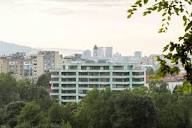
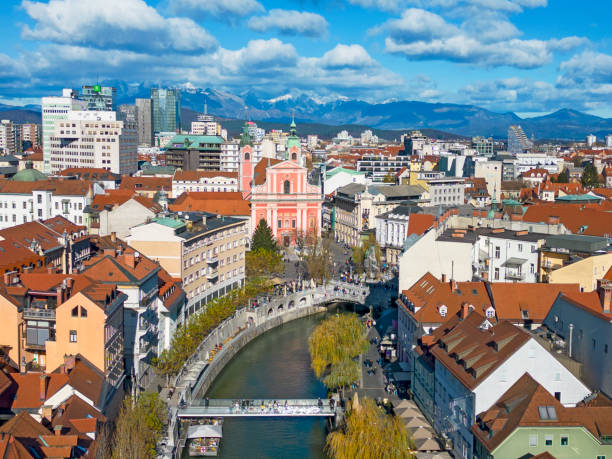
Office space markets across South East Europe (SEE) entered 2026 with strong fundamentals, supported by low vacancy rates in most capital cities, limited supply of prime space and strong demand for quality, sustainable offices. Although plans for new construction vary from market to market, the trend in the region remains stable, with tenants increasingly prioritizing technical features, location and ESG standards when making leasing decisions during the first quarter of 2026. The result is a growing difference in business between top-quality facilities ready for future challenges and an older, less competitive stock of office space. Vacancy rates across the SEE remain low relative to historical averages, reflecting the region's attractiveness to tenants despite an uncertain macroeconomic environment. Zagreb and Ljubljana continue to rank among the markets with the least available space, with vacancy rates of around 2% and 3%, respectively, while the rate in Belgrade is 4.4%. In Sofia, although the overall vacancy rate is still higher at just under 12%, it continues to fall, with several key business zones already recording a vacancy rate of less than 10%. The most active capital city in the region since the beginning of 2026 is Ljubljana, where the market has recently absorbed significant amounts of new office space with no visible pressure on vacancy rates. Two major projects completed in the first quarter brought about 46,000 square meters of new space, yet the vacancy rate remained low (3%), leading to an increase in rental prices. In the markets of the Adriatic region, there is still high tenant confidence, supported by strong demand factors. Ljubljana's ability to absorb significant new supply without market disruption highlights the strength of demand for modern, sustainable office space. Rental prices for prime office space across SEE continue to rise, fueled by limited supply and continued demand for the highest quality properties. Rental prices for this type of space are currently 20.5 euros per square meter in Ljubljana, 20.0 euros in Sofia, 18.5 euros in Belgrade and 18.0 euros in Zagreb, with expectations that there will be further growth.
Ljubljana leads in relation to the countries of Southeast Europe
15th April 2026.
Aleksandar Opsenica
Editorial in Chief
AG Real Estate
REBEC
Office space markets across South East Europe (SEE) entered 2026 with strong fundamentals, supported by low vacancy rates in most capital cities, limited supply of prime space and strong demand for quality, sustainable offices. Although plans for new construction vary from market to market, the trend in the region remains stable, with tenants increasingly prioritizing technical features, location and ESG standards when making leasing decisions during the first quarter of 2026. The result is a growing difference in business between top-quality facilities ready for future challenges and an older, less competitive stock of office space. Vacancy rates across the SEE remain low relative to historical averages, reflecting the region's attractiveness to tenants despite an uncertain macroeconomic environment. Zagreb and Ljubljana continue to rank among the markets with the least available space, with vacancy rates of around 2% and 3%, respectively, while the rate in Belgrade is 4.4%. In Sofia, although the overall vacancy rate is still higher at just under 12%, it continues to fall, with several key business zones already recording a vacancy rate of less than 10%. The most active capital city in the region since the beginning of 2026 is Ljubljana, where the market has recently absorbed significant amounts of new office space with no visible pressure on vacancy rates. Two major projects completed in the first quarter brought about 46,000 square meters of new space, yet the vacancy rate remained low (3%), leading to an increase in rental prices. In the markets of the Adriatic region, there is still high tenant confidence, supported by strong demand factors. Ljubljana's ability to absorb significant new supply without market disruption highlights the strength of demand for modern, sustainable office space. Rental prices for prime office space across SEE continue to rise, fueled by limited supply and continued demand for the highest quality properties. Rental prices for this type of space are currently 20.5 euros per square meter in Ljubljana, 20.0 euros in Sofia, 18.5 euros in Belgrade and 18.0 euros in Zagreb, with expectations that there will be further growth.
Belgrade apartment sales hit €770 million in Q4 2025
26th March 2026.
Aleksandar Opsenica
Editorial in Chief
AG Real Estate
REBEC
Belgrade's apartment market recorded €768.5 million in sales during the fourth quarter of 2025, marking an 18% increase compared to €651.9 million in the same period the previous year, according to data from the Republic Geodetic Authority. This represents the highest fourth-quarter amount since 2022, when a quarterly record of over €800 million was reached. Following Q4 2022, the market experienced stagnation until recovery began in 2025.
Cash purchases accounted for 60% of all transactions, while 40% were financed through mortgages. Mortgage buyers continue to be significant participants in the market; however, the average remaining housing loan amount is slightly above €40,000. Therefore, the increase in the number of buyers using mortgages should not be confused with an increase in the share of mortgage financing in total property value.
The market clearly recovered in 2025, with total transaction volume for apartments in Belgrade reaching €2.5 billion, representing a 13% increase compared to €2.2 billion in 2024. Despite various challenges throughout the year, including student protests, tariff conflicts, and a 12-day conflict between the United States and Iran, the market demonstrated resilience.
Data related to specific projects should be interpreted carefully, as the Republic Geodetic Authority does not register preliminary contracts, but only final agreements signed prior to occupancy. The use of preliminary contracts means that buyers and sellers reached agreements much earlier than indicated by the official contracts.


MIPIM 2026 final report
15th March 2026.
Aleksandar Opsenica
Editorial in Chief
AG Real Estate
REBEC
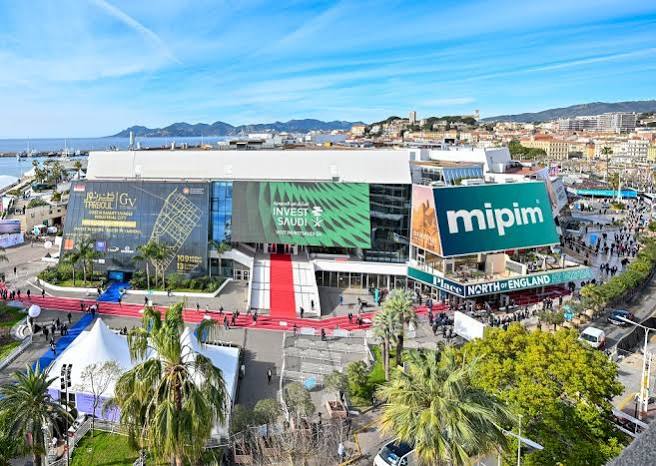
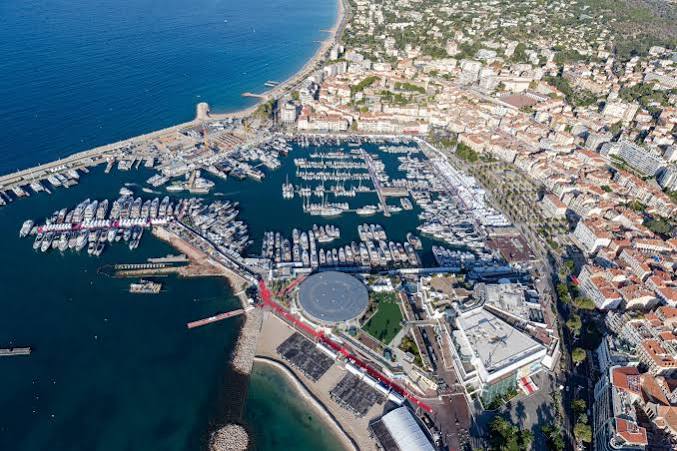
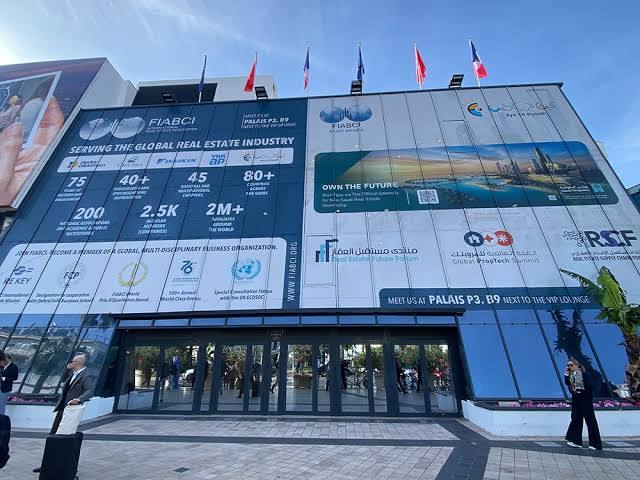
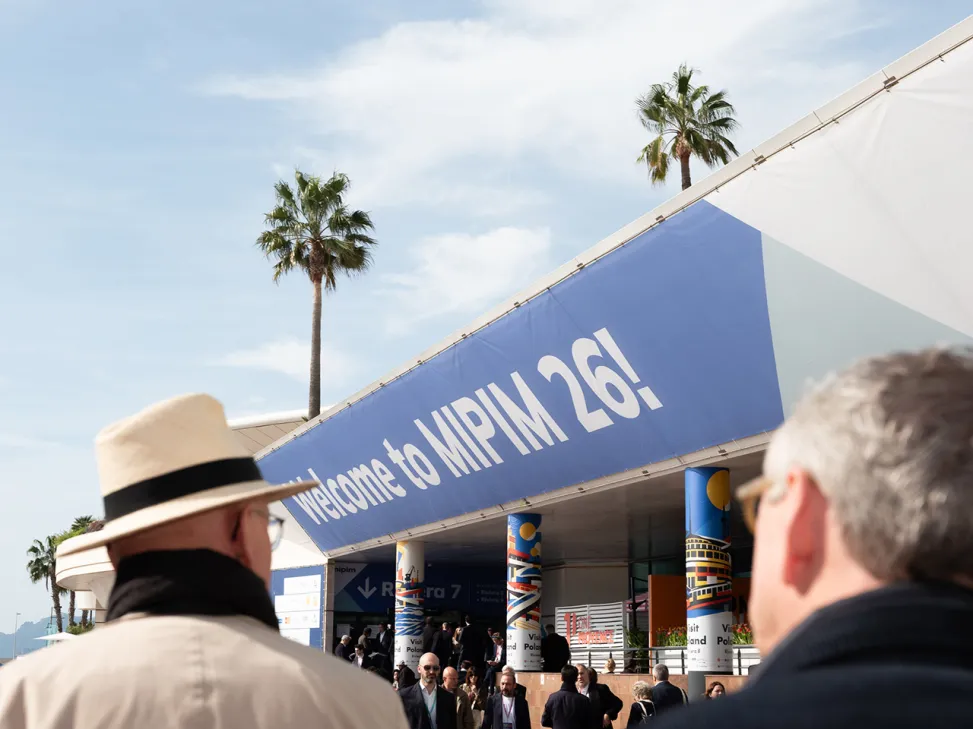
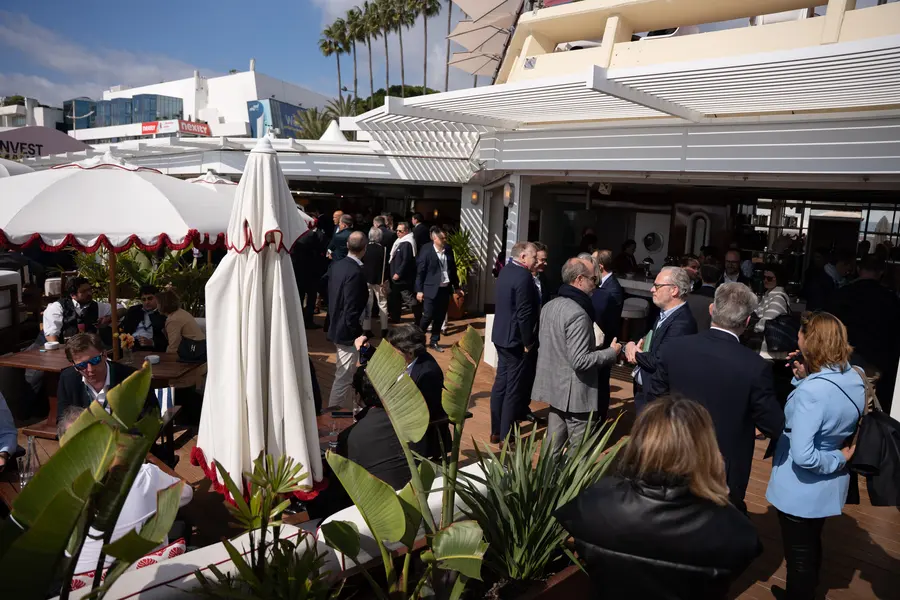
The official final report from the MIPIM 2026 festival in Cannes, published by organizers RX France, highlights the resilience and cautious optimism of the global real estate market, which faces investment opportunities worth as much as €4 trillion. The event confirmed that the industry is stabilizing after a period of high interest rates and geopolitical instability, but that passivity is no longer an option – transformation, specialization and operational efficiency have become the new business standards.
Key figures of the event
• Over 20,000 delegates from 90 countries gathered at the festival palace in Cannes;
• More than 5,000 investors, who made up almost a third of all attendees, which emphasizes the strong transactional importance of the meeting;
• High structure of decision-makers: Over 80% of the delegates present were C-level managers;
• Strong presence of the public sector: In addition to business leaders, the participation of a large number of mayors, ministers (including four ministers of housing) and UN-Habitat representatives was recorded;
Main themes and macroeconomic conclusions
The official discussions were opened by Professor Philippe Agion, winner of the Nobel Prize in Economics, and the key narratives revolved around the following pillars:
• Selective capital allocation: Investors are slowly returning to the market due to the stabilization of debt costs (which average around 5.5%), but they are significantly more demanding. The focus is on projects with clear foundations, stable cash flow and reliable partners;
• AI and data center explosion: Artificial intelligence is structurally changing the real estate sector. The first official Data Centers Summit at MIPIM was sold out, confirming that data infrastructure and AI-ready facilities have become a key asset class;
• Global housing crisis: Monday was dedicated to the Housing Matters! forum, which addressed the chronic lack of affordable urban housing (like London where the need is 88,000 units per year and only a small fraction is being built);
• Sustainability and Net Zero reality: ESG criteria and energy efficiency of buildings are no longer an optional extra, but a primary requirement for attracting institutional capital and preserving the long-term value of assets;
The next festival will be held in Cannes from March 15 to 19, 2027, with the announcement of further expansion of the space and the introduction of an artificial intelligence academy in cooperation with Columbia University.

The boom in the real estate market in Serbia is accelerating ahead of Expo 2027.
10th February 2026.
Aleksandar Opsenica
Editorial in Chief
AG Real Estate
REBEC
The real estate market is experiencing a significant acceleration and increased capital inflow as the specialized exhibition Expo 2027 approaches. A large number of infrastructure works currently underway across the country generate high liquidity and open new operational opportunities for both domestic and foreign investors. Securing projects related to the upcoming event creates a highly dynamic and competitive environment. Finding financing is specific and demanding due to the large number of investors competing for the same projects.
Investment strategies in the current period are primarily focused on the two most profitable segments. As part of preparations for the reception of visitors, investors are implementing large projects such as the construction of a five-star hotel with a capacity of 200 rooms, which will significantly improve and reposition the capital's premium catering offer. The catering sector is assessed as a key revenue generator ahead of the Fair. The housing sector maintains a high level of activity, continuing a stable growth trend that has been continuously present since 2017. This segment remains the primary focus of investors throughout the region.
A clear transition from speculative investing to sustainable business models has been observed on the market. The leading players in the market reject exit strategies after the end of Expo 2027. Real estate is developed with a long-term perspective and the intention of permanent retention in the portfolio. Companies that invest capital also act as operators of their own real estate. Great attention is paid to technical details during construction, considering that the investors plan to independently manage the facilities in the long term.
Investment capital from this segment shows a high level of mobility within the region of the former Yugoslavia. Activities and assets are successfully diversified geographically from Slovenia, through Bosnia and Herzegovina and Serbia, all the way to Bulgaria, with clear corporate plans for further territorial expansion across the Balkan Peninsula.
The upcoming Expo 2027 acts as a powerful catalyst that transforms the real estate market, raising standards in the residential construction and luxury hospitality segments. Investors who apply an integrated model (investor-operator) and hold assets for the long term are positioned to achieve the highest returns and stable cash flows even after the end of the event itself.
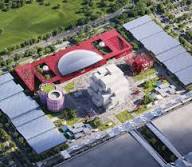
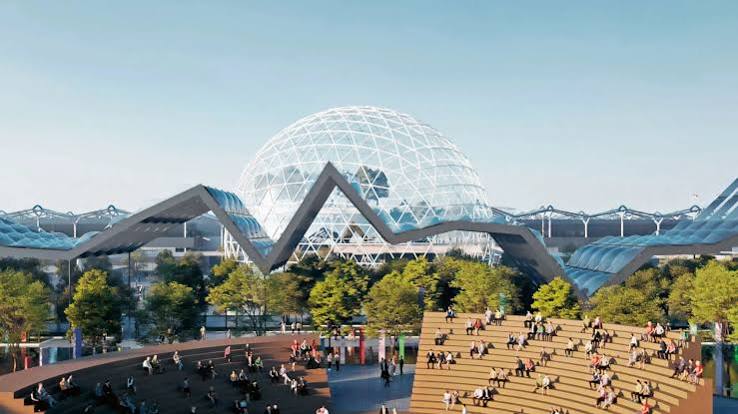
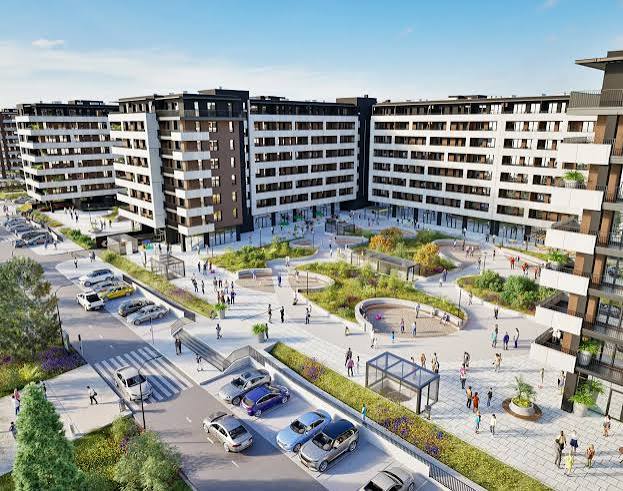
The region of Southeast Europe is turning investors' curiosity into confidence
21st January 2026.
Aleksandar Opsenica
Editorial in Chief
AG Real Estate
REBEC
The focus of interest in the real estate market in Southeast Europe (SEE) has shifted from theoretical potential to concrete, measurable results. Investment capital is increasingly flowing to the markets of the Balkans and the Adriatic.
It is estimated that the volume of investments will reach around 900 million euros, which makes this period extremely successful for the region, with recorded growth in all asset classes.
Slovenia is positioned as the most attractive regional market for investments in office space, where the demand for modern offices exceeds the supply. Croatia leads the way in the industrial and logistics sector, recording the lowest capacity vacancy rate in the region. Serbia is experiencing strong regrowth and stabilization in the retail sector, and Bulgaria is recognized for its high long-term investment potential in the office space segment. The market is noticing significant changes in terms of the geographical origin of investors, but also in the very models of project financing by the banking sector.
The majority of real estate investors in certain key markets (such as Serbia) now come from countries outside the EU, with dominant inflows and strategic capital flows from Israel, the UAE and South Africa. As the market matures and stabilizes, the level of trust between banks and investors increases. The participation of loans in the total costs of the project (LTC - Loan-to-Cost) reaches a high 70%, while the repayment terms have been extended to periods longer than ten years. Successful realization of capital projects in the SEE region requires patience, high adaptability and long-term commitment of investors.
Large mixed-use projects in regional centers (like Ljubljana) require several years of development and changes to the original concepts. Current trends show a surprising and strong increase in interest in residential and hospitality facilities within business zones. High-quality, modern business and residential buildings record extremely fast realization — in the residential segment, sales of over 50% of units are recorded in the early phase, while pre-lease contracts (lease before the completion of construction) reach up to 85% of capacity for business premises.
A stable business environment and a high quality of life in regional metropolises accelerate the demand for modern business premises that are fully compliant with ESG standards. It was pointed out that on the Balkan market, the best projects are rarely obtained simply through intermediaries. Successful entry into the market and creation of long-term value directly depends on building solid partnerships with local companies and banks, and in-depth research of micro-locations. Southeastern Europe remains a highly profitable market that offers attractive returns. However, the differentiation between sustainable business opportunities and short-term speculative ventures will depend solely on the willingness of investors to adapt, collaborate locally and implement green building standards.





DRFG enters Croatia with €40 million retail deal
10th January 2026.
Aleksandar Opsenica
Editorial in Chief
AG Real Estate
REBEC
Investment group DRFG has purchased the ZTC shopping centre in Rijeka, from Universale International Realitäten, part of the UniCredit Group, for more than €40 million. The transaction marks DRFG's entry into the Croatian real estate market and expands its activities in the Central and Southeast Europe region.
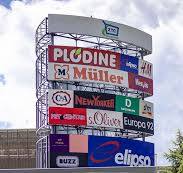
ZTC Rijeka opened in 2012 and offers approximately 21,000 sqm of gross leasable area across three retail levels with more than 50 retail units. The centre provides 940 parking spaces and features sea views through panoramic elevators and a rooftop terrace. Key tenants include domestic grocery chain Plodine and international brands such as H&M, C&A, Deichmann and New Yorker.
The centre is currently fully leased and attracts just under 3 million visitors annually. DRFG plans to invest in modernisation and improving ESG standards to increase energy efficiency and strengthen long-term competitiveness.
Novotel opens its first hotel in Croatia, in Zagreb
16th November 2025.
Aleksandar Opsenica
Editorial in Chief
AG Real Estate
REBEC
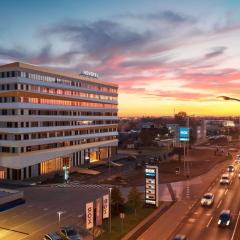
Novotel opened its first hotel in Croatia, making this Accor brand debut on the Croatian market. Located at the eastern entrance to Zagreb, the Novotel Zagreb hotel has 163 rooms and is located 20 minutes from Zagreb airport and 15 minutes from the city center. The interior of the hotel is characterized by natural materials. Facilities include a wellness area with a gym and sauna, a private garden and terrace with city views, and a lounge bar offering healthy dishes inspired by world cuisines, including vegetarian and gluten-free options. The hotel was realized in cooperation with the partner company Rox. For business travelers, the hotel offers six flexible meeting spaces with a capacity of up to 550 participants, as well as flexible workspaces distributed throughout the facility.
Data centres, new energy infrastructure boost real estate investment sentiment
10th November 2025.
Aleksandar Opsenica
Editorial in Chief
AG Real Estate
REBEC
The European real estate industry has shifted from cautious optimism to pragmatism as geopolitical and economic uncertainty continues to temper investment activity, according to the latest report by PwC and the Urban Land Institute.
Concerns about deglobalisation have more than doubled over the past two years, with 70% of industry leaders now worried about its impact. International political instability (90%) and escalation of global conflicts (86%) rank as the top concerns, while Europe's economic growth prospects worry 77% of respondents.
Despite these challenges, business confidence remains stable at 45%, with 50% expecting improved profitability by end-2026. The industry is adapting by focusing on operational returns and value-add investments rather than relying on capital appreciation.
Data centres, new energy infrastructure and student housing continue to dominate sector rankings, reflecting the industry's focus on operational assets with infrastructure-like characteristics. AI adoption has surged, with 75% of respondents now using AI-based solutions compared to 51% last year.
The report reveals a shift in ESG priorities, with only 21% now viewing ESG as a driver of decision-making over the next five years, down from 40% previously. However, energy efficiency credentials remain critical for securing finance.

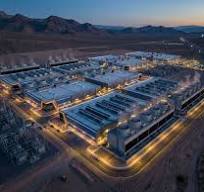
MAPIC 2025 final report
6th November 2025.
Aleksandar Opsenica
Editorial in Chief
AG Real Estate
REBEC
What Does the Big MAPIC Survey Say?
Ahead of the event, an exclusive survey of more than 1,000 retailers from 75 countries was conducted on their plans for the next two years:
Plans to open facilities: As many as 60% of retailers plan to open more than 10 new stores, while over 20% of them are targeting more than 50 new locations in the next two years.
Brand structure at the fair: The most dominant were brands from the clothing and accessories category (41%), followed by food and beverage (F&B) with 20%, and operators from the entertainment and leisure sector (Leisure) with 15%.
Geographic focus: The biggest wave of expansion and interest was recorded in the markets of Italy, Spain, Great Britain, France and the Middle East.
Investment trends and market resilience Despite macroeconomic challenges and inflation, investor sentiment has become positive again, with clear selectivity:
Focus on stability: The most sought-after property class remains retail parks and facilities with grocery chains as main tenants (grocery-anchored assets). For example, CBRE data show that in Germany these formats accounted for as much as 68% of the total volume of transactions in the third quarter.
International capital: Foreign investors are aggressively seizing the moment to enter stable European markets, with the share of foreign capital in retail real estate increasing by 6 percentage points year-on-year.
USA and Asia are making inroads into Europe: Major American brands like Costco and Dine Brands Global (merged IHOP and Applebee's concepts) have used MAPIC to find franchise partners and locations across Europe.
Conclusion: New retail rhythm Experts from the fair concluded that physical stores are not threatened by the e-commerce sector, but are being transformed into flexible omni-channel platforms. They now serve not only for sales, but as places for product testing, repairs, resale (second-hand concepts) and building long-term brand loyalty.
From revenge travel to real strategy: Hotel sector resets
27th October 2025.
Aleksandar Opsenica
Editorial in Chief
AG Real Estate
REBEC
The hospitality sector across South-Eastern Europe (SEE) is transitioning into a new developmental phase, moving past the temporary post-pandemic surge driven by "revenge travel." Following a period of aggressive double-digit growth in Average Daily Rates (ADR) and occupancy metrics, the market is undergoing a healthy normalization. While net growth persists, the industry's focus is shifting away from volatile traffic spikes toward sustainable, long-term performance indicators. Concurrently, tourist arrival and overnight stay metrics are projected to meet and exceed benchmark 2019 data. Regional integration into the Schengen area serves as a primary macroeconomic driver, anticipated to unlock significant commercial demand across coastal lines and western transit corridors.
Market maturation is accompanied by rising investor confidence and a strategic shift in traveler behavior toward highly tailored, experiential lodging. To capture a broader demographic, developers are scaling up alternative concepts, including serviced apartments and branded residences. This product diversification significantly increases the regional footprint and attractiveness of international hospitality brands.
While primary city-center properties offer predictable yield structures, vast untapped upside remains concentrated in secondary regional destinations—specifically mountain, countryside, and coastal micro-locations. Unlocking this upside, however, hinges on regional infrastructure keeping pace with rigid global brand standards. In terms of market players, institutional investors consistently favor stabilized, cash-flowing assets with solid operating track records, whereas domestic and regional entrepreneurial syndicates drive the majority of high-velocity transaction and development activity.
Despite prevailing market optimism, stakeholders emphasize steep administrative and financial barriers that impede accelerated deployment. Outdated zoning legislation and local administrative bottlenecks continue to drag project development timelines. Furthermore, debt capital markets have adopted a highly conservative stance; commercial banks are limiting hospitality construction loans to conservative loan-to-value (LTV) ratios that rarely exceed 50% of the total investment cost. This shift places immense pressure on project sponsors to deploy greater equity layers to close funding gaps.
Amid these constraints, the adaptive reuse and structural conversion of legacy office buildings and historic, protected landmarks into high-end hotels is gaining significant momentum across the region. These conversion projects provide substantial environmental and social (ESG) advantages, drastically reduce time-to-market compared to greenfield builds, and introduce unique assets to institutional portfolios. However, retrofitting historical real estate carries immense legal, technical, and structural risks. Navigating historic preservation permits often triggers hidden CapEx overruns, making comprehensive, upfront legal and financial due diligence mandatory.
Ultimately, the SEE hospitality market has reached a critical inflection point. Future profitability will be determined not by industry recovery, but by operational adaptation. Strategic alignment, strict technical due diligence, financial flexibility, and sustainable capital deployment are the vital factors required to successfully navigate the region's evolving landscape.



Expo 2027 drives Serbian non-residential construction
15th October 2025.
Aleksandar Opsenica
Editorial in Chief
AG Real Estate
REBEC
Overall construction output in Serbia is expected to decline this year, primarily due to the slowdown in civil engineering as several road and railway projects were completed last year. By contrast, non-residential construction has entered a new growth cycle driven by investments connected to hosting Expo 2027 in Belgrade.
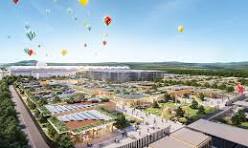
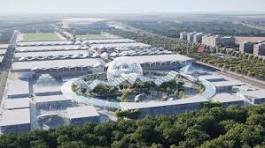
The event will be held in a purpose-built exhibition complex on the outskirts of the city, covering around 80 hectares. Alongside the construction of this complex, numerous public and private investments are indirectly tied to the event, including new hotels, accommodation, leisure, and commercial projects, as well as the reconstruction of museums, cultural heritage sites, and public spaces.
The Expo 2027 complex comprises approximately 230,000 sqm of exhibition pavilions, venues, congress and conference halls, as well as office and retail space. A residential complex with around 1,500 units is being built to house participating delegations. The exhibition will run for 93 days, from 15 May to 15 August 2027, featuring around 130 countries. Total investment could exceed €2.5 billion, with €1.5 billion allocated for the Expo complex and €1 billion for accompanying facilities and infrastructure.
The broader development zone around the Expo 2027 complex extends beyond the exhibition center itself. While the core site covers 80 hectares, total development area exceeds 200 hectares. It will include the new National Stadium complex, a center for aquatic sports, a theme park, recreation facilities, and hotels. The National Stadium alone is a €600 million project, designed with 52,000 permanent seats and capacity to expand by 8,000. Several other public and private developments across Belgrade are linked to the exhibition, including museum reconstructions and new hotels under the Intercontinental and Ritz-Carlton brands.
After the event concludes, the Expo 2027 complex will be repurposed as the new Belgrade Fair Complex. The current fairgrounds in central Belgrade, built in the 1950s, are planned for redevelopment once operations move to the new site. New transport infrastructure, including a railway link to the city center, river dock facilities, and expanded commercial developments, should enhance the location's attractiveness for private investment.
EXPO REAL 2025: Return of confidence and stabilization of the European real estate market
9th October 2025.
Aleksandar Opsenica
Editorial in Chief
AG Real Estate
REBEC
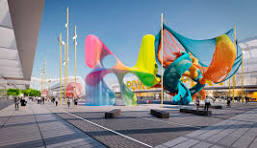
After a long period of macroeconomic uncertainty, the European real estate industry is showing clear signs of consolidation and stabilization. Although high interest rates, inflationary pressures and structural changes continue to dictate business conditions, the international real estate and investment fair EXPO REAL 2025 confirmed the market's renewed readiness to take advantage of opportunities in the new cycle. The event showed that the industry successfully adapts to challenges and actively paves new paths through constructive international dialogue.
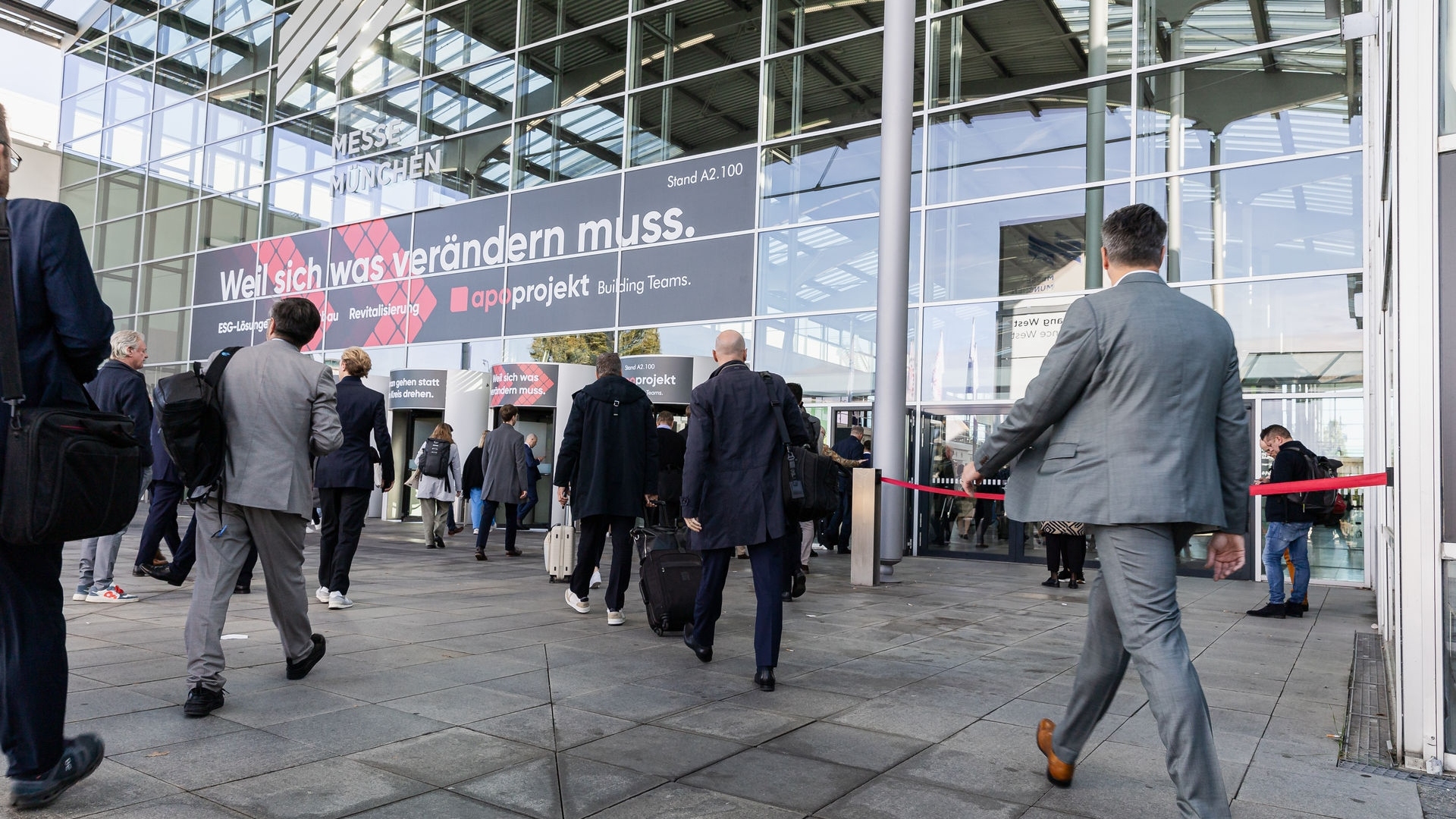
Despite the still complex economic environment, this year's fair recorded an increase in key parameters compared to the previous year. Over 42,000 visitors from more than 70 countries attended the event in Munich, which represents a steady upward trend. A total of 1,742 companies from 34 countries presented their projects and services. The share of international participants recorded a jump of almost 5%, which confirms the global importance of this investment forum. Within the technology zone, more than 80 exhibitors presented themselves, including over 50 startup companies.
Housing crisis and new financing models
The problem of affordable housing has emerged as the absolute number one priority at the European level, requiring a quick response from both political and economic actors. It was concluded that the deep housing crisis in Europe cannot be solved in isolation. It is necessary to combine public funds and private investments in order to initiate a more intense momentum in the construction of housing units. Through the launch of this new forum and the publication of a comprehensive housing study, the fair offered concrete, practical and cost-effective solutions for young families and local communities. In addition to new construction, the focus is strongly on innovative concepts of use and conversion of already existing buildings into residential spaces, which optimizes costs and implementation time.
Technological innovation as a driver of growth
Technology and data have become key pillars to overcome the market gap and achieve profitability:. The "Transform & Beyond" zone as a segment of the fair served as a central platform for decarbonization, digital business models and project development based on advanced data analytics (data-driven development). The technology zone has proven to be an indispensable place to connect startup innovators with key industry leaders looking for ready-made solutions to optimize construction and business costs. Large cities and regions (such as Frankfurt and other European metropolises) used this forum for direct dialogue with investors, promoting their locations as stable and safe points for placing capital in the new market cycle.
The next EXPO REAL fair will be held in Munich from October 5 to 7, 2026.

Albania's real estate market shows strong growth momentum
19th September 2025.
Aleksandar Opsenica
Editorial in Chief
AG Real Estate
REBEC
Albania's real estate market is making a growing contribution to the country's GDP, with performance across multiple sectors. The hospitality, office, and residential markets are driving this growth, while the retail and industrial sectors are experiencing steady expansion.
The office market is poised for transformation, driven by ongoing construction and development, while the retail sector is positioned for continued growth, supported by both existing investors and the arrival of new brands. The influx of planned and ongoing construction is expected to influence both prices and vacancy rates, with the alignment of supply and demand playing a key role.
Following the entry of international hospitality brands such as Melia, Marriott, and Accor, Albania is now positioned to advance into the next stage of its hospitality development. This phase will be characterized by the development of large-scale, luxury resorts designed to cater to demand from high-net worth individuals.
Albania continues its tourism momentum in 2025, building on the performance of 2024. The country remains a top-ranked destination, attracting growing interest from global hospitality brands, particularly along the Albanian Riviera. Developments such as Vlora Airport and the Llogara Tunnel have improved access to the south, where June 2025 also marked the opening of the first branded 5-star hotel, MGallery Green Coast.
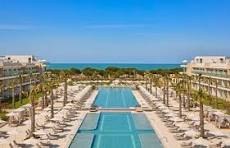
SES starts construction of new retail park in Croatia
19th September 2025.
Aleksandar Opsenica
Editorial in Chief
AG Real Estate
REBEC
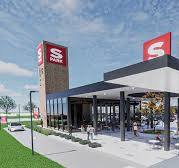
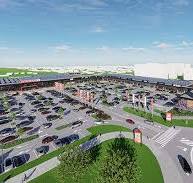
SES Spar European Shopping Centers has started construction of S-Park Varaždin in northwest Croatia. The project, will redevelop the historic site of the former Varteks textile factory into a modern retail park scheduled to open in 2027. The investment of more than €28 million will deliver around 11,500 m2 of retail space on a site of 50,000 m2. The scheme will include 12 shops, gastronomy with outdoor seating, service providers, and the region’s first Interspar hypermarket. Plans also include 430 parking spaces with e-charging stations.
The S-Park Varaždin will create a wide range of shopping opportunities and local amenities. This historic site, which has strong roots in the region, will be make a comeback in 2027. The project will bring new jobs and services to the city.
The project’s design will incorporate elements of the former industrial site’s brick architecture, combined with modern features. Selected parts of the old buildings will be preserved, while sustainability measures such as LED lighting, photovoltaic-ready infrastructure and e-mobility facilities are part of the plan.
SES has been present in Croatia since 2009 and has operated the King Cross Zagreb shopping mall since 2018. Following refurbishment, King Cross is expected to reopen in 2026 as one of the most modern shopping destinations in the country.
Martley Capital completed the sale of two warehouse facilities in Croatia
1st September 2025.
Aleksandar Opsenica
Editorial in Chief
AG Real Estate
REBEC
Martley Capital has sold two warehouse facilities in Croatia from its "Central European Value Add Fund" (CEREF). These facilities - Vetel logistics center and Koledovcina 2 - have a total lettable area (GLA) of 21,160 m˛ and are fully leased to local and national tenants. Both facilities are located on the outskirts of Zagreb, with good connections to the city's transport network.
After the acquisition in 2021, property management measures were implemented at the facilities, which included the introduction of indexation of rental prices and maintenance fees, restructuring of leases and entering into new contracts, which led to an increase in income. The buildings were sold to renowned Croatian investors. Martley will continue to perform real estate and property management duties, overseeing the ongoing management program.
Martley Capital sees great potential in the Croatian industrial and logistics real estate sector, with plans for further capital investment in Central Europe during 2025 and continued expansion of the portfolio of projects for its investors. Martley Capital, founded in December 2023, manages around Ł900m of assets across 28 mandates and has a team of 40 staff across five offices in the UK and Europe.
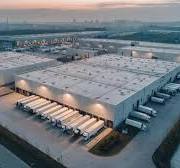
MPC Properties sells Immo Outlet Center in Belgrade
20th August 2025.
Aleksandar Opsenica
Editorial in Chief
AG Real Estate
REBEC
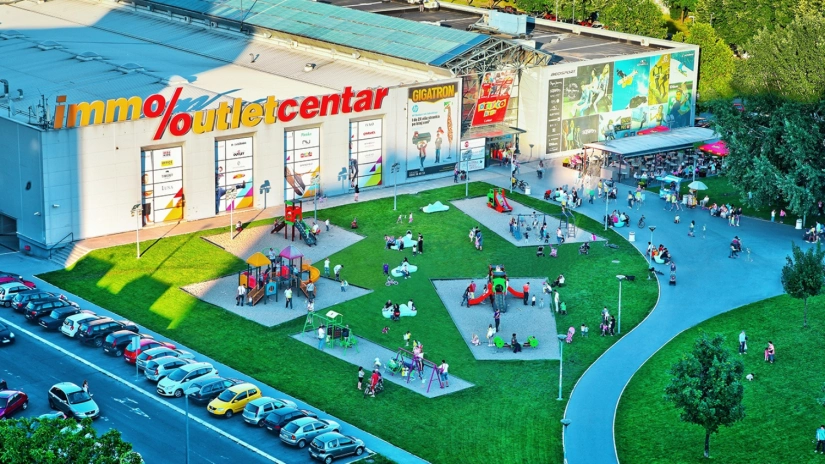
MPC Properties has sold Immo Outlet Center in Belgrade to PFT Celanova.
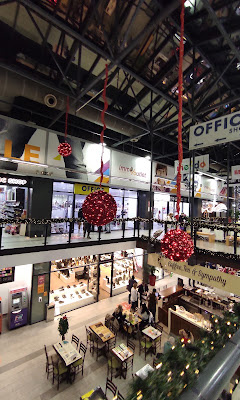
The Immo Outlet Center has a leasable area of close to 8,500 m2 and includes 37 retail units and 185 underground parking units. The project is fully occupied at present.
Its prime position allows it to serve a catchment area of over 160,000 residents within a 10-minute drive, establishing it as a retail asset with high potential.
The owner of PFT Celanova Ltd (registered in Cyprus) is the well-known businessman Milan Popovic. This Cypriot holding company manages several subsidiary companies in the region, among which are domestic companies Celanova Capital, Celanova Agro and Celanova Invest with headquarters in Vršac and Belgrade, as well as the company of the same name Celanova d.o.o. in Croatia. Through this business network, in addition to the latest purchase of the Immo Outlet Center in Belgrade, other large investments and acquisitions of valuable real estate and land in the region were realized.
The business complex on Radnicka cesta in Zagreb is one of the capital projects of the company. It is a modern office building in Zagreb's business zone, which includes 9 above-ground and 2 underground floors, with retail spaces, restaurants and underground garages. Then the Logistics Center at Žitnjak in Zagreb. A complex of land in the business zone purchased through the company Sila Nekretnine, with the intention of developing a large and modern logistics distribution center.
The group owns several luxury residential buildings and properties in the elite parts of Zagreb, including real estate in the Horvatovac and Baboniceva locations. Tourism and exclusive locations on the coast Posed Fusco (Paklinski Islands, Hvar) Through its headquarters in Zagreb, the group has invested in exclusive land and real estate on the Paklinski Islands in the immediate vicinity of Hvar, thus rounding off an attractive coastal tourist location.
Agricultural sector and land in Serbia Celanova Agro owns in Vršac. In Serbia, the focus of the group (in addition to the Immo center) is strongly positioned in agriculture. The company owns large and technologically up-to-date apple orchards in the territory of Vršac, near the border with Romania. This agricultural ecosystem includes advanced infrastructure, cold storage and fruit storage and distribution systems.
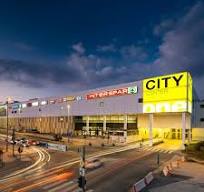
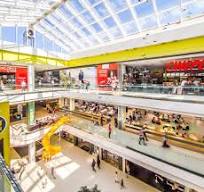
InterCapital Real Estate Fund buys a stake in the shopping center City Center one Split
10th August 2025.
Aleksandar Opsenica
Editorial in Chief
AG Real Estate
REBEC
InterCapital Real Estate Fund, the first Croatian open-end investment fund focused on commercial real estate, has successfully acquired a strategic ownership stake in the shopping center City Center one Split from CC Real. As part of this transaction, a joint venture agreement was signed, which opens up legally defined options for the investment fund to acquire full ownership of this commercial object in the coming years.
During the three-year period leading up to the acquisition, CC Real conducted intensive operational and marketing activities with the aim of maximizing the value of the property. A comprehensive renovation and technical modernization of the facility was carried out, worth more than 22 million euros. Through strategic property management, rebranding and repositioning on the market, the leading position of the shopping center in the region has been significantly strengthened.
The EU Commercial facility stands out on the market for its high standards of sustainability, which directly affects its long-term profitability and attractiveness for institutional capital. This is the first shopping center in Croatia that is fully compliant with the strict criteria of the EU Taxonomy. The building has the prestigious DGNB Gold certificate for sustainability, which confirms the high-energy efficiency and environmental resistance of the building.
The management of the CC Real Company said that funds of this type would bring greater stability to domestic investors, as well as an excellent opportunity for joint creation of long-term real estate value. In addition to this facility, the CC Real Company in Croatia also manages the City Center West and East centers in Zagreb, as well as the Max City center in Pula. Globally, the company has developed operations and manages commercial real estate and investments across the European Union, the United Kingdom and Australia.
Prague expects pre-pandemic hotel figures in 2025
29th July 2025.
Aleksandar Opsenica
Editorial in Chief
AG Real Estate
REBEC
The hotel market in Prague and the entire Central and Eastern European region is experiencing a recovery exceeding initial expert expectations, according to the CBRE analysis. International overnight stays in Prague are at 95% of their 2019 level.
This growth is fueled by strong tourism development, driven by renewed domestic demand, the return of international visitors and changing traveller preferences. Prague maintains its position as the most visited city in the region, while investor confidence is strengthening and the hotel market is rapidly approaching pre-pandemic levels.
The return of tourists to the CEE and SEE regions varies by country of origin. In any case, arrivals from Western Europe have largely recovered. Dynamic growth has also been observed among American tourists, who are returning to popular destinations, such as Prague, following the resumption of long-distance travel. An interesting trend is the increasing interest of visitors from the Persian Gulf countries, who are focusing on luxury and wellness stays.
Data for 2024 show that the greatest recovery compared to 2019 occurred among travellers from the United States (+18%), Austria (+17%) and Spain (+14%). On the contrary, the opposite trend is evident among visitors from Northeast Asia, who recorded a decrease of 43% and the Asia-Pacific region (-33%). Average occupancy increased by 6 percentage points year-on-year last year, and this year it remains at high levels, ranging from 76% in Warsaw to 82% in Prague.
The Central, Eastern and Southeastern Europe region has more than 450,000 hotel rooms, with the share of the premium and luxury segment constantly growing. Four-star hotels today represent 45 to 50% of the total supply, while five-star hotels make up around 10 to 15%, concentrated mainly in capital cities and resort destinations.
In the first quarter of 2025, hotel transactions totaling €417 million were completed, which represents 63% of the volume for the whole of last year. The sale of the Hilton Prague Hotel played a major role in this, which we managed to carry out as the largest transaction in the region in history.
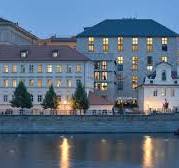
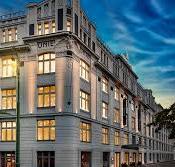
SES Spar buys Arkadia Shopping Centre in Slovenia
24th July 2025.
Aleksandar Opsenica
Editorial in Chief
AG Real Estate
REBEC
The Generali Adriatic Value Fund has finalized the sale of the "Arkadia" shopping center, located in Domžale (northeast of Ljubljana, Slovenia), to SES Spar European Shopping Centers. Generali Investments Slovenia and Peakside Capital acted jointly on behalf of the seller. The transaction is currently pending regulatory approval from the Slovenian Competition Protection Agency.
The asset, originally acquired by the fund in 2018, features a gross leasable area (GLA) exceeding 11,000 square meters and offers 350 dedicated parking spaces. This acquisition expands SES’s international retail portfolio to 32 locations, which now includes six major shopping centers across Slovenia. Strategically situated near the Ljubljana–Maribor highway, the property ensures seamless logistical connectivity for both consumers and commercial partners.
From Peakside Capital Advisors Management: "The divestment of the 'Arkadia' center validates the success of our value-add investment strategy, which centered heavily on active asset management. We are highly pleased to transition this asset to a renowned operator capable of driving its future development and market positioning. As we continue to identify substantial upside within the South East Europe (SEE) region, we remain active in scouting new investment opportunities.
From the Executive Board of Spar and Supervisory Board of SES: SES specializes strictly in retail real estate. This focus unlocks significant commercial synergies across the SPAR Group globally, enabling us to continuously strengthen and scale our brick-and-mortar footprint.
The core mandate of the Generali Adriatic Value Fund remains targeted at generating stable rental income and achieving capital appreciation. The fund continues to execute its strategy through targeted commercial real estate investments across the SEE region, focusing on the office, retail, logistics, and hospitality sectors.
First office project in Albania reaches BREEAM Excellent rating
14th July 2025.
Aleksandar Opsenica
Editorial in Chief
AG Real Estate
REBEC
Tirana-based Park Avenue Tower, developed by Orion Shpk, is the first office project in Albania to achieve a BREEAM Excellent rating under Version 6 certification.
Additionally, the project is Albania's first to be nominated at the BREEAM Awards 2025, held in London in early June. The building offers nearly 13,000 m2 of premium office space, focusing on enhanced biodiversity, reduced energy and water consumption, and the promotion of human-centric design.
The BREEAM certification process was led by Colliers Poland in conjunction with Colliers Albania. This achievement demonstrates that even in challenging markets, with the right expertise, international best practices can be successfully implemented and acknowledged on the global stage.
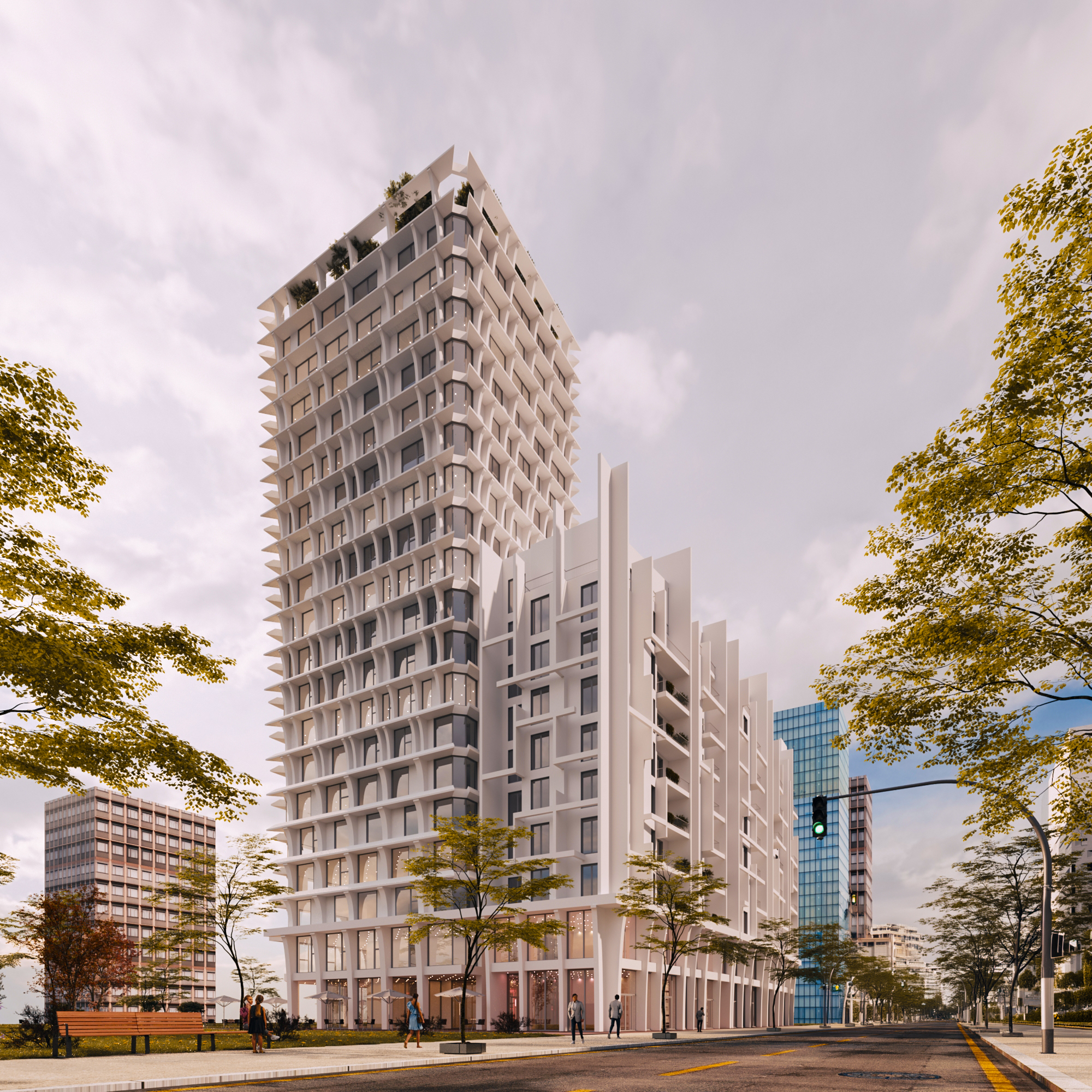
Belgrade residential market sees rebound
4th July 2025.
Aleksandar Opsenica
Editorial in Chief
AG Real Estate
REBEC
The Belgrade residential market recorded a total transaction volume of €650 million in the fourth quarter of 2024. This represents a 32.6% increase compared to €490 million in the fourth quarter of 2023, when the market was still affected by a two-year stagnation period. While the volume is objectively high, Cordon notes that the year-on-year comparison should be viewed with caution, as the 2023 figure reflected an exceptionally weak period.
Cash transactions continued to dominate the market, accounting for 70% of all deals, while 30% were financed through loans. This ratio has remained stable over recent years, with Cordon observing that buyers are no longer avoiding credit financing to the extent seen in previous periods.
The volume of transactions involving properties with incomplete documentation — the so-called partially regulated market — stood at €189 million in the fourth quarter of 2024, down from €210 million a year earlier. This decline highlights the ongoing advantage of properties with full legal documentation. Part of the incomplete transactions still relate to delays in issuing occupancy permits at the time of sale.
While the data reflects the market situation as of late 2024, current conditions have shifted again towards slight stagnation. Ongoing political uncertainty, both domestically and internationally, along with new tariffs, has introduced additional insecurity. However, unlike previous slowdowns, smaller-scale projects have continued to launch in recent months, offering some level of market activity despite the broader headwinds.
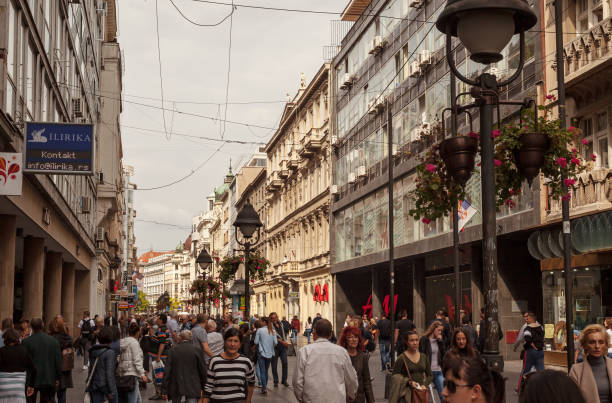
REBEC 2025: Decoding the EU taxonomy – Key to profitable and sustainable real estate
22th June 2025.
Aleksandar Opsenica
Editorial in Chief
AG Real Estate
REBEC
The EU taxonomy, a classification system for sustainable economic activities that has been in effect since 2022, also affects companies operating in Serbia, regardless of the fact that our country is not a member of the European Union. How to best adapt to this complex system that aims to direct investments towards projects that meet sustainable standards was discussed at a panel at the REBEC 2025 conference.
1. STRATEGIC RELEVANCE AND SCOPE OF THE EU TAXONOMY
The EU Taxonomy, a standardized classification system for environmentally sustainable economic activities, exerts a direct and profound impact on real estate markets outside the EU, including the Western Balkans and Serbia.
Extraterritorial Impact: Regulatory requirements naturally spill over into regional markets because EU-based companies must align their non-EU operations with these frameworks. Furthermore, by 2028, non-EU suppliers and service providers catering to EU corporations under international corporate sustainability reporting mandates must achieve full taxonomy compliance.
Target Segments: The framework primarily regulates institutional investors (companies with 250+ employees), financial markets, and commercial banks. However, it also serves forward-thinking developers seeking a competitive edge in attracting premium tenants and institutional capital.
2. THE BANKING SECTOR AS A DRIVER OF SUSTAINABLE LENDING
Shifting liquidity across global capital markets and the upcoming maturity of a large percentage of commercial real estate loans in the EU are driving banks to use the EU Taxonomy as the baseline for all investment and lending decisions.
Quantitative Banking Targets: Leading regional banking groups have committed to raising sustainable corporate financing to 25% of their portfolio by 2026, and turning 50% of their retail residential mortgage portfolio sustainable by 2027. The ultimate objective remains achieving a net-zero carbon loan portfolio by 2050.
Lending Criteria for Real Estate: Capital allocation is strictly prioritized across three thresholds:New construction assets performing within the top 15% of national building stock energy efficiency.Major deep renovations that improve the asset's energy efficiency by over 50%.Projects exceeding the national baseline for new buildings by at least 10% in energy performance.
3. DEVELOPER BEST PRACTICES AND PORTFOLIO MANAGEMENT
Successful management of commercial real estate portfolios requires a systemic migration from traditional development toward fully integrated ESG principles.
Certification and Benchmarking: Implementing globally recognized rating systems (LEED, BREEAM) across both new developments and existing legacy assets (such as retrofitting older shopping malls) has become the industry standard. Reporting and global peer-to-peer analysis are tracked using international frameworks like GRI and REST.
Risk Mitigation: Elite regional developers are proactively carrying out comprehensive climate risk assessments and creating regional benchmarks. They have pledged a 40% reduction in greenhouse gas emissions by 2050 in alignment with the Paris Agreement, alongside tracking water footprints, waste streams, and energy intensity.
4. TECHNICAL PREREQUISITES AND TIMELINES
To maximize cost efficiency and optimization potential, alignment with sustainability frameworks must be initiated during the early conceptual design phase.
Asset Thresholds: Beyond acquiring standard Energy Performance Certificates (EPCs), properties exceeding 5,000 m2 must undergo rigorous technical testing (such as structural thermography) to verify airtightness and prevent unexpected post-construction energy losses.
Circular Economy and Adaptability: Assets must employ sustainable water management practices, integrate recycled construction materials, and prioritize flexible space planning. This structural flexibility ensures that incoming tenants can easily reconfigure the layout without generating substantial construction demolition waste.
Adherence to the EU Taxonomy is no longer a matter of bureaucratic box-checking or niche corporate social responsibility; it is the ultimate prerequisite for profitability, asset liquidity, and access to low-cost capital (green loans and sustainable bonds). To achieve operational viability, executive decision-makers must maintain an unwavering focus on the underlying economic returns generated by sustainable real estate ecosystems.

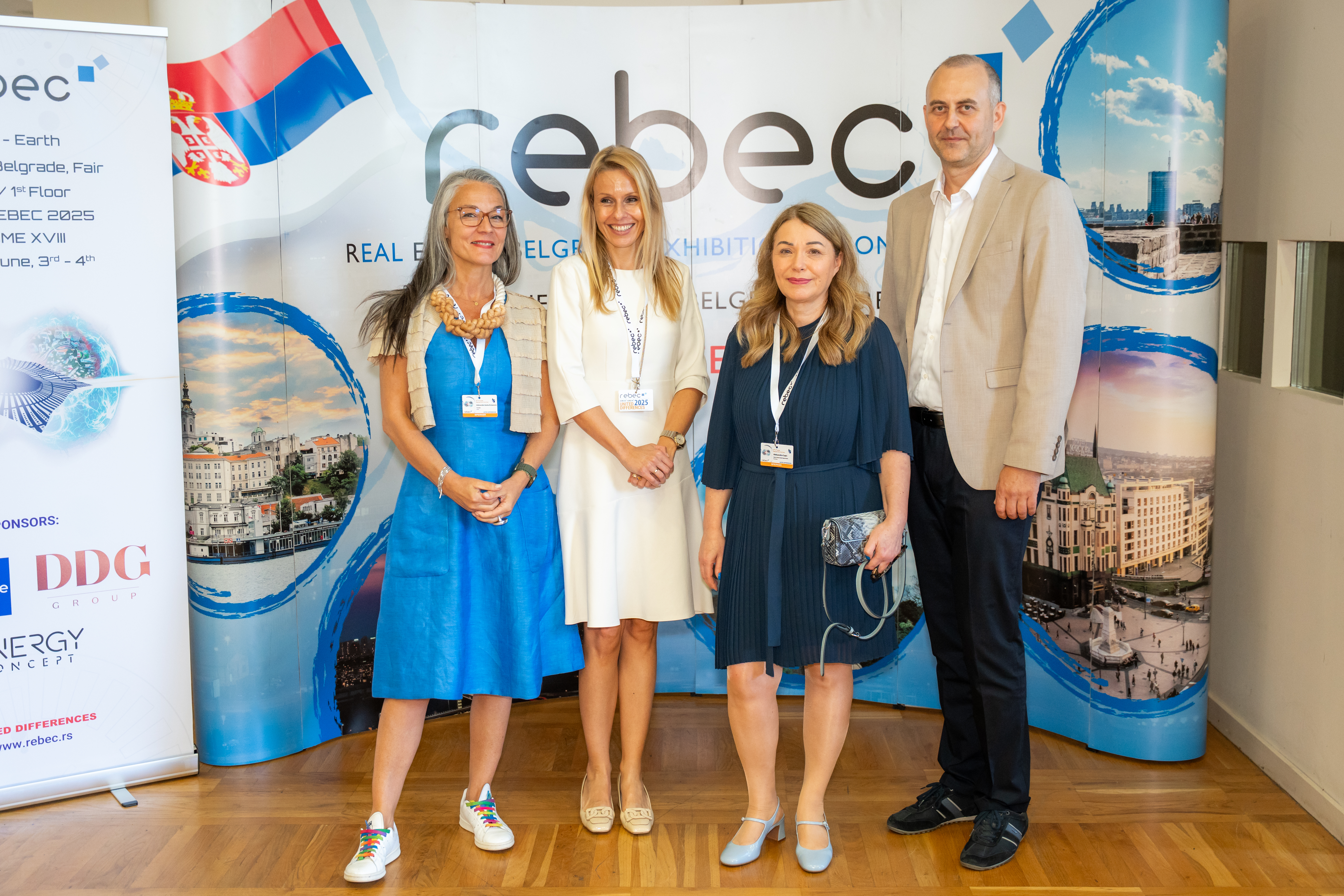
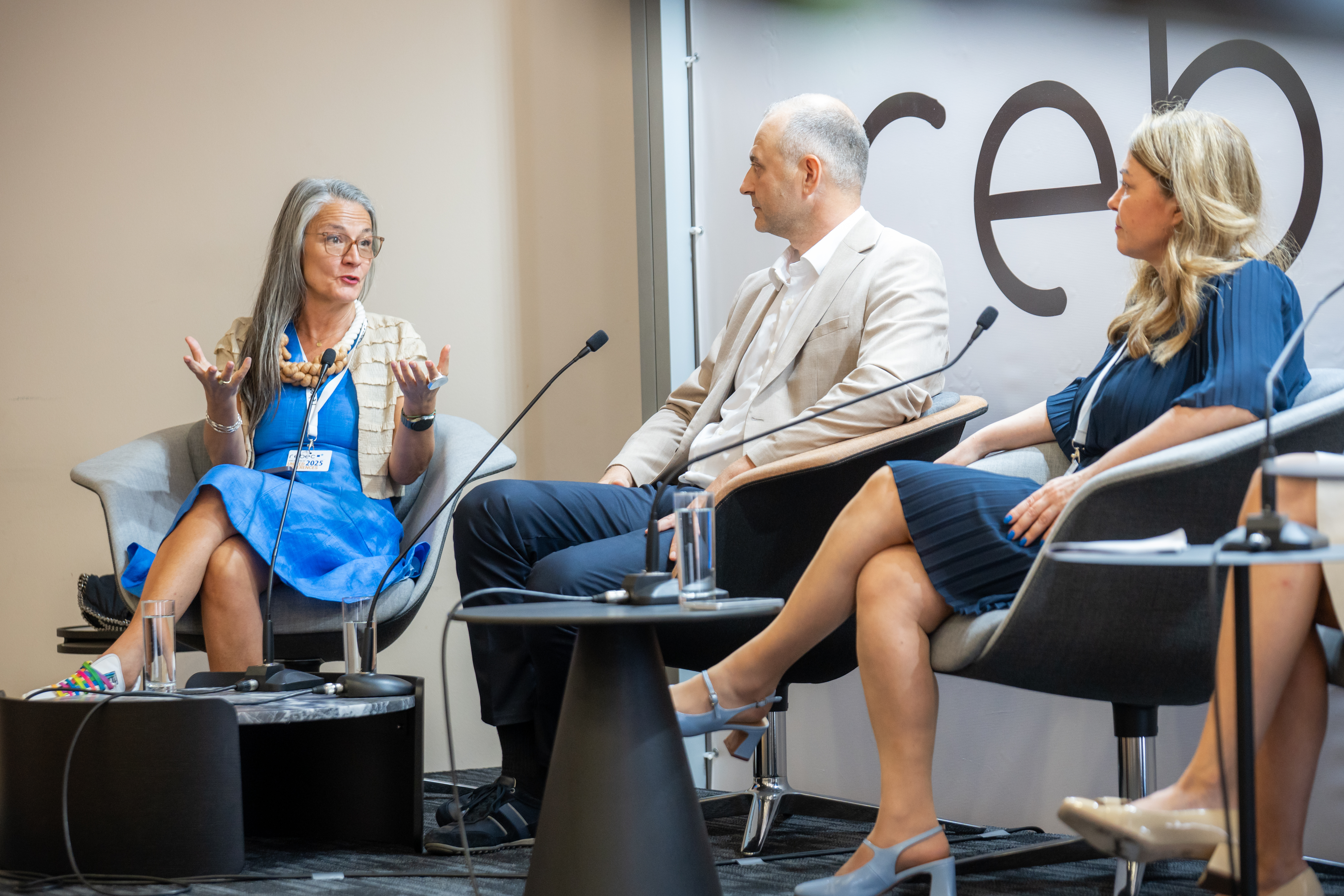
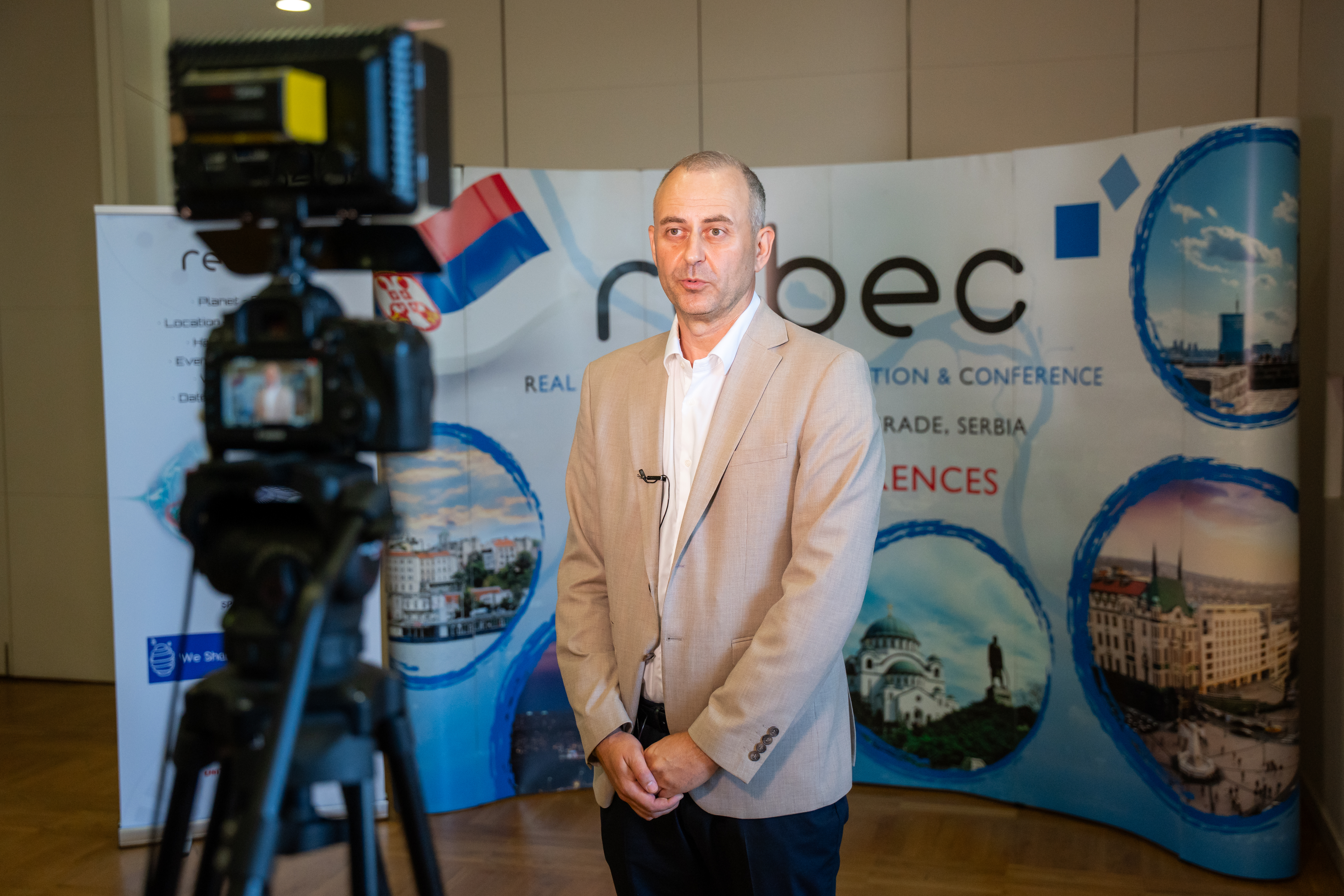

REBEC 2025: How to develop a successful housing project in SE Europe? – Advice from experienced investors
18th June 2025.
Aleksandar Opsenica
Editorial in Chief
AG Real Estate
REBEC
How investors, or developers of large housing projects, see the challenges and risks of investing in the real estate sector in the region, was discussed at the recently held REBEC 2025 conference by representatives of companies that are changing the landscape of Belgrade when it comes to housing construction.
1. BUSINESS MODELS AND PROCESS INTEGRATION
Leading investors and developers in the Southeast Europe (SEE) region are increasingly adopting end-to-end models that encompass the entire lifecycle of a project.
The One-Stop-Shop Approach: Successful firms manage the complete development chain internally—from land acquisition and permitting to architecture, construction, marketing, sales, and post-sale management.
Local Expertise vs. Foreign Consultants: Industry experience indicates that relying solely on international architects and designers during the initial phases can negatively impact local competitiveness. The optimal strategy relies on deploying local structural planners, engineers, domestic suppliers, and craftsmen, combined with the selective import of specific materials to optimize costs and meet target demographic needs.
2. DESIGN STRATEGY AND CUSTOMER RELATIONS
In a highly competitive residential market, investor focus is shifting away from mere aesthetics toward long-term sustainability and emotional value.
Quality Over Mass Production: The cornerstone of market success lies in meticulous attention to detail, functionality, and structural longevity. Projects are executed with a long-term vision—built for multigenerational, permanent ownership rather than rapid flipping or resale.
Emotional Connection and Community: Buyers are no longer purchasing raw square footage; they seek a living space with which they can forge an emotional bond. Modern development aims to build open, integrated communities that honor local culture and heritage, rather than constructing isolated, gated enclaves.
Urban Regeneration: Developers are targeting unique, historically or geographically significant locations. Through successful interventions, previously dormant or blighted urban zones are transformed and integrated with public infrastructure (such as linear parks and waterfronts), effectively dismantling old urban barriers.
3. TECHNOLOGICAL INNOVATION AND DIGITAL MARKETINGThe implementation of advanced PropTech (property technology) solutions has emerged as a primary market differentiator.
CRM Systems and Automation:
Companies are developing proprietary software platforms and automated sales CRM systems. Maintaining in-house development teams dramatically shortens the pipeline from initial lead generation to closing the deal.
Artificial Intelligence (AI) in Marketing: The integration of AI is recognized as a vital tool for generating highly personalized content and tailored communications that distinguish a project from its competitors. This technology allows for the rapid production of rich media for digital channels (such as Meta platforms), making continuous AI upskilling a global industry imperative.
Developing a successful residential project in the SEE region requires a delicate balance between high international operational standards and a deep respect for the local community and culture. Long-term profitability and premium valuation are not driven by mass construction, but by delivering a unique living experience, optimizing sales through technology, and building infrastructure that adds measurable value to the broader urban fabric.

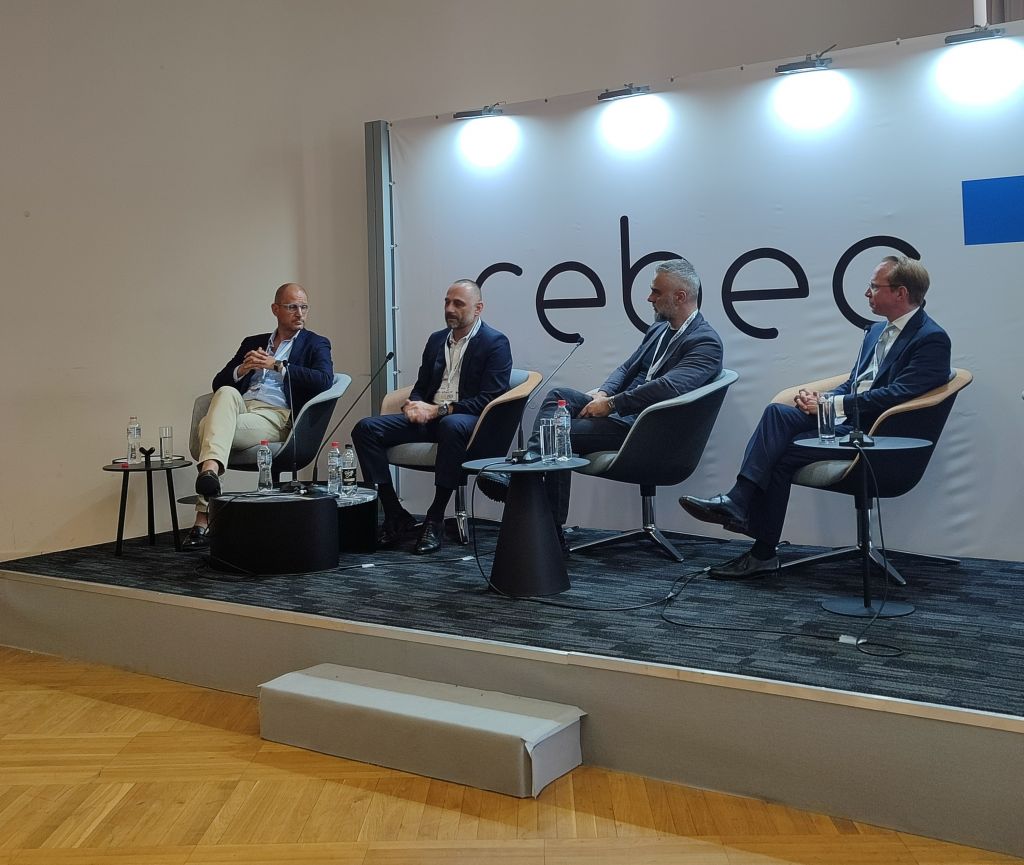


REBEC 2025: New horizons of logistics and industry development in SEE – Our region still very interesting to foreign companies
11th June 2025.
Aleksandar Opsenica
Editorial in Chief
AG Real Estate
REBEC
Investors have good reasons to come to Serbia. Our country, according to logistics and industry experts, is suitable in terms of price, permits, infrastructure... On the other hand, the problem of borders and customs is seen as a negative thing. Not only Serbia, but the entire region of Southeast Europe is still very interesting to companies from other parts of our continent, and it seems that it will be especially so in the coming years, not only because of the cheaper labor force but also because of the large number of experts, says the panel New Horizons of Logistics and Industry Development in SEE, which was held at this year’s REBEC 2025 conference.
1. INVESTMENT CLIMATE AND REGIONAL ATTRACTIVENESS
The Southeast Europe (SEE) region, with a particular emphasis on Serbia, maintains a high level of attractiveness for foreign investors from Central and Western Europe.
Core Advantages: Competitive operating costs, rapid infrastructure execution, a highly educated talent pool and engineering base, and comprehensive free trade agreements that open access to massive consumer markets.
Operational Bottlenecks: Complicated cross-border customs procedures and administratively slow permitting processes for greenfield projects remain primary challenges. Additionally, a temporary slowdown in EU capital deployment has led to a noticeable decline in active projects for general contractors over the past year.
2. INTERNATIONAL STANDARDS, FINANCING, AND SUSTAINABILITY
Although the local market operates outside the European tax framework, strict compliance with international compliance and environmental procedures is non-negotiable.
Green Financing: Adherence to sustainable practices is a mandatory prerequisite for securing green bonds, which offer significantly cheaper financing compared to conventional banking instruments.
Western Banking Mandates: International financial institutions increasingly tie capital approval to climate change adaptation and resilience compliance. Consequently, there is an urgent need for local market education on sustainability benchmarks and resilient building practices.
3. CLIMATE CHANGE AND FUTURE-PROOF INFRASTRUCTURE: The panel emphasized that climate change is no longer a future projection but an active reality impacting the region through extreme rainfall, prolonged heatwaves, and droughts.
Designing for Modern Climates: Regional industrial infrastructure must be engineered to withstand current and future extreme weather patterns, rather than relying on historical benchmarks from 20 or 30 years ago.
Certification Systems: Adopting international certification systems must be viewed not as a bureaucratic burden, but as vital technical expertise required to construct long-lasting, resilient assets.
4. ENERGY TRANSITION AND TECHNOLOGICAL TRENDS:
Solar Energy Investment: An increasing number of long-term investors are leveraging extensive land banks to build on-site solar power plants, aiming to permanently cut energy overheads. However, severe bureaucratic delays persist, with permitting timelines exceeding 18 months despite fully secured capital and equipment availability.
Emerging Automation: Automation and robotics are projected to have a transformative and disruptive impact on logistics operations in the coming years.
Macroeconomic turbulence invariably redistributes market strength, producing distinct winners and losers. By strategically prioritizing the development of intermodal terminals and transport corridors, and shifting toward talent-driven, sophisticated industrial projects, the region is highly positioned to capture substantial upside once European capital flows resume their momentum.

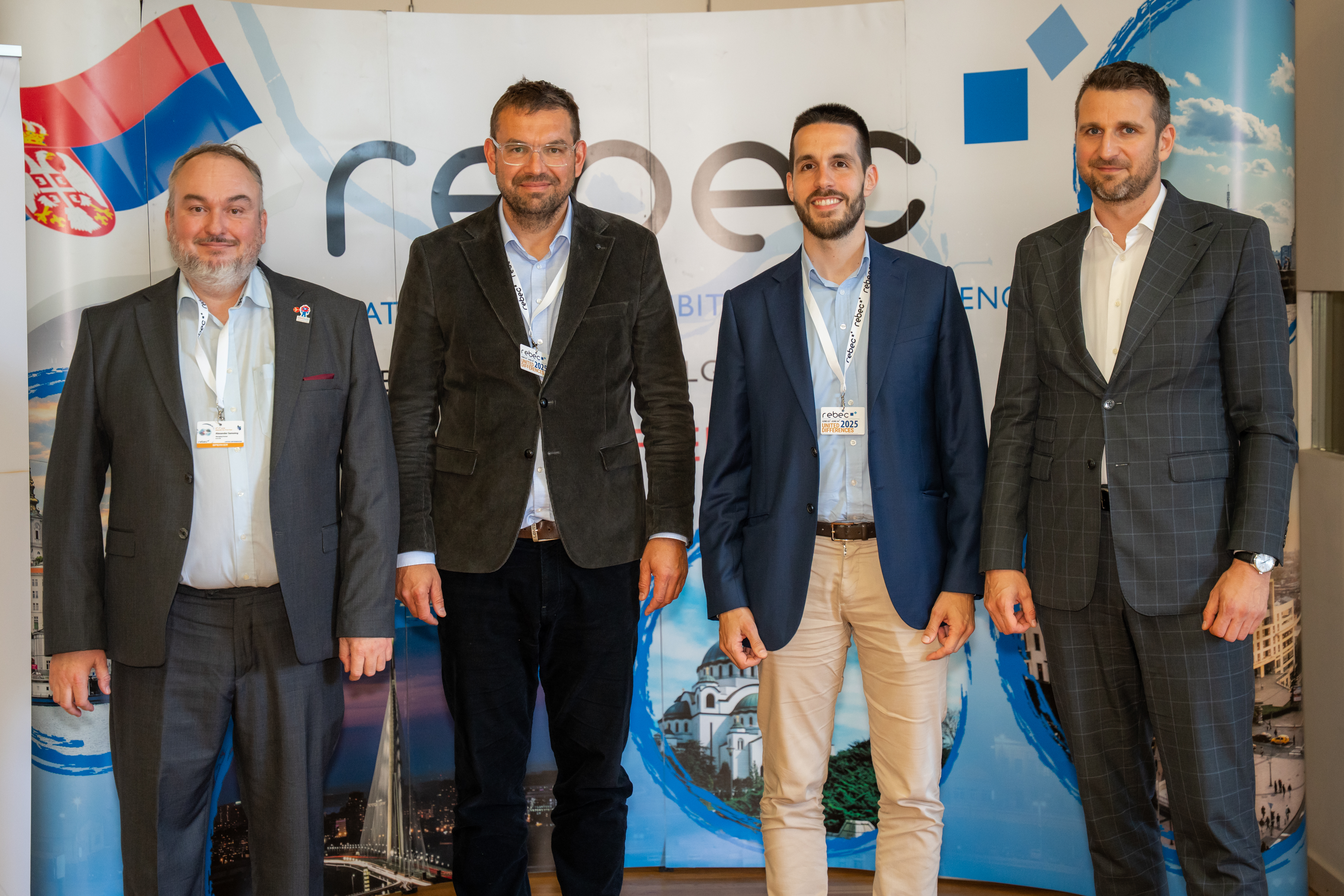
REBEC 2025: Office Development in the SEE Region – Clients becoming more sophisticated every year
9th June 2025.
Aleksandar Opsenica
Editorial in Chief
AG Real Estate
REBEC
The supply and demand market for office space in our region is currently healthy and all marketing sectors are doing well in this regard. Although the situation in the country is not the best, the real estate market is adapting, it has learned to function in such circumstances. It has shown this resilience both after the pandemic and after the current wars, and even now when we have a more unstable political situation, so there is no reason to worry, it was said at the panel “Office Development in the SEE Region”, held as part of the REBEC 2025 conference.
1. MARKET TRENDS AND RESILIENCE: The supply and demand dynamics of the office space market in the Southeast Europe (SEE) region are currently stable and healthy, with all commercial sectors performing efficiently. Despite unfavorable macroeconomic factors and a volatile political climate, the real estate market continues to demonstrate a high level of resilience. The sector has successfully absorbed the pressures brought on by the pandemic and global conflicts, seamlessly adapting to new operational landscapes with no indicators of systemic risk or concern.
2. CLIENT SOPHISTICATION AND ESG COMPLIANCE: There is a clear, year-over-year upward trend in client sophistication. Today's tenants possess an in-depth understanding of market parameters and maintain exceptionally high expectations.
The Core Prerequisite: Properties can no longer be easily commercialized or leased unless they are fully aligned with ESG (Environmental, Social, and Governance) standards.
Attention to Detail: Client focus has shifted heavily toward granular workspace parameters, such as indoor air quality, optimized lighting systems, and biophilic office design (indoor greenery).
3. THE TRANSITION TOWARD "ECOSYSTEMS" AND PARTNERSHIP:A fundamental shift has occurred in the very nature of the product delivered to the market. The strategy of modern developers is moving away from merely leasing traditional square footage and toward creating comprehensive business ecosystems.
Culture and Needs: Tenants actively seek spaces that reflect their corporate culture and cater to the individual well-being of their workforce.
Value-Added Services: Clients place a premium on end-to-end operational support and services, rather than just raw square footage. Developers are no longer viewed merely as landlords, but as strategic partners.
The Purpose of Space: The panel emphasized that outfitting an office with desks and chairs is no longer sufficient. The primary focus must be on health, well-being, and a clear understanding of the purpose behind bringing people together in a physical environment—a dynamic that requires continuous evaluation.
4. REGIONAL POTENTIAL AND STRATEGIC PROJECTS: Panels suggested reclassifying the SEE region from an "emerging market" to a "promising/high-potential market."Novi Sad as a Strategic Hub: Novi Sad has been recognized and positioned as one of the most promising regional hubs for office space development, triggering new large-scale projects that are expected to drive competitive market reactions.Urban Redevelopment in Belgrade: The capital city is experiencing an intensive wave of retrofitting and reconstructing older commercial assets, transforming them into modern, state-of-the-art office spaces tailored to contemporary standards and hybrid work models.
5. CONCLUSION AND FUTURE OUTLOOK: The future development of the market requires an accelerated dialogue regarding hybrid business models. This includes the strategic integration of residential and coworking components within diversified, mixed-use assets. Strikingly strict adherence to sustainability principles remains an industry imperative, with the ultimate objective of bringing regional market standards into total alignment with EU corporate benchmarks.

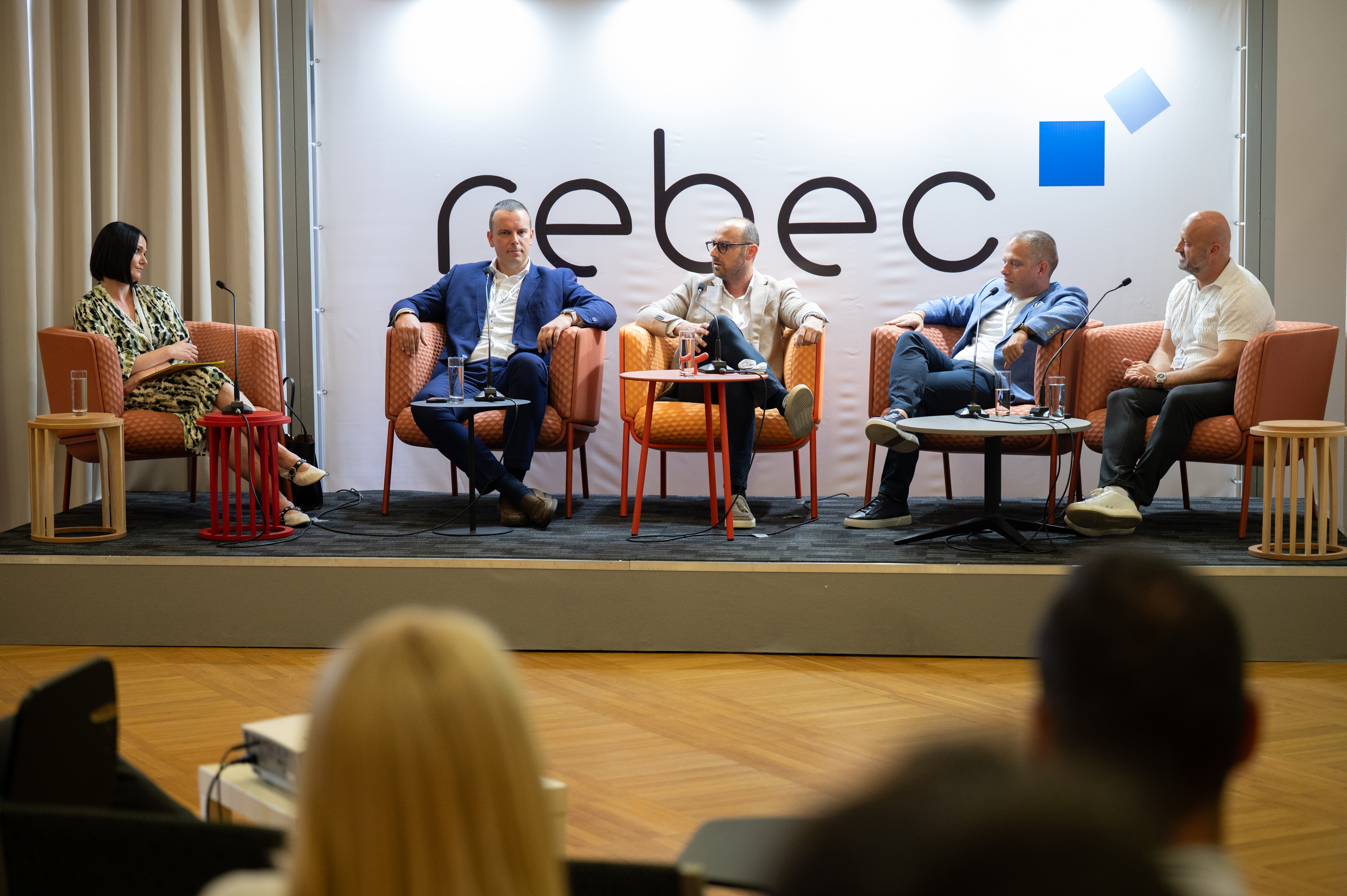
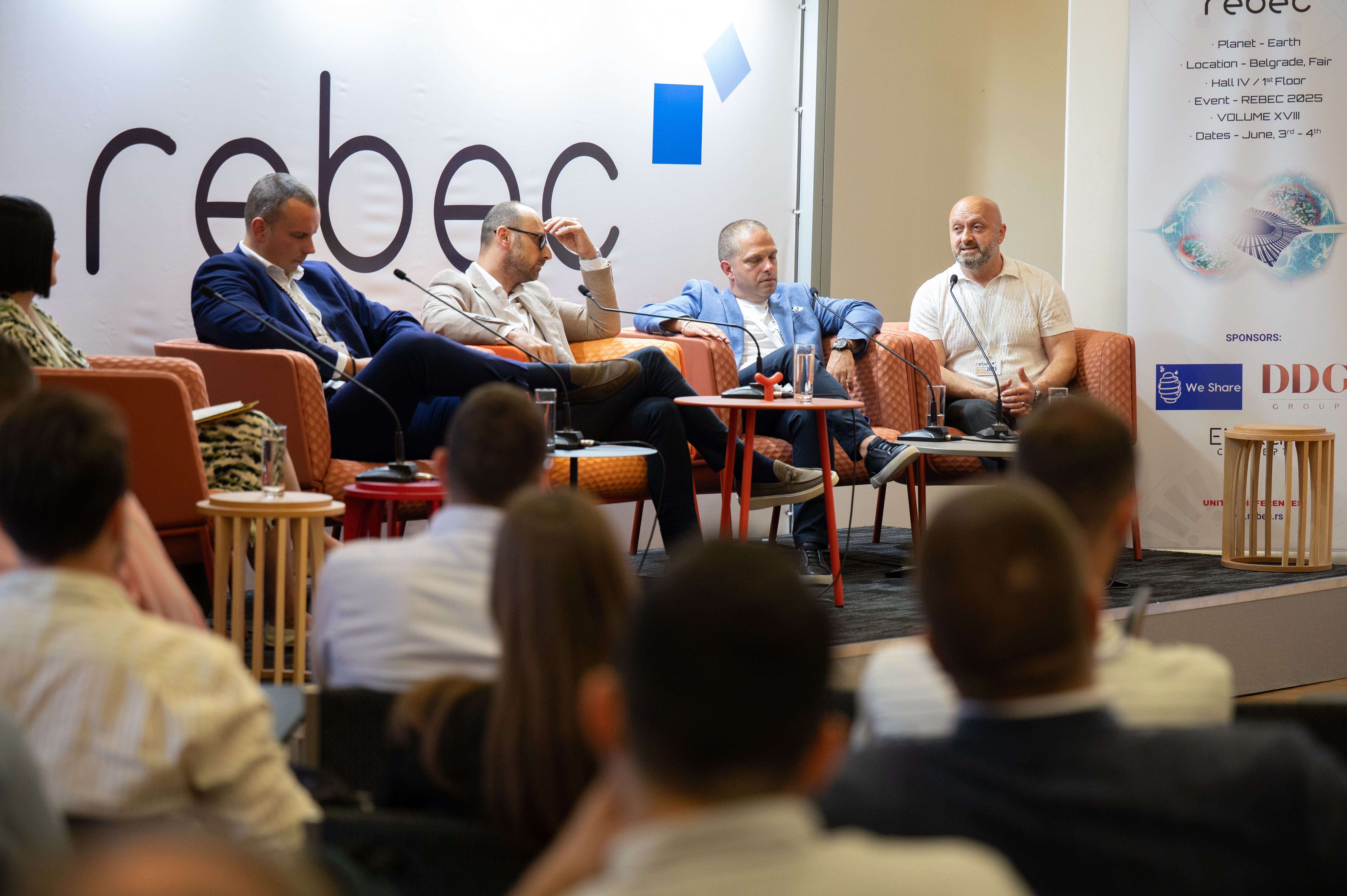

REBEC 2025: Are Belgrade’s hoteliers ready for EXPO?
7th June 2025.
Aleksandar Opsenica
Editorial in Chief
AG Real Estate
REBEC
With the upcoming Expo 2027 just around the corner, Belgrade's hospitality sector is facing a major litmus test as it prepares to accommodate millions of expected visitors. While new properties are being rapidly constructed, the local hotel industry is navigating a period of heightened stress and operational pressure. Recent market fluctuations have already triggered a temporary 6% dip in hotel occupancy, while the short-term rental market has taken a sharper 20% hit. Despite these turbulent waters, industry leaders warn that short-term fixes—such as downsizing operations or laying off staff—would be counterproductive. Such knee-jerk reactions would force hotels to rebuild their recruitment and training pipelines from scratch next year, which is fundamentally unsustainable. However, the most pressing operational hurdle remains the chronic shortage and instability of the workforce.
The local labor market is currently defined by a harsh reality: half of the job applicants fail to show up for scheduled interviews, and a quarter of those hired vanish on their first day after securing other opportunities. Faced with these compounding pressures and an increasingly demanding domestic workforce, several high-end hotels have successfully pivoted to sourcing talent from abroad—namely Kenya, Egypt, Nepal, and the Philippines—even placing them in guest-facing roles. Conversely, properties that spent the last three years investing heavily in stabilization, training, and employee engagement have managed to retain solid domestic teams. While overall staff turnover across the industry sits at a staggering 50%, that figure drops to a mere 10% among employees who stay with a hotel for over a year. Opening new luxury properties in such a fiercely competitive environment requires aggressive talent acquisition and out-of-the-box thinking. Some operators have found a lifeline in regional partnerships, cross-boarding staff with neighboring countries like Croatia during alternating peak seasons to ensure long-term retention.
While Belgrade’s innate warmth and hospitality are widely considered its greatest assets, the underlying problem is that this unique selling point remains largely unrecognized outside of Serbia. Beyond staffing headaches, hoteliers point to a glaring lack of a cohesive national and local tourism strategy. A prime example is the paradox surrounding state subsidies, which allow certain hotels to operate business-as-usual until the very start of 2027, effectively keeping hundreds of workers away from directly contributing to the Expo ecosystem. Furthermore, there is a visible tendency for hotels to focus solely on their own micro-development, while the broader urban context—such as proper city signage and general infrastructure—is left by the wayside. Compounding this challenge is the confusing state of official data, which fails to differentiate actual tourists from foreign nationals who have permanently relocated to the capital, clouding strategic decision-making. Nevertheless, there is an overarching sense of optimism that Expo 2027, with its theme bridging sports and music, offers the perfect platform to reshape the country's image and dismantle outdated safety stereotypes about Belgrade.
The consensus is that the event should not be viewed as a fleeting 90-day affair, but rather as a launchpad for decades to come. In this light, the newly renovated Sava Centar is seen as the cornerstone of future growth, anchoring high-yield mice (meetings, incentives, conferences, exhibitions) tourism and allowing Belgrade to go toe-to-toe with premium destinations like Prague and Budapest, rather than just competing regionally. To get there, the industry must shed the narrative of being a "cheap food and drink" destination—especially since restaurant prices have risen sharply—and pivot toward developing a premium market segment. Finally, running a world-class operation will require ironed-out logistics within the supply chain, which currently struggles with importing luxury goods, fresh flowers, and high-end ingredients, as well as addressing basic infrastructure gaps like the shortage of industrial-scale laundry facilities. Ultimately, the future of Belgrade's hospitality sector will hinge on leadership capable of inspiring teams and instilling a genuine passion for the craft.

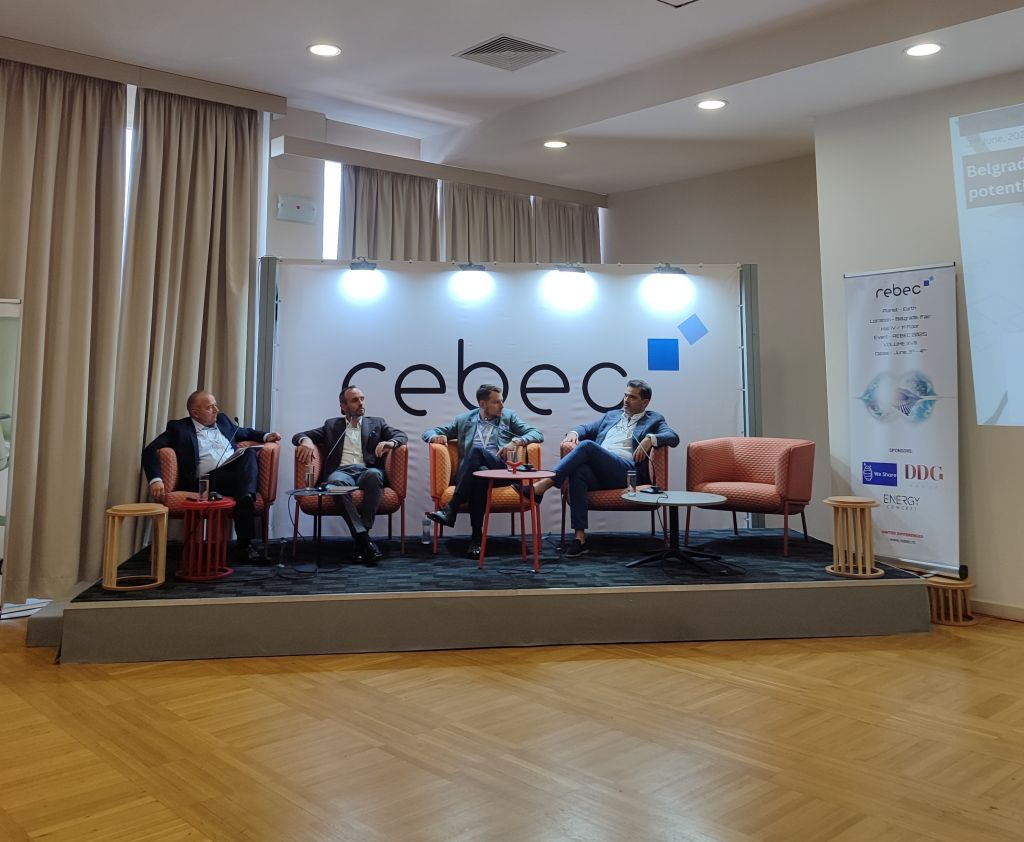
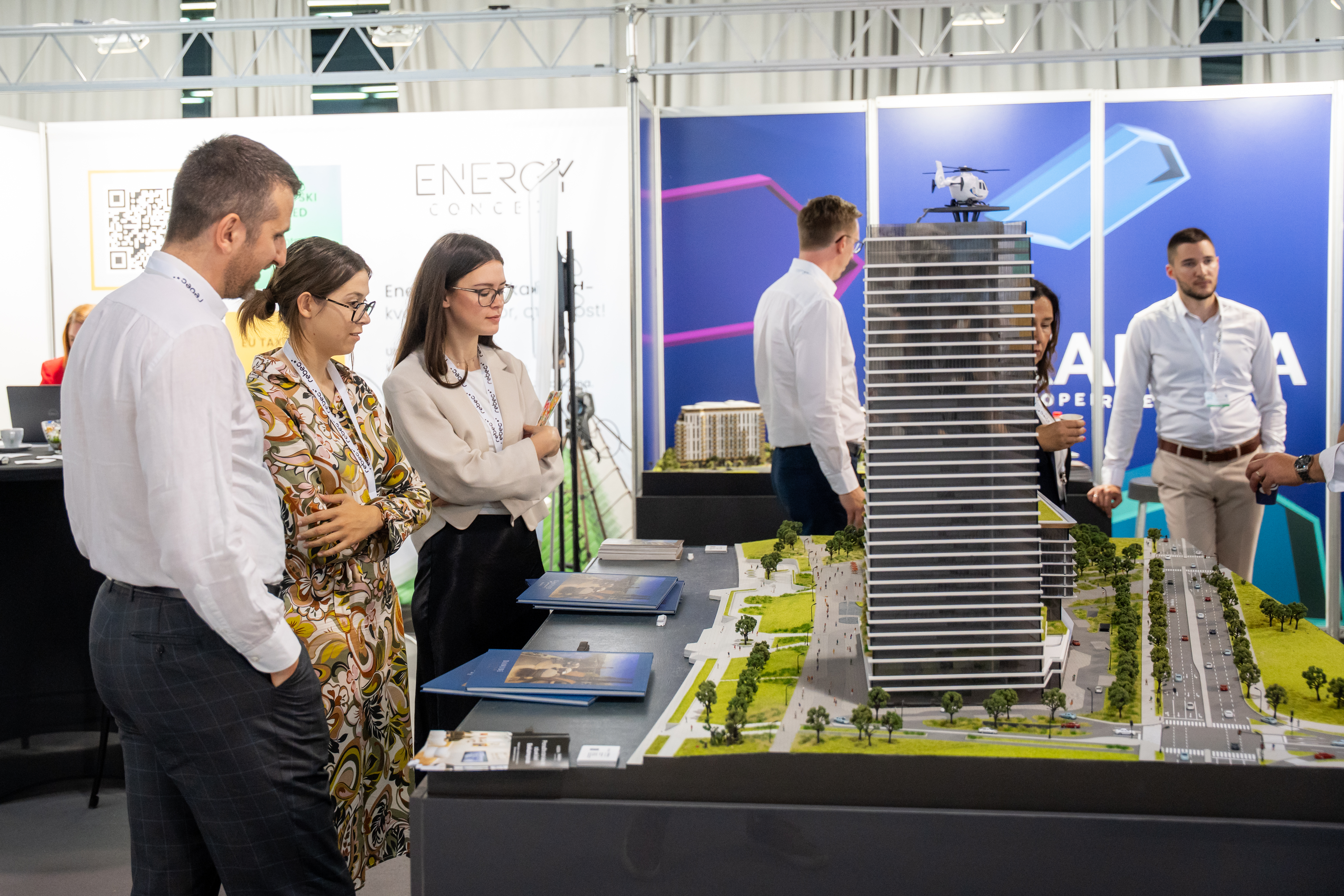
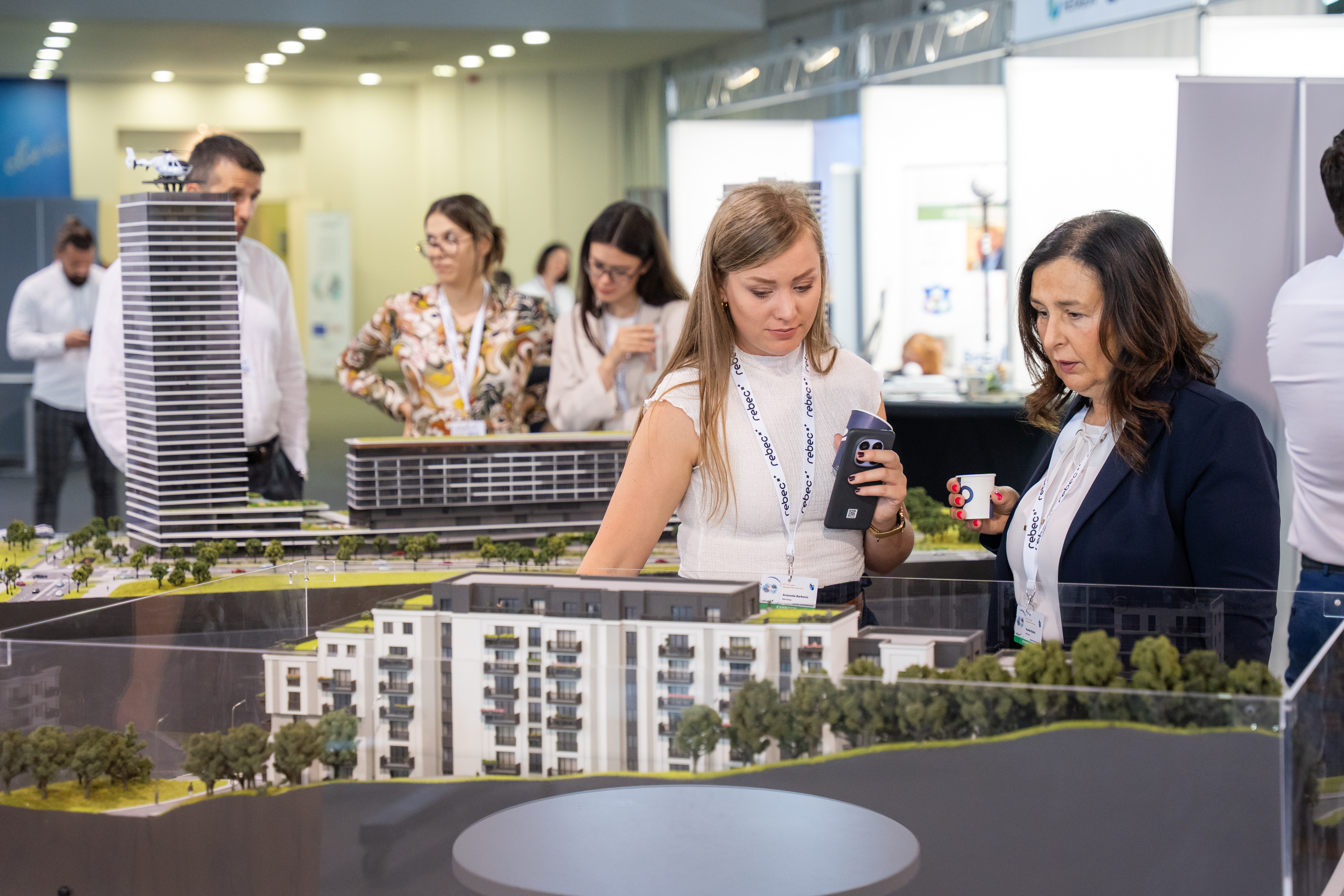
REBEC 2025: Regional hotel sector – “An underrated artist who played in small pubs for years”
5th June 2025.
Aleksandar Opsenica
Editorial in Chief
AG Real Estate
REBEC
The hotel sector in the Southeastern European region is developing at an ever-increasing pace. More and more well-known global brands are entering the regional market, especially in the surrounding coastal countries, which are becoming increasingly attractive to foreign tourists. Not only hotels, but also apartments and condominiums are being built to meet different needs and demands, but also because many investors see such projects as more profitable in the long term.
How the growing momentum in the hospitality industry affects the development of local communities in the region, how sustainable are the projects currently being developed, what priorities are in the focus of brands coming or already operating in this region, what are the priorities of investors and whether there is an appropriate balance between them, as well as what are the prospects for the development of this sector in the coming years, these questions were given insight into at the panel “The most important tendencies in the development of the hospitality industry in the region” held as part of the REBEC 2025 conference.
Nicholas Dimopoulos, Development Manager for Greece, Italy and Cyprus at Wyndham Hotels & Resorts, believes that Southeast Europe in this area has been like a kind of underrated artist who has been playing in small pubs and small venues for years, and suddenly everybody realizes that they are talented and everyone wants to have a ticket to their concert.
Majlind Lazimi, Managing Partner at Horwath HTL from Albania, speaking about investments in this area, believes that in recent years, many construction companies that were investing in real estate, in terms of residential and commercial buildings, have diversified their portfolio and basically expanded their investments into hotels. In his opinion, it all boils down to the relationship between investors and brands that come to the market. Kruno Santini, Head of ECM Adria Region, believes that if a country or a market has a well-designed offer, the attractiveness of the market is definitely there.
The panelists also pointed out that there had been a recent increase in the interest in this market even from international investors, mainly from the Middle East. The interest of brands and investors in this region is good, but they agreed that it was necessary to simultaneously think about the development of sustainable tourism. This is not easy if we know that investors want to have a return on investment in the next few years, and not wait a decade. Therefore, they assessed, it is important to work on educating investors.
One of the good things in this process, they stated, is that international investors are joining forces with local investors on certain projects. However, they warn, tourism should not only be about attracting foreign tourists, but care must also be taken to best align the lives of the local population with their expectations, without countries in the region becoming like Italy and Spain, where due to the huge number of tourists, the local population no longer feels comfortable during the tourist season.
The panelists’ advice to investors and brands who want to be present in the markets in our region is that, before entering a new market, they should first try to understand the context, that brands should cooperate with local investors, and that international investors should identify the right local partner, the right mindset, the right financial and investment perspective, which would be long-term.
The lessons learned in this region indicate that you should never underestimate local knowledge and experience, because in every project, success is not based on something that was designed somewhere abroad, somewhere outside, but is based on listening and following the needs and lifestyle of each region, including ours. One of the conclusions of the panel is that you should listen, listen to clients, but also understand the local market and the environment, trying to accept the local environment.

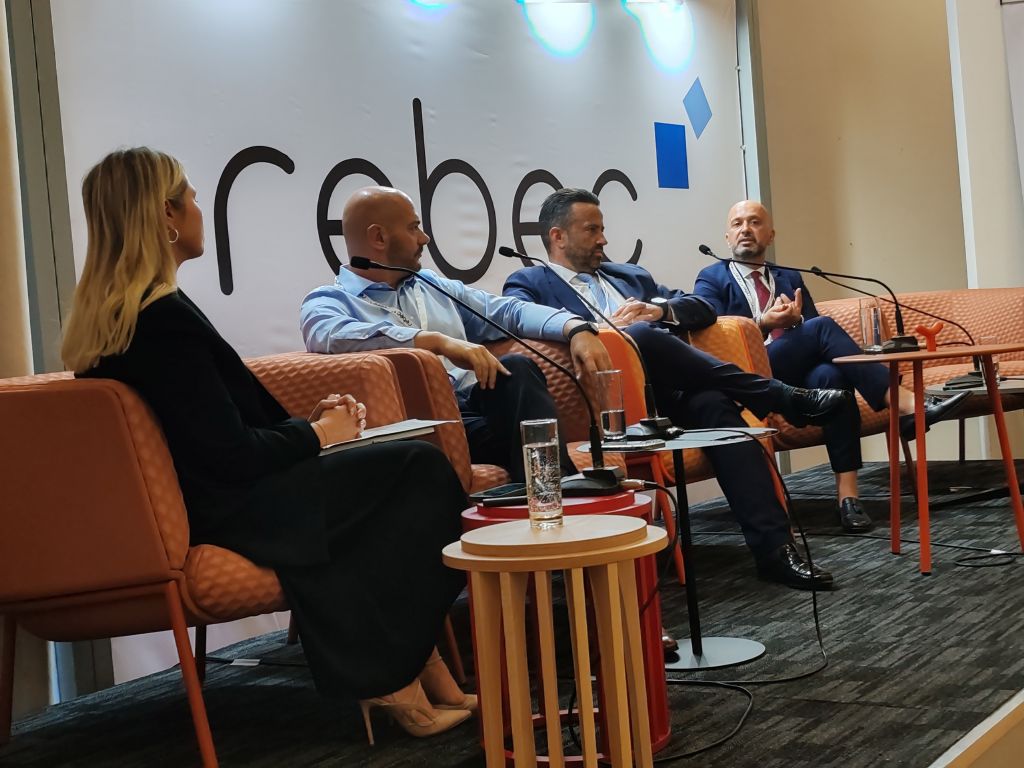
The biggest ones to gather under the sky dome – REBEC 2025, Vol II
30th May 2025.
Aleksandar Opsenica
Editorial in Chief
AG Real Estate
REBEC
The 18th REBEC 2025 will be held on June 3-4, in Hall IV of the Belgrade Fair. In this way, the organizer of the largest event in the field of real estate development in Southeast Europe pays tribute to the institution of the Belgrade Fair - a symbol of vision, development and great architectural ideas.
In the eighteen years of its existence and development, starting in 2008 and continuing until today, REBEC has been a mirror of the local, regional and international state of real estate development. Every year, first-class professionals gathered in Belgrade, sending messages and guidelines for further progress and development of real estate.
This year’s topics of our time
In the Sava Hall, representatives from Gensler from Berlin, Arcadis from London and Parcnouveau from Milan will present to us the main guidelines and trends in the development of urbanism and architecture, related and dedicated to each specific type of real estate development.
On the second day, June 4, in addition to the retail-oriented topics in the Danube Hall, the program in the Sava Hall will start with a discussion on the impact of artificial intelligence and digitalization on real estate development. Before lunch, there will be a panel dedicated to the EU taxonomy, and after lunch, a panel with the largest number of speakers so far, which is attracting increasing interest. It is a panel discussion on the topic of office space development.
Return to factory settings
On this occasion, we would like to specially and additionally highlight this year’s REBEC exhibitors.
Kadena Properties will specifically promote three projects, the development and sale of which they lead with their expertise. The Kraljeve cesme project, in addition to the model, will present its model of service apartments. The project on the Danube, Marina Dorcol, will be shown with the help of digital technology on interactive screens. Alfa Hotel Management will present “The Isolano”, a 5-star boutique hotel in the Lungo Mare location on the island of Cres under the Autograph Collection brand from the Marriott group.
The block of exhibitors presenting technological, digital and similar products that have their application in the real estate development processes consists of PlanRadar, Vekom & Multivista, Fluks Trade FV and Dahua Technologies.
The event sponsors are DDG Group, We Share Space and Energy Concept. We Share Space will position its model of modern offices in the fair area, DDG Group will present the implementation of two grandiose undertakings: the construction of the first Marriott by Marriott hotel and the reconstruction of the impressive Mövenpick Hotel & Residences Kvarner Bay complex.
Energy Concept will showcase its extensive expertise in improving the energy performance of buildings, building thermal analysis and sustainable building concepts. Their experience includes energy audits, thermographic imaging and Blower-Door tests.


The biggest ones to gather under the sky dome – REBEC 2025, Vol II
20th May 2025.
Aleksandar Opsenica
Editorial in Chief
AG Real Estate
REBEC
The XVIII in a row - REBEC 2025 - will be held on June 3-4, in Hall IV of the Belgrade Fair. This way, the organizer of the largest event in the field of real estate development in Southeast Europe is paying tribute to the institution of the Belgrade Fair - a symbol of vision, development and great architectural ideas.
REBEC, which brings together and connects not only the most prominent professionals from the entire SEE region, but also from more than 40 countries around the world, fosters precisely those values that the creators of the Fair had, as well as all those who have preserved its reputation and importance over time.
If Milorad Pantovic (one of the designers of the Fair), Branko Zezelj (one of his best construction designs is Hall I) or Milan Krstic were among us, they would certainly be prominent speakers at the REBEC conference, and models of their projects would be exhibited within the REBEC exhibition space.
At the time it was built, the dome of Hall I of the Belgrade Fair was unique in the world - an engineering and architectural marvel of its time. This dome is also a symbol of the grandiose history that was created under it, as well as our aspirations to walk on the world stage on an equal footing with today’s greatest minds and pioneers.
Apart from the fact that it was built using domestic architectural knowledge and technologies, and only 15 years after the end of the Second World War at that, what fascinates us even more is the courage of our greats to consider our undertakings in a magnificent and extremely sovereign way and to recognize our space as a place of great international meetings, merging of differences and exchange of great ideas. Our Fair is, in every sense, a representative of a world metropolis.
This complex, from which the broadcasting of the experimental program of the TV Beograd began in 1958, in which grandiose fashion shows were held, photos of which were published in the world’s largest magazines (Vogue) and in which Eric Clapton and Louis Armstrong performed, has survived in its grandeur and resisted adversity so much that it has imperceptibly accustomed us, but also obliged us to dream big.
The Belgrade Book Fair is widely known, and the Auto Show, although not the largest, has a unique visual stamp, in the form of a light pattern that falls from the Dome and is outlined on the bodies of the latest models of world car brands. And it is precisely in this example that we see how bold ideas of brilliant minds have the ability to leave an imprint and shape the future in the most diverse ways.
Between Milan, Istanbul, Budapest and Athens
Belgrade is the only metropolis in the region between Milan, Istanbul, Budapest and Athens and it is quite natural that it strives for great achievements. And that it is possible to realize great events here is proven not only by our former fair history, but also by the fact that extremely serious events are constantly created and held in Belgrade, such as REBEC, which is celebrating its 18th anniversary this year, with guests and topics that any metropolis would be proud of.
REBEC was founded in 2008 and was boldly designed after the MIPIM, a world event held in Cannes. It is no coincidence that its logo depicts the confluence of the Sava and Danube rivers, with the motto “United Differences”.

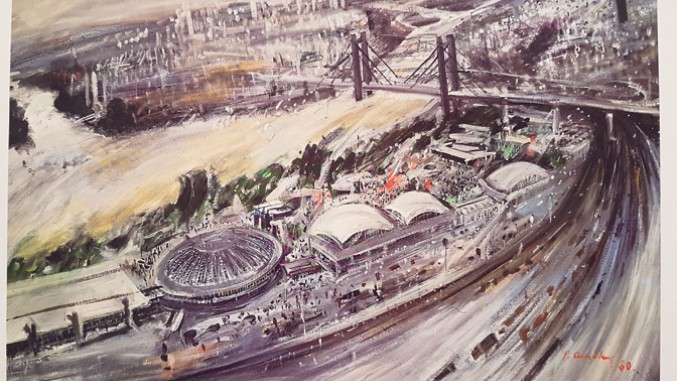
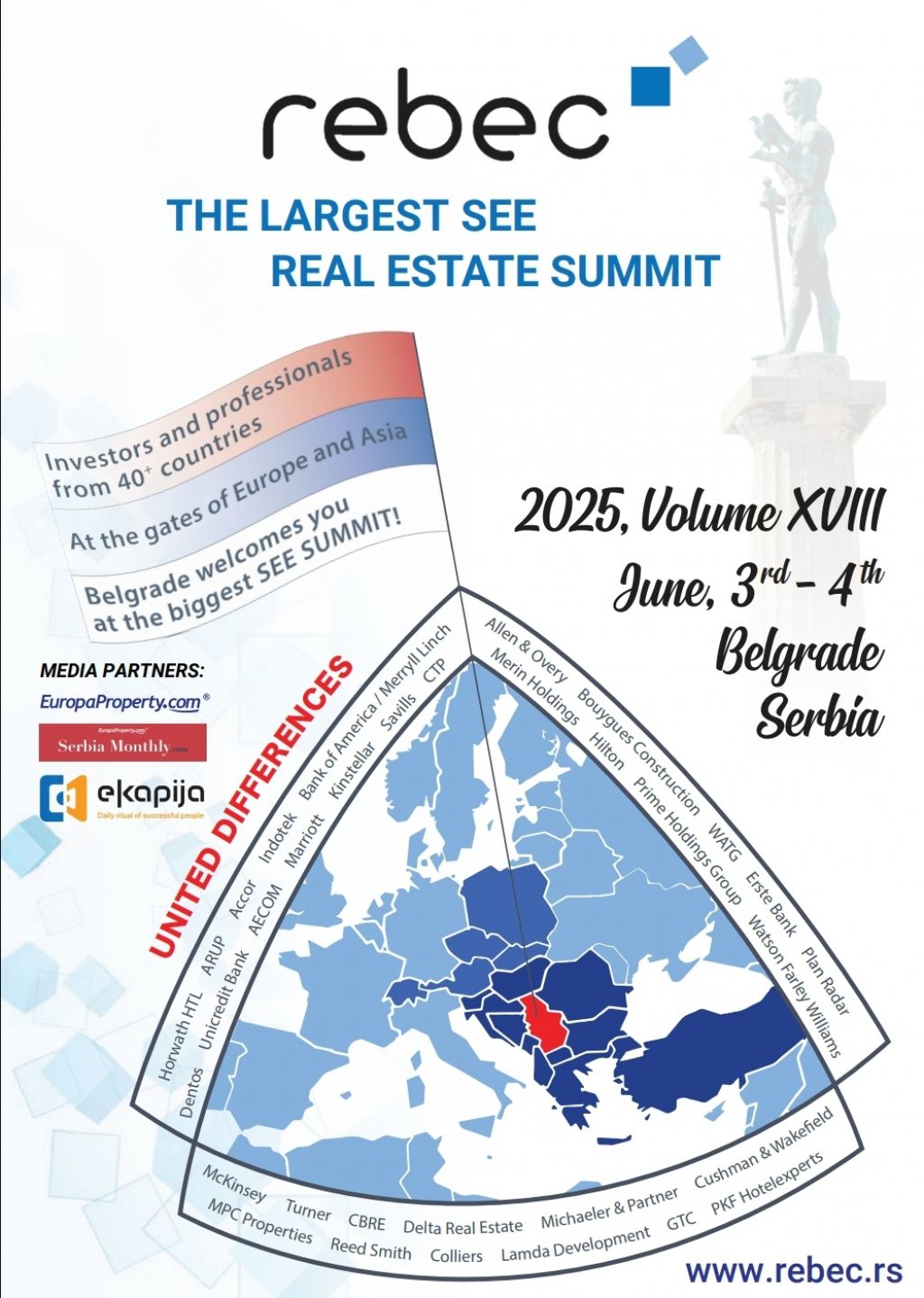
CTP develops 18,000 m2 production facility in Serbia
10th May 2025.
Aleksandar Opsenica
Editorial in Chief
AG Real Estate
REBEC
CTP has developed a new 18,000 sqm build-to-suit production facility for Schott Pharma, a supplier of pharma drug containment solutions and delivery systems, at CTPark Jagodina in Serbia.
The company will use the facility to produce high-quality glass ampoules for vaccines and other medications. This expansion marks a significant addition to Schott Pharma's global manufacturing network, which now spans 15 countries.
The new facility will employ 180 people and complements the company's existing network of 10 ampoule manufacturing sites worldwide.
CTPark Jagodina is located off Serbia's A1 highway and close to major cities like Belgrade (135 km) and Niš (100 km), with direct road links to multiple EU markets.
The project spans 22.9 hectares, with 33,000 sqm already built and 88,000 sqm planned for future development.
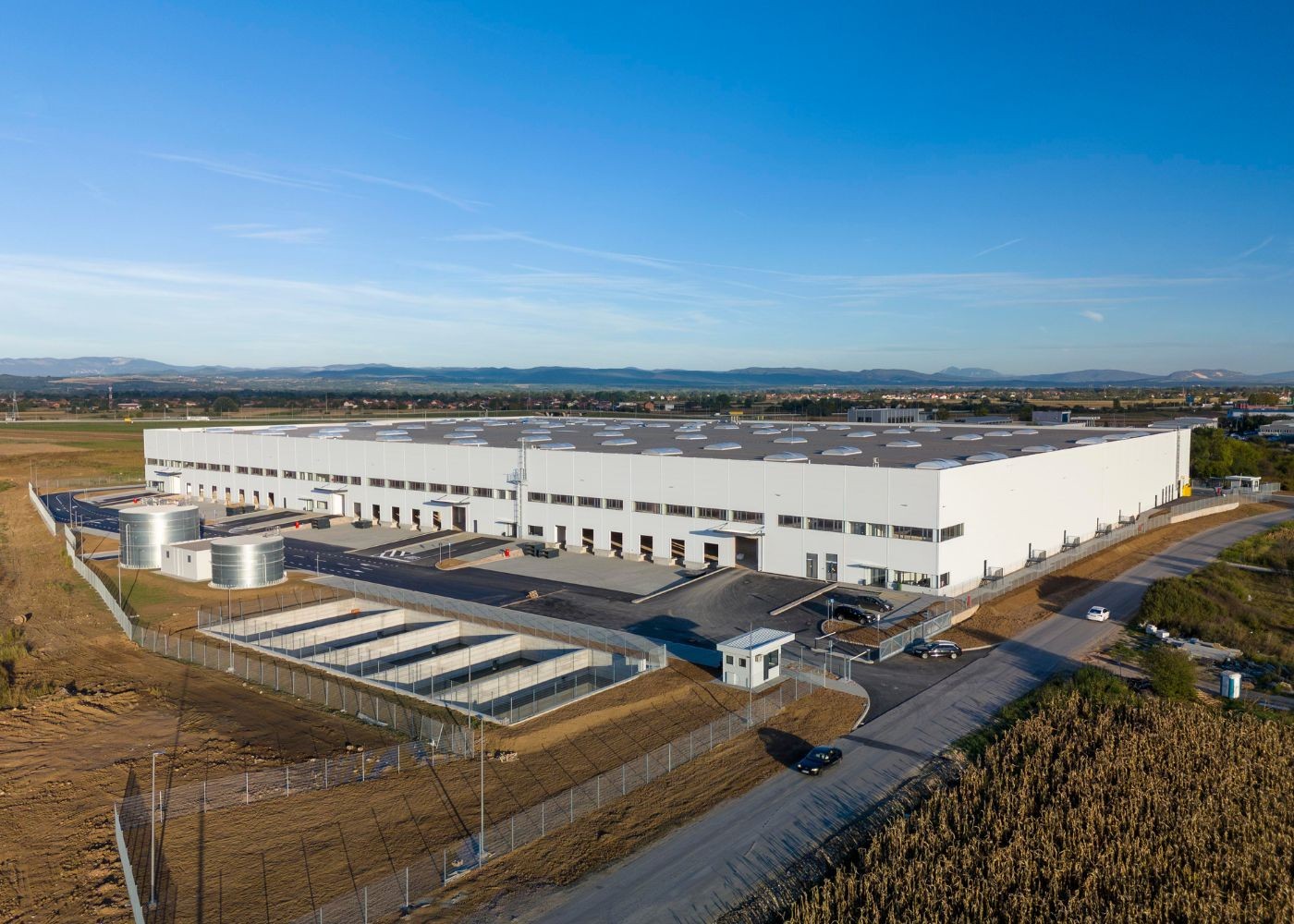
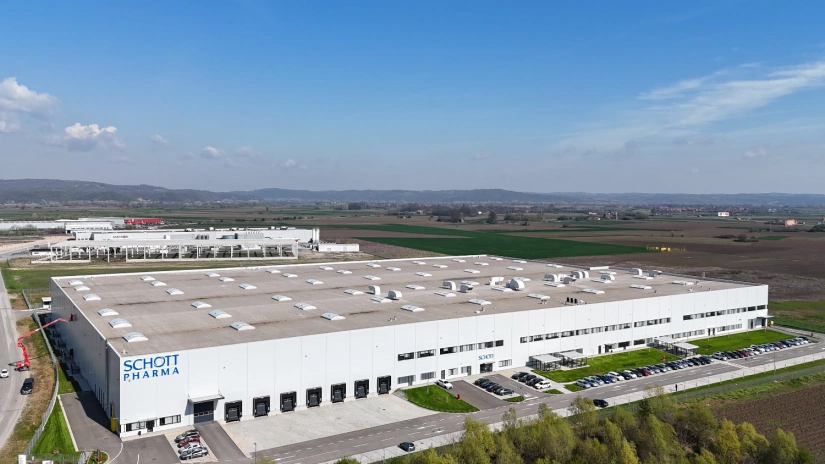
CA Immo is withdrawing from Serbia by selling office space
20th April 2025.
Aleksandar Opsenica
Editorial in Chief
AG Real Estate
REBEC
CA Immo has ended its strategic withdrawal from the Serbian market by selling the business center "Sava Business Center" in Belgrade.
This transaction is in line with CA Immo's ongoing strategy to focus its investment portfolio on prime office space in its key markets.
The sold office building has an area for rent of about 19,600 square meters. At the end of 2024, capacity occupancy was over 95%, and the facility generated annual gross rental income of approximately 4.0 million euros.
As of 2018, CA IMMO has withdrawn from Romania, Slovenia, Bulgaria, Russia and Croatia, as well as all non-primary cities in Hungary, Austria and Poland. With this sale in Belgrade, CA IMMO is exiting another market that is not the focus of their business, thus improving portfolio focus and overall cost efficiency, and redirecting portfolio exposure to high-quality, modern commercial properties in our key markets.
The proceeds from the sale of CA IMMO will support its investment program, which includes the expansion of its portfolio of projects under development in Berlin, as well as potential acquisitions.
CBRE acted as an intermediary in this transaction, while CA Immo was provided legal advice by the CMS law firm.
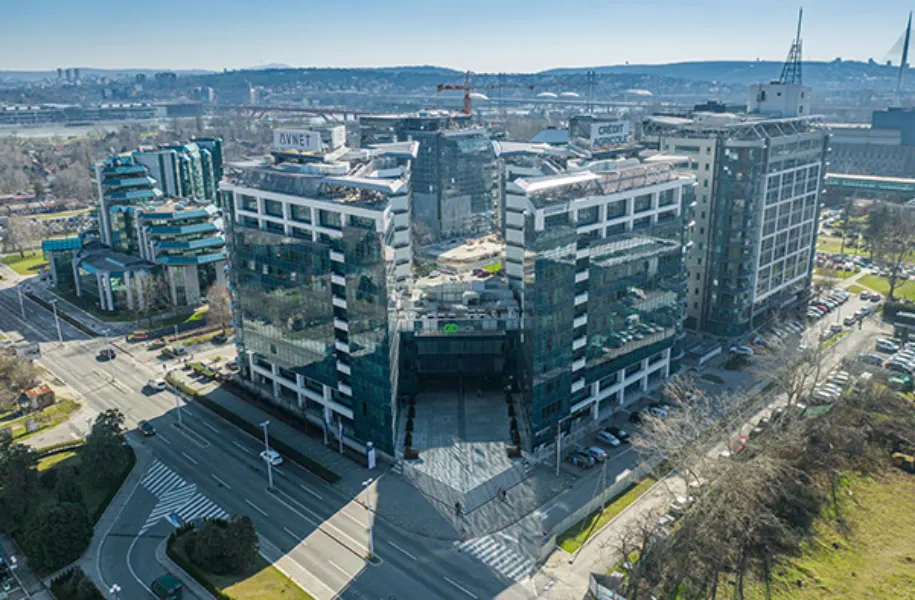
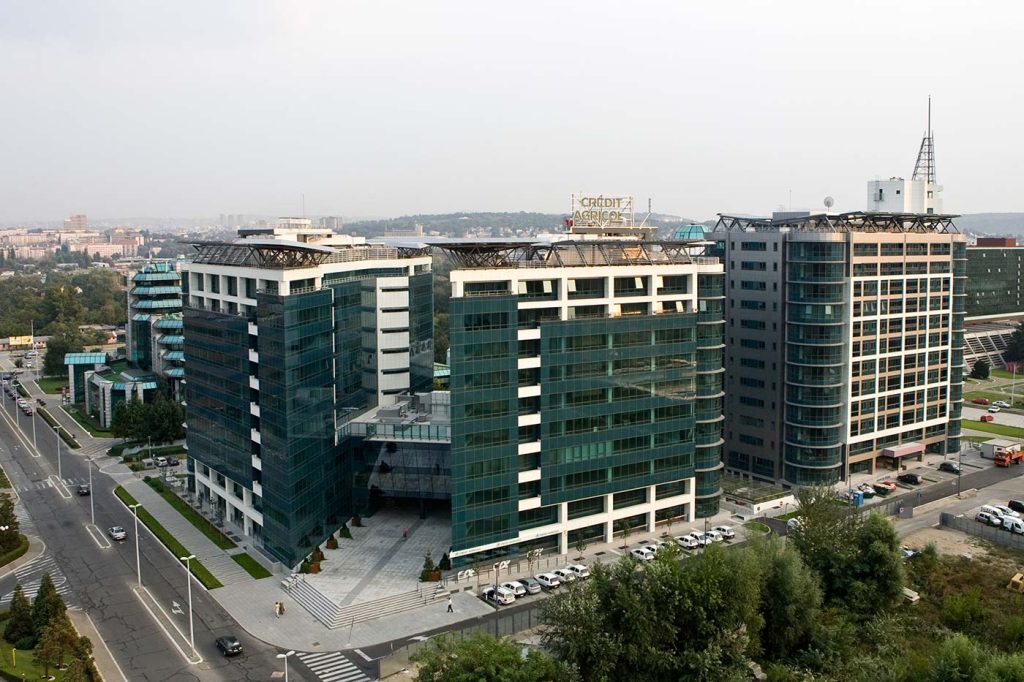
The Croatian construction sector is growing despite the economic slowdown
15th March 2025.
Aleksandar Opsenica
Editorial in Chief
AG Real Estate
REBEC
The Croatian construction sector faces a complex environment in which various economic and political signals are intertwined, which creates uncertainty regarding its future. Although business optimism and indicators in tourism are at a high level, concerns over rising prices, slowing GDP growth and new regulations cast a shadow over future prospects.
A recent survey by the European Investment Bank showed that 78% of Croatian companies are optimistic about their investment plans, which is in line with the EU average of 80%. In addition, the Croatian tourism sector recorded an increase in the number of visitors and overnight stays.
However, there are also worrying signals. Income from foreign tourists did not keep up with the rate of inflation, which reduced them in real terms. This trend threatens the future of Croatian tourism, and therefore the scope of construction works.
The European Commission predicts a slowdown in Croatian GDP growth from 3.6% in 2024 to 2.9% in 2026, which further reduces the prospects for the construction sector. New laws that introduce taxes on real estate and tourism, as well as restrictions on short-term rental of accommodation, increase the uncertainty.
Despite the challenges, EU funds continue to provide support to Croatia, which benefits both civil engineering (infrastructure projects) and high-rise construction. The City of Zagreb is also planning large construction projects, and there is a demand for additional logistics capacities.


Announcement for MIPIM 2025, 11th–14th of March, Cannes
5th March 2025.
Aleksandar Opsenica
Editorial in Chief
AG Real Estate
REBEC
MIPIM 2025 is strongly focused on economic resilience, infrastructure investment and sustainable urban adaptation in the face of geopolitical change. Official abstracts and complete session archives can be found on the MIPIM 2025 conference portal.
Economic Outlook and Competitiveness - Keynote: Key Note is former President of the European Central Bank (ECB) Mario Draghi.
Focus on investments: The need for large-scale financing for European innovation and infrastructure was highlighted.
Realism on the market: More moderate expectations regarding the recovery of the real estate market cycle will be indicated.
Sustainability and ESG resilience as a key priority: For two-thirds of investors surveyed, sustainability remained at the center of attention.
Change in terminology: 29% of participants changed the way they used terminology, while 14% avoided the term "ESG" altogether.
Driver of activity: Regulations for lenders and investors remained the primary driver of change.
Geopolitical and market risks - Defense spending: The mobilization of the EU defense budget has raised regional security issues.
Investor caution: Geopolitical tensions will affect changes in direct cross-border capital placement.
Risk Mitigation: Portfolio diversification is a key hedging mechanism for asset owners.

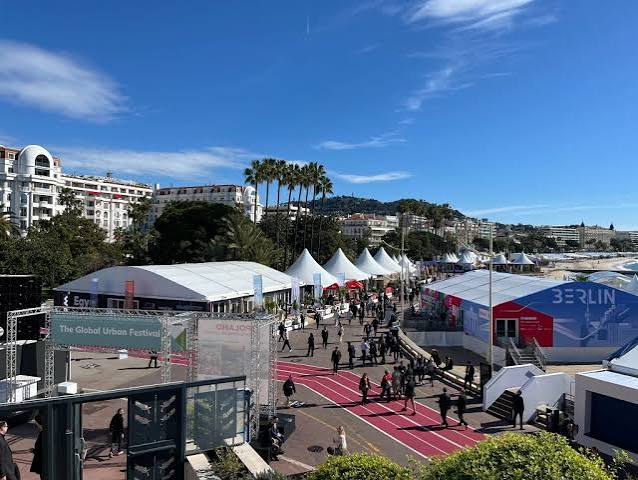
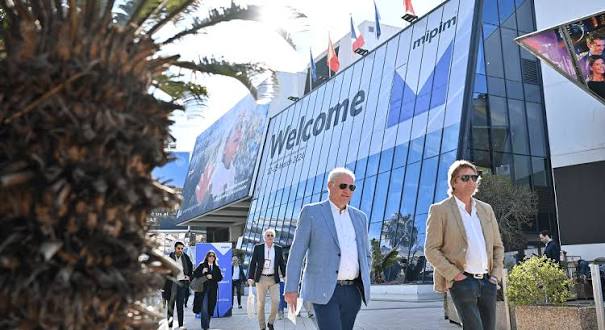
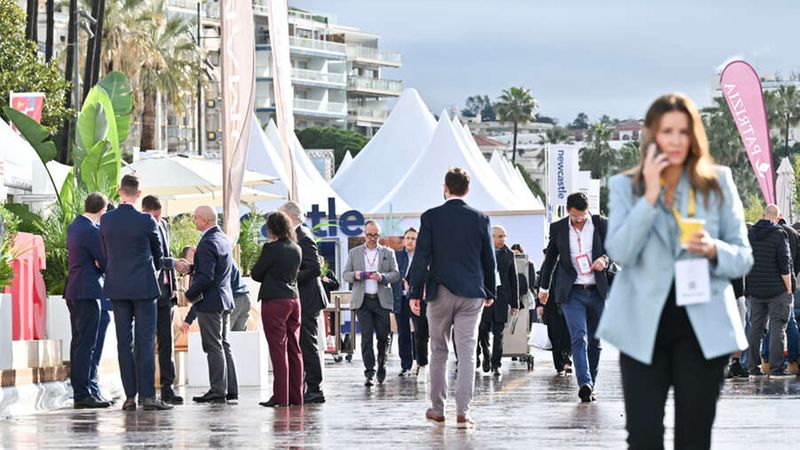
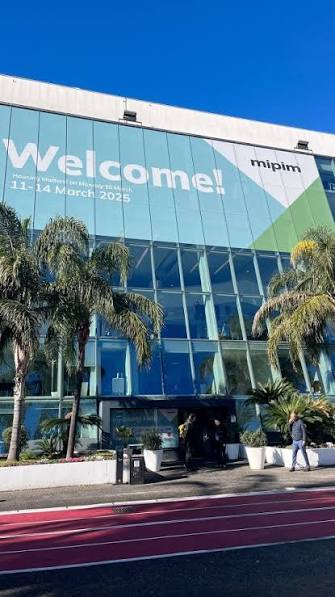
King Cross Zagreb mall rolls out €40 million extension
28th February 2025.
Aleksandar Opsenica
Editorial in Chief
AG Real Estate
REBEC
The King Cross Zagreb shopping centre has completed the first phase of a major renovation project, following an investment of more than €40 million carried out by its owner, SES Spar European Shopping Centers.
The newly renovated section of the mall features new anchor tenants such as Müller Drogerie, Sinsay, and the largest Decathlon store in Croatia.
Future investment plans include a unique gastronomic zone and a central piazza that will serve as a new meeting place for Zagreb.
In addition to the new stores and updated aesthetics, King Cross Zagreb has also improved its infrastructure. A new entrance on the south side of the mall will provide easier access to all shops, and more than half of the parking area has been renovated to offer wider and more convenient parking spaces.
The mall opened in 2002 and has been managed by SES Spar European Shopping Centers since 2018.
SES currently manages 31 shopping centres in Central, Southern, and Eastern Europe, with a total leasable area of over 855,000 m2.
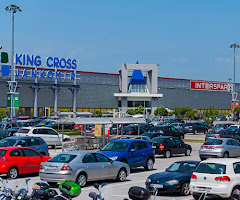
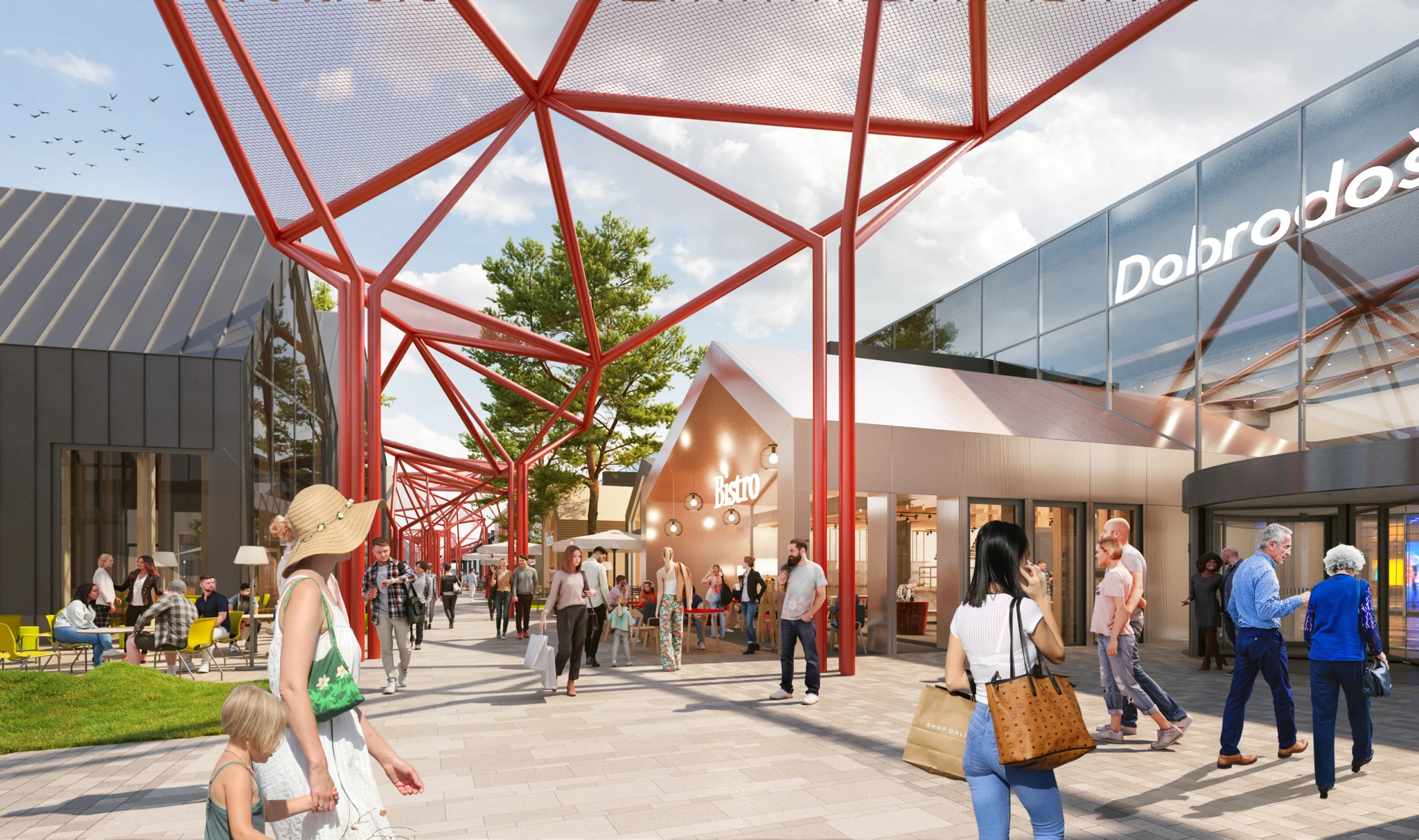
Belgrade resi market to start recovery in 2025
20th February 2025.
Aleksandar Opsenica
Editorial in Chief
AG Real Estate
REBEC
Belgrade's real estate market is showing signs of a mild recovery this year, though significant changes are not expected in the short term.
The report highlights that a continuing shortage of quality projects is anticipated this year due to limited development during the previous market stagnation. While some projects offer minimal discounts, reflecting price corrections from pre-2023 levels, the lack of supply does not necessarily translate to price increases.
However, well-positioned and reasonably priced projects may experience higher pre-sale volumes compared to the past two years. The market's overall recovery remains gradual, with potential further support from lower interest rates.
The recent emergence of luxury developments, such as Delta District and Danube Riverside, along with upcoming projects like Marina Dorcol and Trump Tower Belgrade, point to a certain market recovery. However, these projects represent only a small fraction (1.5-2%) of the overall market, offering approximately 250-300 apartments annually.
Their success reflects demand for premium properties with specific qualities like prime location, superior construction, and exclusive amenities, appealing to a niche market segment rather than impacting the broader market, concludes the report.

CTP inks 64,000 m2 industrial lease deal in Serbia
10th February 2025.
Aleksandar Opsenica
Editorial in Chief
AG Real Estate
REBEC
Industrial developer CTP has signed three new leases with logistics provider Milšped in Serbia, taking the total leased space by the company to 105,000 m2.
At CTPark Belgrade West, Milšped signed a lease in December for the entire building SIM 6, from which it will be providing logistics services for a leading multinational client.
Milšped further developed its cooperation with CTP by leasing space at the new CTPark Niš in central Serbia, from where it will serve major international clients across various industries. The logistics company is also expanding its existing space at CTPark Novi Sad East, to accommodate the growing needs of their client.
We pride ourselves on our close relationships with clients, which explains why 70% of all new deals we sign across our portfolio are with existing clients. Our relationship with Milšped means we understand their what they need from their space, and we can support them with everything from expanding capacity at their existing locations to developing properties suited to their needs in entirely new locations suitable for them. This mirrors what we do time and again for many of our clients, added Kovacevic.
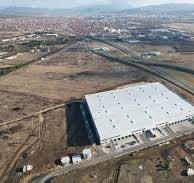
Savills is expanding its operations in Serbia
20th January 2025.
Aleksandar Opsenica
Editorial in Chief
AG Real Estate
REBEC
The company Savills has established cooperation with the company Cortina in Serbia in order to support its expansion in Europe.
Cortina provides support in the areas of transactions and investments, valuation and research, project management, development advisory and capital markets.
The real estate markets in Serbia, especially those related to logistics and residential facilities, are experiencing strong growth, and this partnership allows Se Savills to strengthen and expand its presence in Europe, while at the same time increasing its teams. This Cortina partnership provides access to Savills' vast global network, as well as connections to international investors and capital.
The Savills company has also established cooperation with the DDG Group in Croatia.


CTP inks 19,000 m2 lease in Serbia with Chinese producer
11th December 2024.
Aleksandar Opsenica
Editorial in Chief
AG Real Estate
REBEC
Industrial developer CTP has announced the leasing of 19,000 sqm of warehouse and office space in Serbia-based CTPark Novi Sad East to Shanghai Huizhong Automotive Manufacturing (SHAC), a Chinese supplier of car parts and systems.
This park is strategically located in north of Serbia, offering connectivity with direct access to the international railway network that passes through the city. It is positioned just 100 kilometres from the EU border and 90 kilometres northwest of Belgrade, making it an ideal hub for cross-border business.
This deal is a clear indication of how the region is becoming an increasingly attractive destination for global manufacturers and especially Asian companies. The facility will focus initially on the production of chassis components for BMW. Construction of the first phase is set to begin in February 2025, with operations expected to begin in December 2025. The first phase will cover 19,000 m2, with the potential for future expansion up to 30,000 m2.
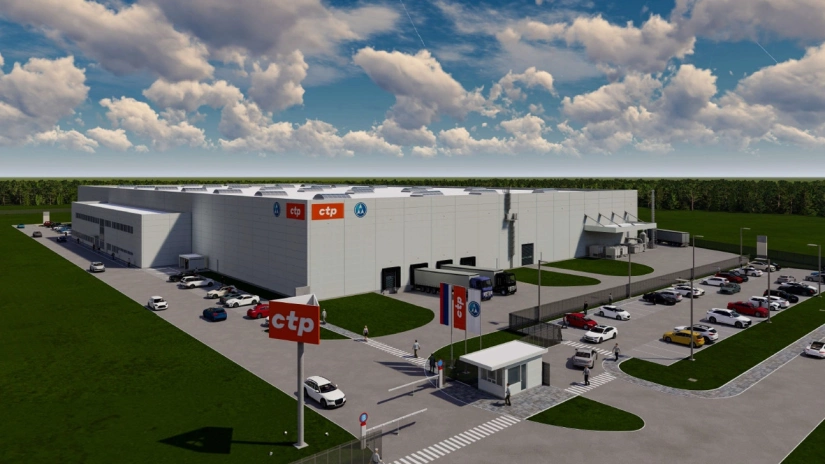
MAPIC 2024: Highlights of the 2024 Edition
29th November 2024.
Aleksandar Opsenica
Editorial in Chief
AG Real Estate
REBEC
The 2024 edition of MAPIC event once again affirming itself as an indispensable business platform in an ever-evolving industry. Despite the many challenges facing the retail sector, these three days of networking and information exchange demonstrated that the sector's fundamentals remain strong and its determination unwavering. The event brought together 4,400 participants, including 1,800 retail representatives, a 12% increase compared to 2023.
The presence of major international players such as AEW, CBRE IM, Pradera, Klepierre, URW, Ingka Centres, Nhood, Altarea, Hammerson, IGD, Apsys, Mercialys, Sonae Sierra, and others highlighted the significance of the event. This year's MAPIC also featured notable participation from Middle Eastern players, including Seven, Diriyah, and Cenomi, who showcased their projects. It also spotlighted international large-scale developments, such as Entrecampos and Grande-Synthe, the latter being the first project announced by the new partnership between Nhood and the Banque des Territoires.
With an expanded area and a new space dedicated to brand licensing (IP), LeisurUp, the zone dedicated to leisure and immersive experiences, brought together leading players such as Bandai Namco, Citywave, Cités Immersives, Hasbro, Dama Dreams, Dedem, Hupalupa, Smiley, QubicaAMF, Pausa, TF1 Licensing, Universal, Walltopia, and Zero Latency VR. Numerous conferences and sessions held over the first two days provided a comprehensive overview of market trends, featuring many exclusive international speakers.
Trends in the Commercial Investment Market
The retail real estate market was a focal point of this year’s MAPIC, with a strong emphasis on investors’ perspectives regarding retail market trends and outlooks. Two dedicated sessions delved into analyses from international investors, highlighting their views and strategies in an evolving environment. These sessions revealed an optimistic vision of the resilience of retail as an asset class. A European study presented by BPCE Solutions Immobiličres revealed that, while investment volumes are declining across office, retail, and logistics asset classes, retail has proven the most resilient, with only a 10% drop. Retail investment has been especially driven by the strong performance of the Italian, Portuguese, and Spanish markets, alongside robust results in the UK.
The study also highlighted significant disparities in commercial rent prices between countries and cities, though yield rates remained relatively stable, ranging from 3% to 5.50%. BPCE Solutions Immobiličres noted that the retail investment market is undergoing a profound transformation in 2024-2025, characterised by renewed momentum and radically different strategic approaches. There is now a clear distinction between the retail of 2019 and that of 2025. While the previous era equated the opening of retail spaces with guaranteed success, the current landscape is marked by extreme selectivity and a deep understanding of economic dynamics. Investors are returning to the market with growing volumes, particularly in Southeast Europe and the UK, adopting an opportunistic strategy centred around winning concepts.
Urban Regeneration and Mixed-Use Projects
Rebuilding existing structures and designing for mixed-use functionality have become essential components of international development projects. This year’s MAPIC once again introduced participants to urban regeneration projects where retail serves as a crucial link between different programmatic activities. The Retail and Urban Regeneration Summit highlighted projects such as Brent Cross Town, Entrecampos, Alverca, Grande-Synthe, Diriyah, and Spazio Quadrilatero, demon trating the centrality of placemaking in project design.
The event has once again proven to be a key platform for identifying trends, forging connections, and showcasing innovations. Participants are already looking forward to the next edition, scheduled to take place from Tuesday, 4 November, to Thursday, 6 November 2025.
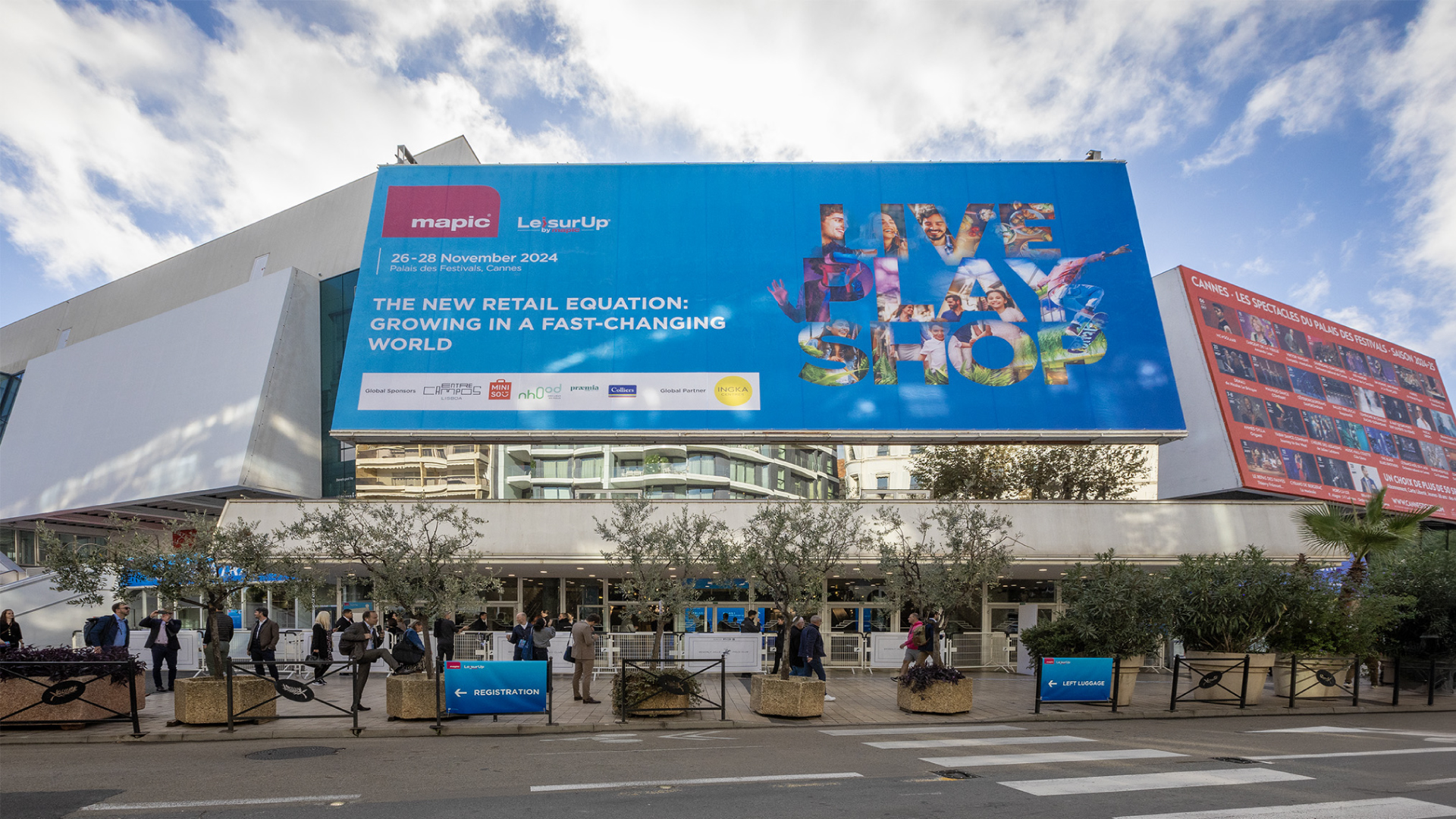

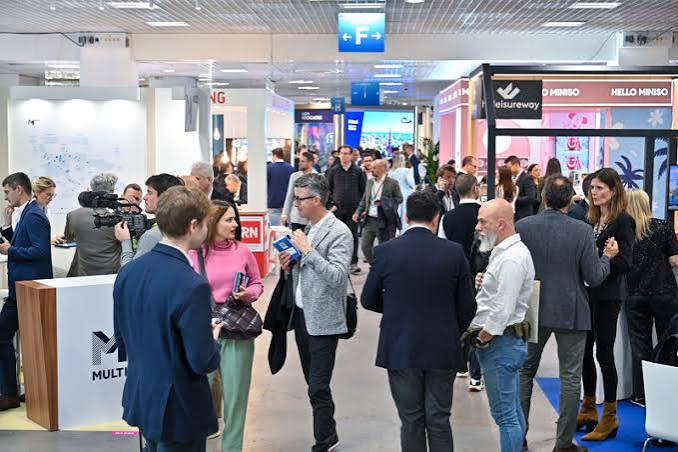
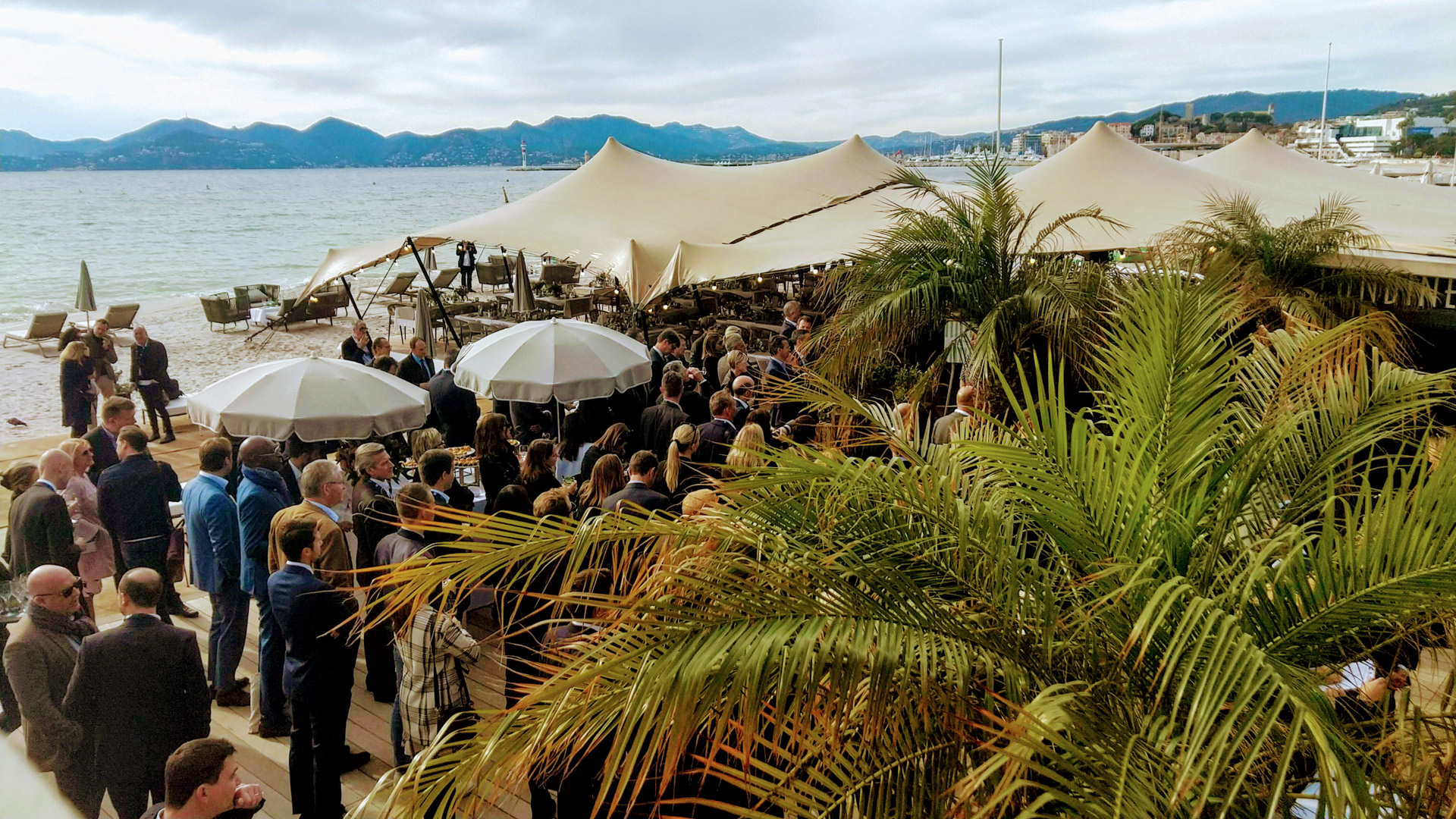
108 Real Estate expands into Balkans region
8th November 2024.
Aleksandar Opsenica
Editorial in Chief
AG Real Estate
REBEC
Czech property consultancy 108 Real Estate has announced the opening of a new office in Zagreb covering Slovenia, Serbia and Croatia as part of its expansion in the Balkans.
The region is united by the growing interest of developers and tenants, especially in the field of industrial real estate. For instance, the supply of modern warehouses and production space in prospective Serbia amounts to just 1.3 million m2, which is less than new office space. The market is even shallower in Croatia and also in Slovenia, but both countries can became a gateway to Europe for many importers and exporters.
In recent years, the Balkan market has increasingly attracted the attention of Czech and Slovak development groups such as Accolade, Atrios, Logexpert, Sympatia, Besico, BHM and RC Europe, as well as international companies based in the Czech Republic such as VGP and CTP. These players have a significant impact on the development of the region.
The most important industries in Croatia are food, beverages and tobacco, followed by chemicals and oil. In Slovenia, the automotive, consumer electronics and pharmaceutical industries are the main drivers of its economy. In all three countries, however, the supply of modern industrial space does not match the potential.
Higher hotel revenues in Croatia will boost the construction sector
29th October 2024.
Aleksandar Opsenica
Editorial in Chief
AG Real Estate
REBEC
The revenues of the Croatian tourism sector increased by 8% on an annual basis ending in August 2024, which could affect hotel construction activities.
The hotel sector in Croatia in itself has a significant impact on the country's construction sector. Its revenues provide tax revenue to fund government construction projects, while payments to employees and suppliers enable those entities to invest in facilities and other construction work, among other things.
Consequently, real hotel revenue growth of 8% is likely to boost construction overall, at least to some extent. There is also the question of the extent to which hotel revenue growth reflects the business of non-hotel tourist accommodation providers. It is not clear whether they have achieved equally good results in this respect as hotels, experts conclude.
The growth of tourism in Croatia is slowing down, at least during the main season, and especially when it comes to foreign tourists. The growth in the number of overnight stays on an annual basis during the main season (July and August 2024 compared to the same period in 2023) amounted to a total of 0.8%. While the number of overnight stays by domestic tourists increased by 10.0%, the number of overnight stays by foreign tourists stagnated, with a growth of only 0.11%.
This is in sharp contrast to the significantly better results recorded in May and June, when the total number of overnight stays increased by 3.6%, with growth of 3.8% for domestic and 3.6% for foreign tourists.

EXPO REAL 2024: Transformacija globalnog tržišta nekretnina uz blagi nagoveštaj optimizma
9th October 2024.
Aleksandar Opsenica
Editorial in Chief
AG Real Estate
REBEC
Medunarodni sajam nekretnina i investicija EXPO REAL 2024, održan od 7. do 9. oktobra u Minhenu, okupio je više od 40.000 ucesnika iz 75 zemalja i 1.778 izlagaca iz 34 države. Uprkos složenim makroekonomskim okolnostima i izazovnim uslovima poslovanja, stabilni podaci o posecenosti potvrdili su visoku otpornost sektora. Na panelima i štandovima zabeležen je umereni optimizam, uz jasan zakljucak da se industrija aktivno reorganizuje i okrece ka novom tržišnom ciklusu.
Analiza trenutnog stanja na tržištu ukazuje na to da su negativni trendovi poceli da usporavaju, a u pojedinim segmentima i da se stabilizuju. Opšta ocena je da je tržište nekretnina dotaklo dno ciklusa, što se posebno primecuje u segmentu osnovnih nekretnina (core segment), gde je pad cena zvanicno zaustavljen. Privredna situacija, posebno na velikim evropskim tržištima poput Nemacke, i dalje je složena, što je fokus diskusija pomerilo sa cistog investicionog kapitala na pitanje stvarne isplativosti i generisanja nove potražnje. Zakljuceno je da sam finansijski kapital više nije dovoljan za pokretanje tržišta. Prevazilaženje trenutnog jaza zahteva uspostavljanje novih partnerstava, medusektorsku saradnju i promenu tradicionalnih nacina razmišljanja.
Kljucne zone transformacije i tehnološki trendovi
Kroz specijalizovane platformske segmente, sajam je stavio akcenat na prakticna rešenja za gradevinarstvo buduc´nosti. Koncept Transform & Beyond kao inicijativa je poslužila kao direktan odgovor na promene u potražnji. Pokazalo se da su industriji neophodni uživo dogadaji i eksperimentalni formati koji podsticu ucesnike na tržištu da hrabrije razvijaju inovacije. Usled brzih tehnoloških promena, eksponencijalna digitalna transformacija i primena naprednih softverskih rešenja postali su standardni alati za suocavanje sa operativnim izazovima i optimizaciju troškova gradnja Zelena gradnja više nije opcija vec uslov opstanka na tržištu. Akcenat je stavljen na gradevinske radove i rekonstrukcije na vec postojec´im objektima, što se smatra ekološki opravdanijim i isplativijim modelom u odnosu na stalnu novu gradnju.
Buduci prioriteti: Pristupacnost i održiva stanogradnja
Pred industriju su postavljeni jasni zadaci za naredni period, sa fokusom na socijalnu i ekonomsku održivost. Zbog rasta troškova života i energenata, kreiranje pristupacnih stambenih jedinica Isplativa stambena rešenja izdvojila se kao goruca tema u celoj Evropi. Istaknuto je da održiva gradnja i visoki ekološki standardi moraju postati finansijski pristupacni krajnjim kupcima, a to je ostvarivo iskljucivo kroz tehnološke inovacije u samom procesu izgradnje. Razvijaju se fleksibilni i dugorocno održivi novi koncepti korišcenja objekata i prostra, koji se lako mogu prilagoditi promenama u nacinu života i rada savremenih korisnika.
Naredno izdanje ovog globalnog investicionog sajma najavljeno je za period od 6. do 8. oktobra 2025. godine u Minhenu.

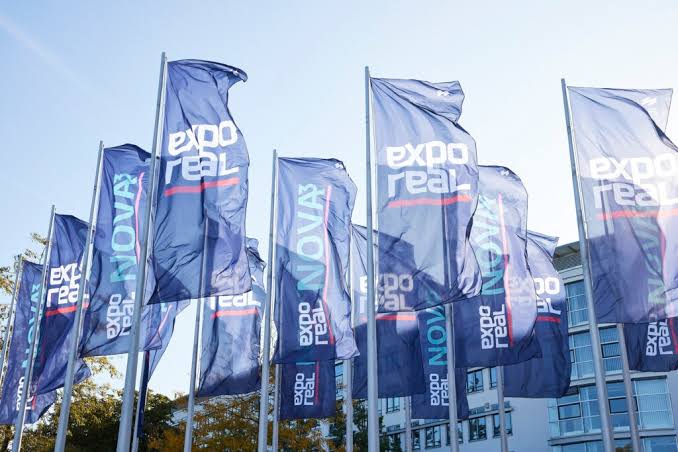
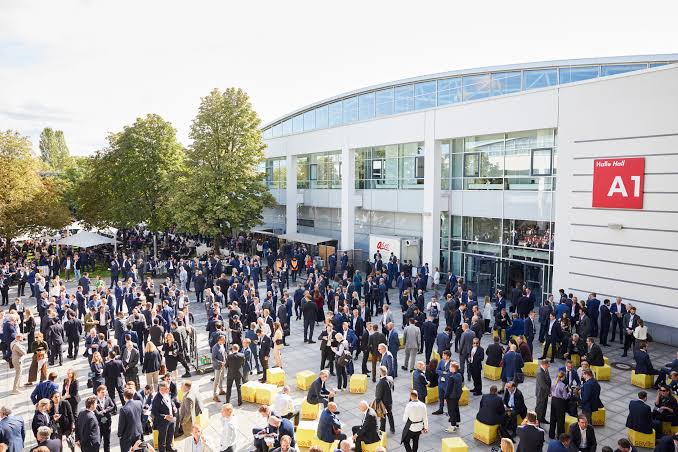
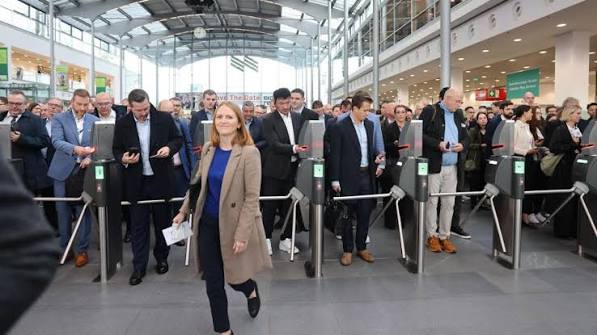
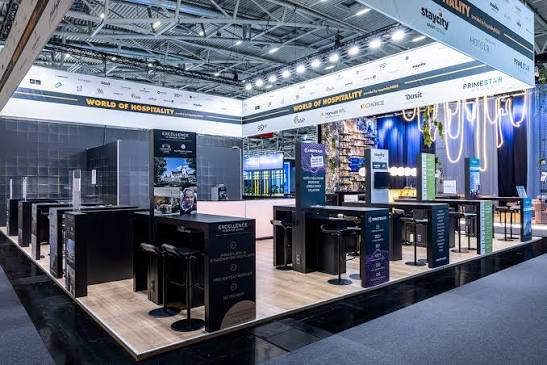
Corwin unveils new residential tower in Ljubljana
23rd September 2024.
Aleksandar Opsenica
Editorial in Chief
AG Real Estate
REBEC
Nordika, Corwin’s new residential tower in Ljubljana, has been unveiled to the public. The project, which will comprise around 290 new apartments, will be part of a large-scale revitalization of the area along Masaryk Street in the city centre.
Construction for the project is expected to start in early 2026. This will be Corwin's third revitalization project of degraded areas in the Slovenian capital. The construction of four residential towers in Šiška, called Kvartet, was completed in early 2024. More than 60 percent of the work on their second project has been completed – Vilharia will be the greenest office building in Slovenia.
This project will revitalize the neglected area where the company Veletekstil, one of the most famous retail chains in Slovenia, once operated. It is another in a series of revitalization projects of abandoned industrial sites (so-called "brownfield" projects), which transform abandoned spaces near the main railway station into a modern city core. The location will be ideal for people who love city life, as well as for those who want easy access to business opportunities, cultural events and a variety of services.
Nordika will incorporate sustainable elements, such as green roofs, photovoltaic panels and a ventilated facade. The project will have a height of 82 meters and 24 floors.

Maistra Hospitality Group secures green loan up to €200 million
7th August 2024.
Aleksandar Opsenica
Editorial in Chief
AG Real Estate
REBEC
Maistra Hospitality Group, Croatia's second-largest tourism player, has obtained a blue and green sustainability-linked loan of up to €200 million, from the International Finance Corporation (IFC), as part of its strategy to boost sustainability operations.
The financing package is the first blue loan in Croatia's tourism sector. It will fund the development and reconstruction of Hotel Marjan, a landmark hotel situated near the city of Split's UNESCO-listed historic center, and the refurbishment and upgrade of Vrsar Holiday Village in Istria, the country's largest campsite.
Croatia's tourism industry is key to its economic growth, directly and indirectly contributing 26 percent to GDP and accounting for around a quarter of all jobs.
Discounts to the loan's financing terms will be tied to the company achieving IFC's innovative EDGE Zero Carbon green building certification for Hotel Marjan, blue certifications recognized by the Global Sustainable Tourism Council for both sites. It will also cover significant greenhouse gas (GHG) reductions of the full hospitality portfolio of the group, which includes 34 properties.
The group employs approximately 4,000 people and operates properties along the Adriatic Coast and in Croatia's capital, Zagreb. It is controlled and majority-owned by Adris Grupa, a leading Croatian conglomerate.
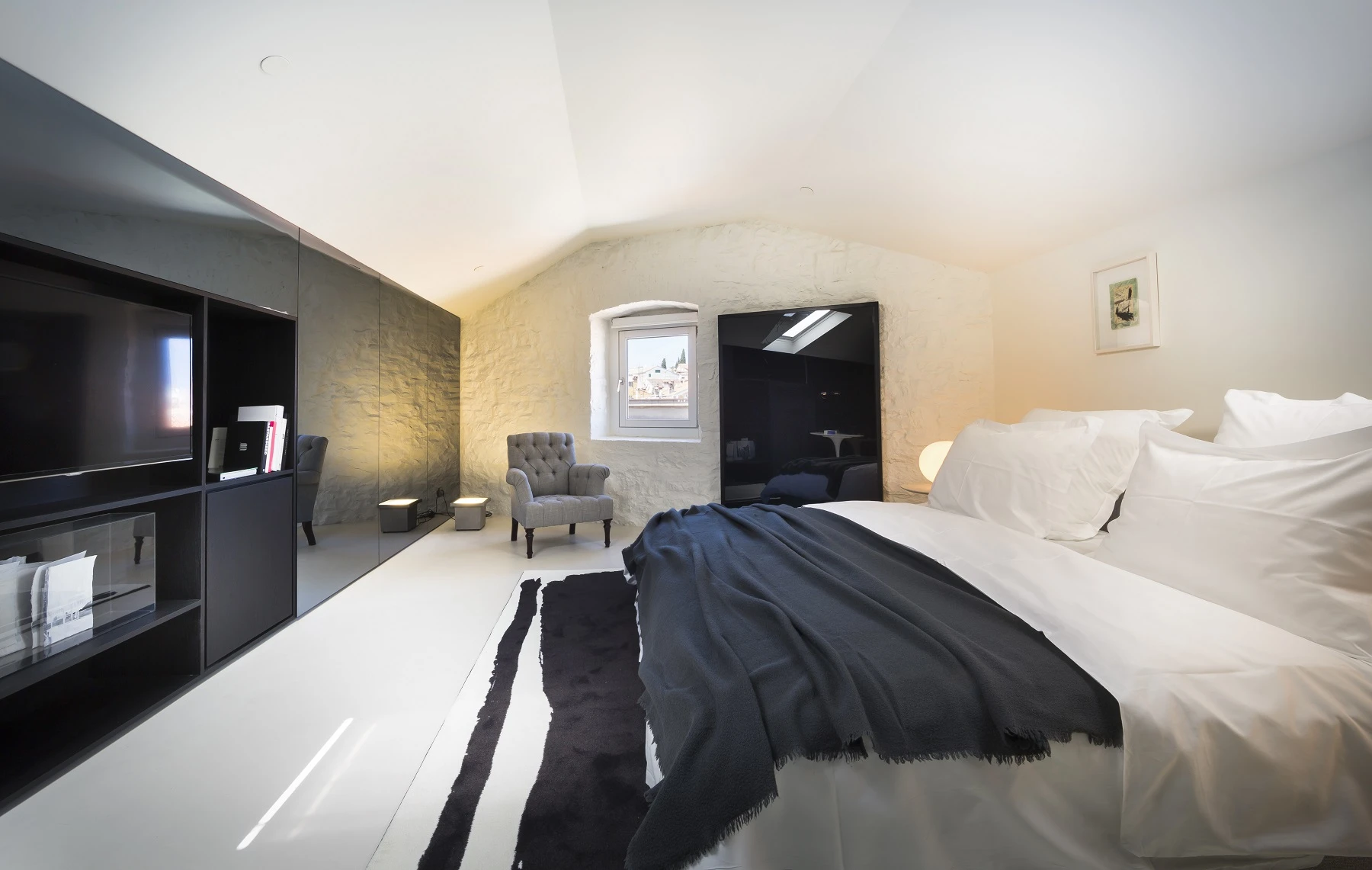
S Immo is selling an office building in Zagreb
25th July 2024.
Aleksandar Opsenica
Editorial in Chief
AG Real Estate
REBEC
The company S Immo has announced the sale of the business tower "HOTO Business Tower" in Zagreb for an unknown amount. The building is located on the southwestern edge of the central business zone of the Croatian capital and has a total rental area of about 15,500 m2.
This sale is in line with the group's strategy of gradually withdrawing from the Croatian office space market. "HOTO Business Tower" is the last building of S IMMO in Zagreb. With this sale, S IMMO completely withdrew from the Croatian market.
Verne leases 28,500 m2 in VGP Park Zagreb for new plant
15th July 2024.
Aleksandar Opsenica
Editorial in Chief
AG Real Estate
REBEC
Croatian autonomous car maker Verne has leased 28,500 m2 in VGP Park Zagreb for a new factory. Under the lease terms brokered by CBRE, VGP will develop a built-to-suit project for Verne featuring offices, warehouse space and a production facility.
This transaction is further proof that the SEE region, and Croatia in particular, is an ideal location for the industrial and logistics industry due to its strategic geographical position in Europe, skilled workforce, competitive operating costs and steadily growing economy.
In the past years, CBRE has worked on several built-to-suit transactions, including a 40,000 sqm distribution centre for Orbico Hrvatska in Zdencina and a cold storage distribution centre for HAVI Group in Velika Gorica. The industrial and logistics sector in Croatia will continue to grow in the upcoming years.
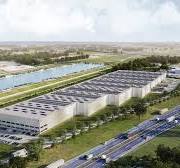
Belgrade resi market sees lower deal volumes in Q1 2024
5th July 2024.
Aleksandar Opsenica
Editorial in Chief
AG Real Estate
REBEC
Belgradee’s residential market recorded transactions worth €479.6 million during Q1 2024, down by around 11% compared to the same period of 2023, but the overall amount spent is still high.
Key conclusions:
• 75% of all transactions were cash while 25% were credit buyers. This is a slight increase in the activity of credit buyers compared to the same period last year when that percentage was 73%, which suggests that the market has somewhat adapted to high interest rates.
• The amount of turnover of all real estate at the level of Belgrade in the partially regulated market (incomplete documentation) continues to be high and amounts to around €285 million for Q1. This figure includes houses, garages, business premises, and land. Of this amount, about €213 million were transactions on the primary market (purchases directly from investors), which shows that proper documentation for new real estate is still an advantage. A part of this amount refers only to the delay in issuing the use permit for the buildings at the time of the transaction
• Q1 2023 is the moment when the market slowed down significantly, and today it is almost 18 months of a new reality, with no real indications that there will be a rapid shift. However, the market is still suitable for the construction of apartments, as individual projects (not the entire market like a few years ago), can still prove it through the number of apartments sold.
The European Central Bank lowered interest rates, while the American FED will do it only once before the end of the year, and this represents an unusual sequence of events compared to earlier periods.
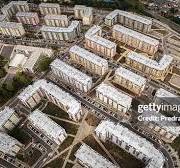
Pemo Centar starts office investment in Zagreb
1st July 2024.
Aleksandar Opsenica
Editorial in Chief
AG Real Estate
REBEC
Croatian investor Pemo Centar has announced the development of a new office building in Zagreb. The Business Centre Arena office building spanning 9,900 sqm will be delivered by Q4 2025 following an investment of around €20 million.
It will be located next to Arena Zagreb and Arena Center - the largest Croatian shopping entertainment complex. In addition, the building will have a direct road connection to Jadranska Avenue – the southern city gate from the National A1 motorway. Several Jadranska Avenue lanes go through the largest roundabout in Zagreb, which connects the city centre via the Adriatic (Jadranski) Bridge or Novi Zagreb entrance.
First Property Zagreb has been appointed as the property and leasing manager for the office building, which is designed by the architectural studio Atom. The 7-storey building will include underground parking spaces for 166 vehicles, as well as 32 outdoor parking spaces with charging stations for electric cars.
Business Centre Arena is designed as an energy-efficient building, with primary energy consumption coverage set to meet EU Taxonomy requirements.
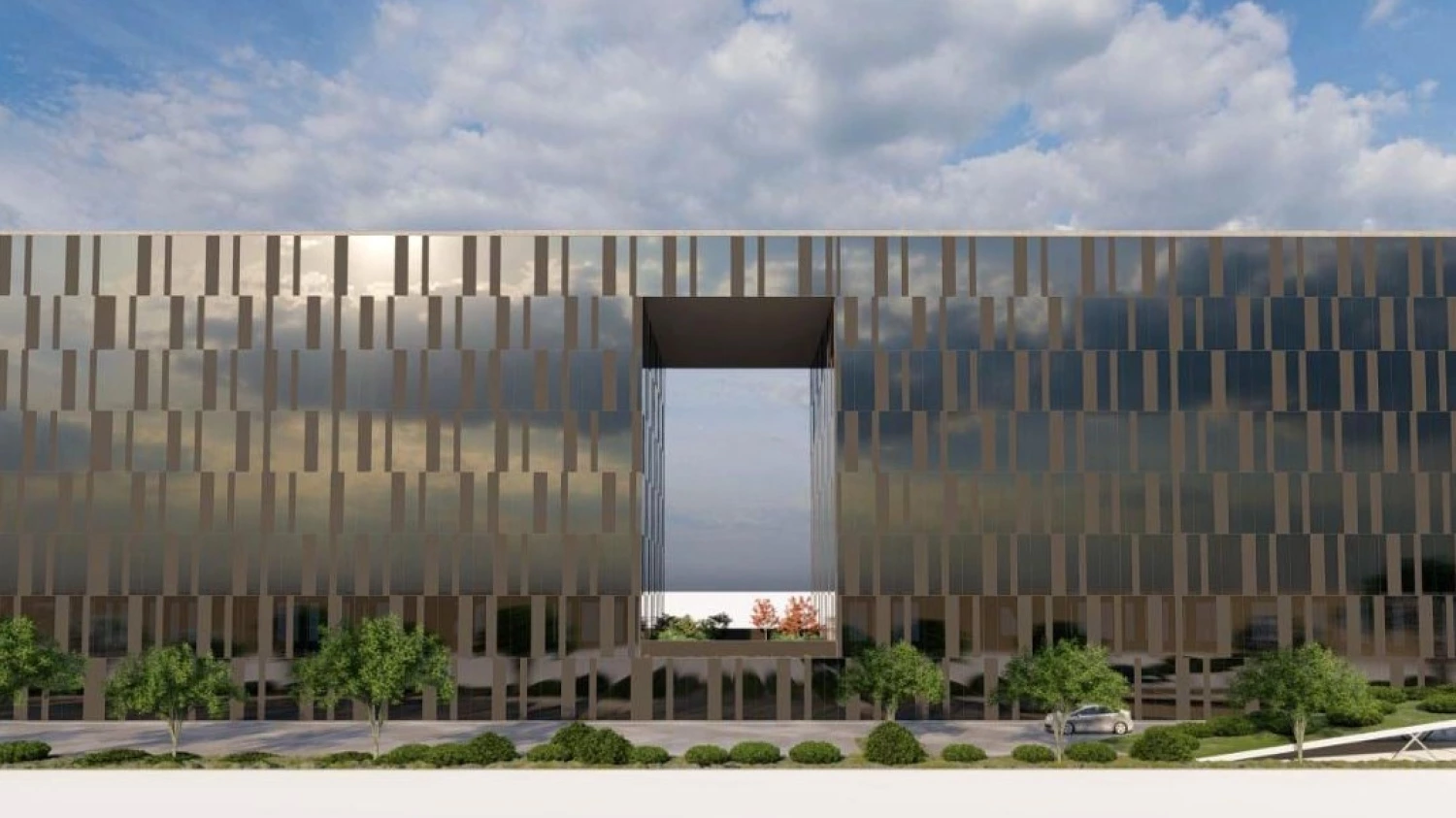
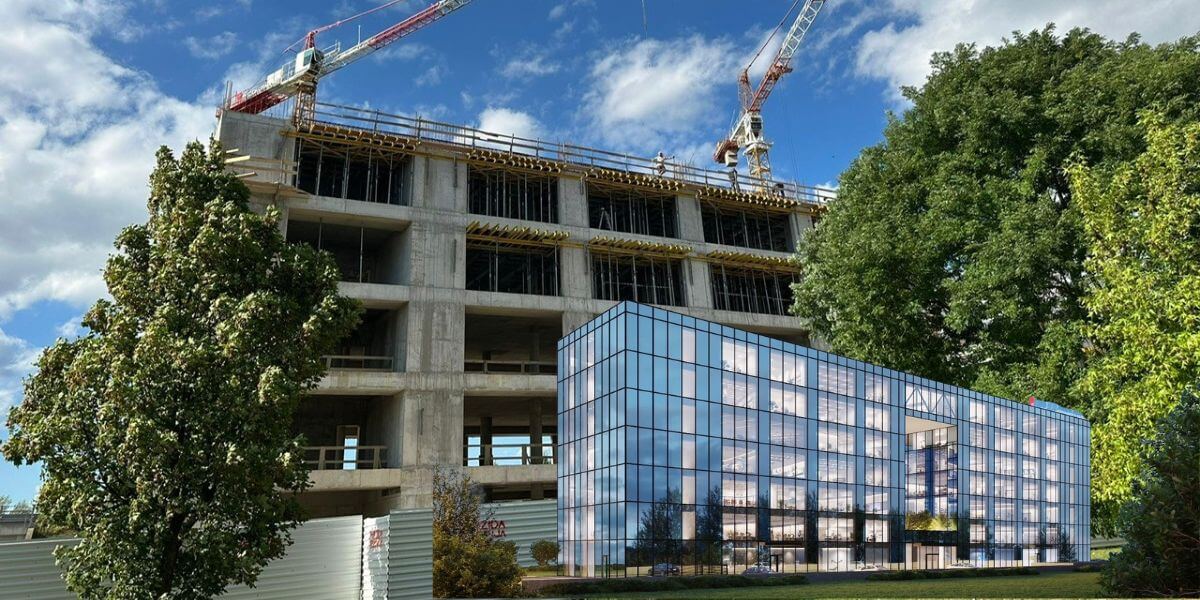
How will artificial intelligence change the real estate sector? – You can go by foot into the future, and you can also take a plane
26th June 2024.
Aleksandar Opsenica
Editorial in Chief
AG Real Estate
REBEC
Artificial intelligence is not going anywhere, but it should be kept in mind that it is only a tool in human hands, and it is entirely up to society what it will achieve in the future. This was the main conclusion of the panel “Artificial Intelligence and Impact in RE Sector,” held within the REBEC 2024 conference.
During the session, the panel moderator asked the audience of real estate professionals how many of them utilized artificial intelligence in their jobs. Only a few hands were raised, indicating that AI was still perceived as a distant future by many in the sector. However, the subsequent discussion led to a different conclusion: artificial intelligence is already present, it is not going anywhere, it is already being used to a major extent, and those who implement it first will gain a significant competitive advantage. In the real estate sector, the possibilities for AI application are manifold, spanning marketing, branding, sales, evaluation, risk assessment, as well as the systematization and automation of numerous processes.
One of the challenges in using AI within the real estate sector is convincing professionals to adopt it. A technology founder noted that when presenting AI to industry professionals, they tend to be quite reserved because they fear it will replace them. Additional challenges include data quality and cost, as AI is only as good as the data fed into it, and its implementation can still be considerably expensive. However, speakers agreed that the idea of AI completely replacing people is a major misconception. Another expert pointed out that humans are emotional beings who demand credibility, integrity, and a trusted person on the other side when investing money, rather than an AI chat bot.
Despite this, the expert's firm heavily leverages AI advantages, including a chat bot that serves as an investment consultant. This tool provides critical information, supports the sales team in multiple ways, and operates 24/7 in all world languages. The same speaker emphasized the challenge of data training, noting that AI can even lie if trained to do so. Ultimately, AI behaves exactly as instructed; it is a tool similar to a knife, which can be highly useful in a kitchen but can also be used as a weapon. A business development director specializing in climate risk data explained that the biggest benefits of AI lie in collecting and processing information. The speaker stressed that professionals must be honest with themselves about the permanence of AI and conduct a thorough self-analysis of their strengths and flaws. For an average professional, status quo remains, but for those who are extraordinary, AI serves as a tool to become even better.
In the future, AI will be used by everyone, and early adopters will secure a massive advantage. Experts believe this shift will make people more creative, as obtaining a good answer from AI requires knowing how to ask the right question, which demands deep foundational knowledge. The future of the real estate sector with AI promises higher productivity. One panelist compared the technological shift to transport: one can reject technology and choose to walk because they have legs, but others will choose to take a car or a plane. Over time, as the benefits become clearer, public acceptance will grow, overcoming the natural human tendency to reject the unknown. In this evolving landscape, human creativity remains the ultimate differentiator, as AI will not be creative on its own.

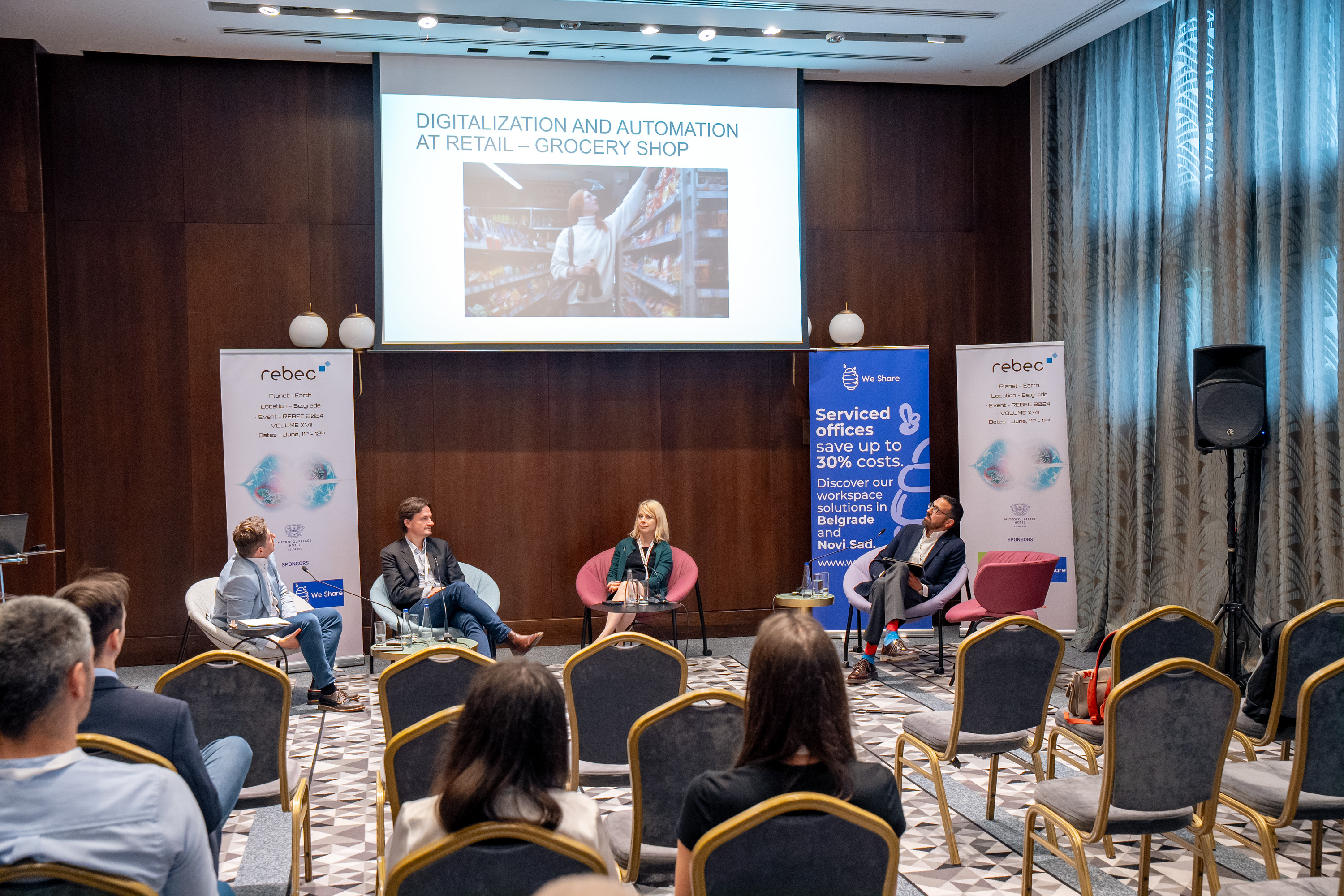
Without new brands arriving to Serbia, there is no future for shopping centers – Who is the king of retail?
22nd June 2024.
Aleksandar Opsenica
Editorial in Chief
AG Real Estate
REBEC
The only way for the retail sector to continue developing is for new brands to arrive in Serbia. Although many new projects are ongoing and investments are being made in retail parks, these developments often resemble one another. Consequently, the future lies in multifunctional projects, which was the main conclusion of the panel “Retail Revolution in the Western Balkans: Unveiling the Future,” held within the REBEC 2024 conference.
Over the next ten years, one speaker noted that investments are expected exclusively in retail parks rather than new shopping centers. The speaker emphasized that bringing new and high-quality brands is the only way to improve and develop local shopping centers. Currently, the market faces a limited number of potential tenants, leading to the same brands appearing in every shopping center. When negotiating with international brands, representatives often act on behalf of the wider market, as a new brand entering one location typically spreads throughout the country. While new brands frequently prefer entering the market through franchises, experts try to convince them to establish direct operations. Historical data shows that nearly 95% of brands entering through franchises eventually fail, usually due to choosing the wrong local partner, which complicates any future market entry attempts.
The future of the industry is increasingly seen in mixed-use projects where retail spaces are organized differently to support other segments, such as office, residential, and hotel areas. The development of these projects requires known brands from the European Union. One such landmark project currently under construction in New Belgrade features four buildings combining residential units, an office tower, and a hotel, introducing an entirely new concept to the market. Until new brands arrive, current tenants hold significant leverage and essentially set the rules due to the large number of projects currently in progress, a dynamic that is expected to continue for over three years.
Another panelist offered a different perspective, stating that the customer is the ultimate "king." While there is a major expansion of retail park construction across the entire region, space availability has shifted dramatically. A few years ago, securing locations in smaller town municipalities was difficult, whereas multiple offers are now available in each location. These projects are mostly driven by smaller, local investors who focus on securing a few top brands without heavily considering the overall tenant mix. Experts warn that retail parks must evolve into mixed-use projects. Currently, many retail parks function as copies of one another, heavily relying on supermarkets and a few fashion brands. Panelists estimated that if a retail park relies too much on standard fashion tenants, half of them might leave within five years. Future retail parks must curate a high-quality mix where visitors can spend time, eat, shop for furniture and clothes, and access dedicated spaces for children.
A third expert agreed that the customer is the central focus in retail and highlighted a growing trend toward shopping in transit, such as at rail stations, airports, and busy streets. Despite the development of major shopping centers, central city streets as shopping destinations remain highly resilient. The evolution of shopping centers has moved from completely enclosed spaces to more open layouts that resemble traditional streets, accelerated by post-pandemic consumer preferences. Consequently, central city streets are increasingly viewed as potential shopping centers in their own right, signaling a bright future for the industry despite challenges like inflation and global instability.

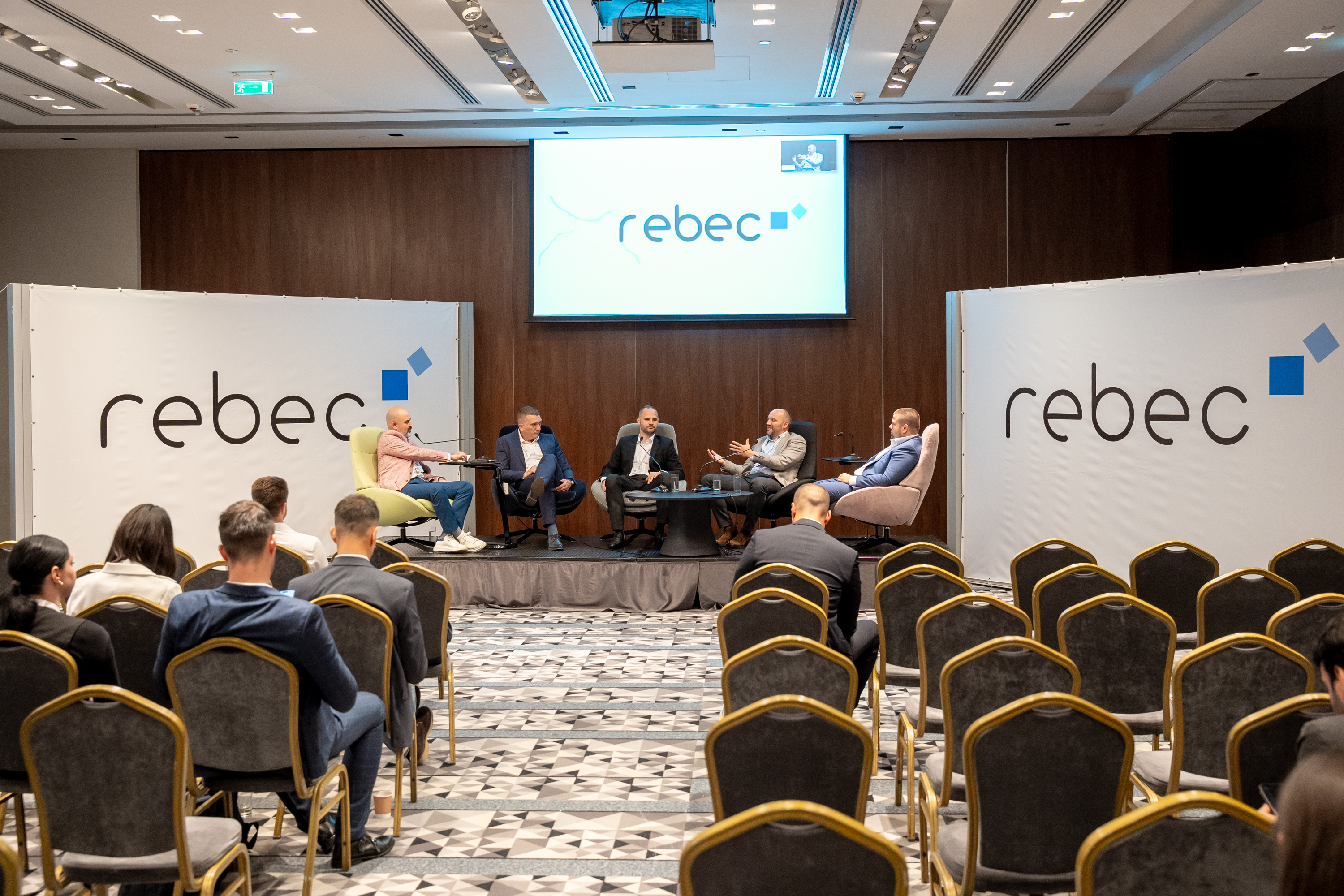
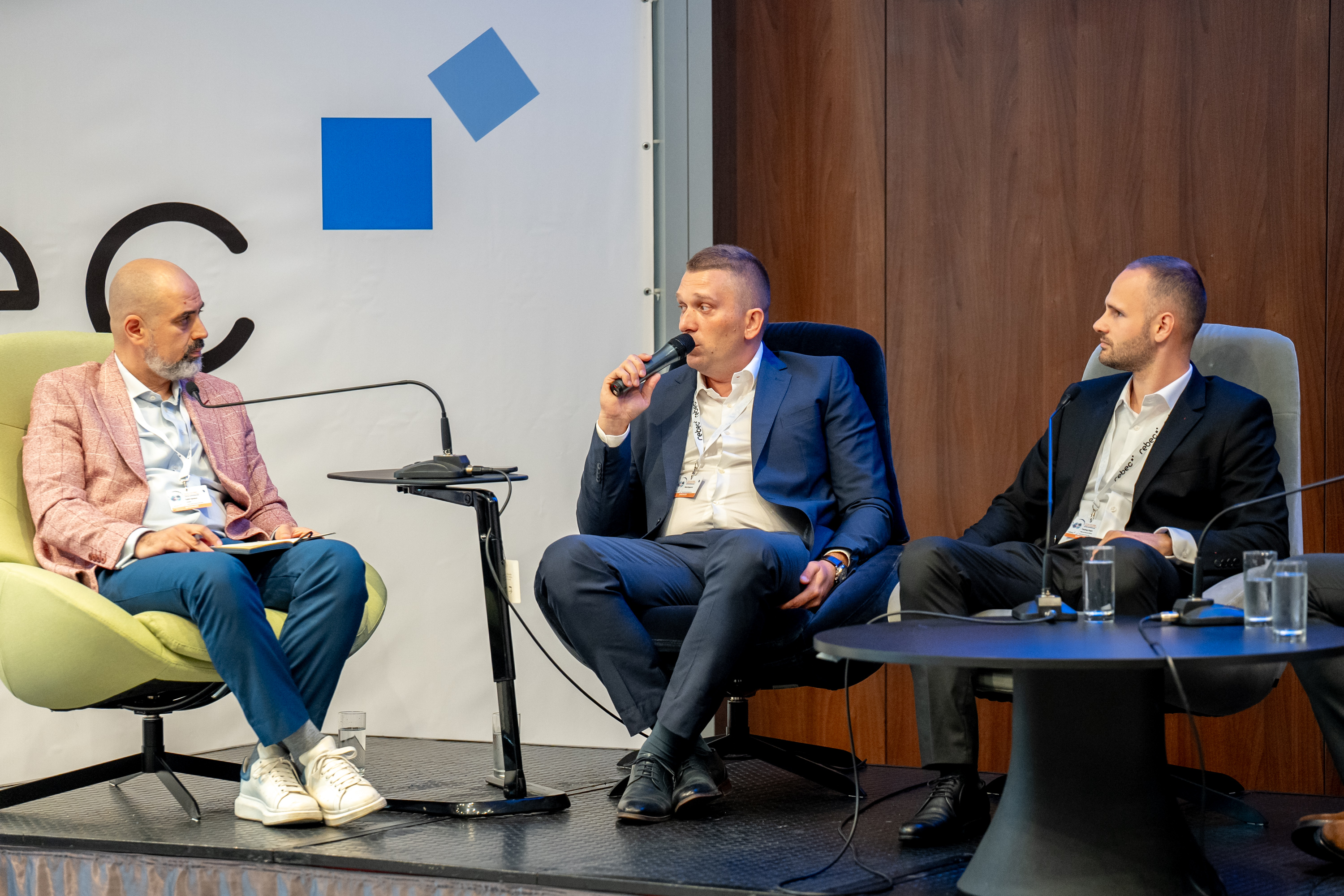
It’s not all about four apartments, there are funds as well
20th June 2024.
Aleksandar Opsenica
Editorial in Chief
AG Real Estate
REBEC
Why Real Estate Investors Need Financial Literacy People in Serbia still heavily favor investing in bricks and mortar, but there is an urgent need for education on alternative financial instruments like investment funds. This was the core message from the institutional panel at the opening of the REBEC 2024 conference in Belgrade.
The panel highlighted a massive, untapped market potential hidden within traditional banking:
The 1% Opportunity: Citizens hold over EUR 16 billion in bank deposits. Panelists argued that redirecting just 1% of these stagnant funds into investment funds would instantly trigger the development of a brand-new financial market.
Liquidity vs. Real Estate: Experts noted that changing the traditional mindset is the biggest hurdle. Unlike real estate, where selling an apartment takes time, fund shares offer immediate liquidity and can be sold at a single click.
The Trust Gap: The region faces a historical lack of stock exchange tradition. Education must target younger generations who do not carry memories of past market crashes, helping move the culture away from heavy cash reliance toward modern financial models.
Attracting Global Capital & Infrastructure Challenges While Serbia commands 60% of all investments in the region, global competition is fierce. To compete with hubs like Dubai or Singapore, the country must streamline bureaucratic processes, reduce paperwork delays in the monetary system, and upgrade physical infrastructure like roads and railways.
Furthermore, positioning the market to leverage the ongoing AI revolution and promoting local opportunities internationally are seen as critical steps to outpace competitors. As a leading regional real estate development platform, REBEC 2024 continues to bring together industry leaders from 40 countries to address alternative financing, AI integration, and the burning issues shaping the future of property development.

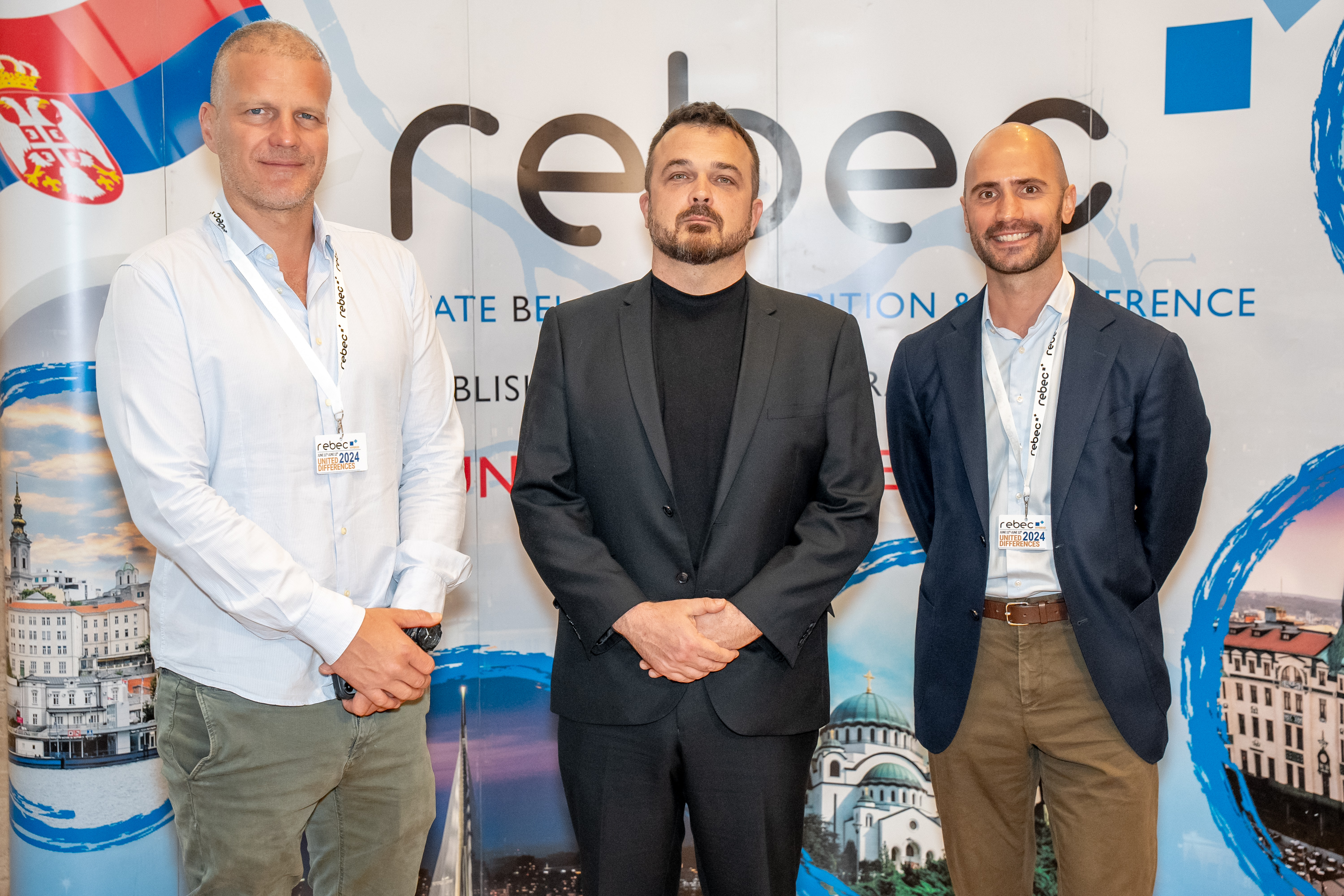
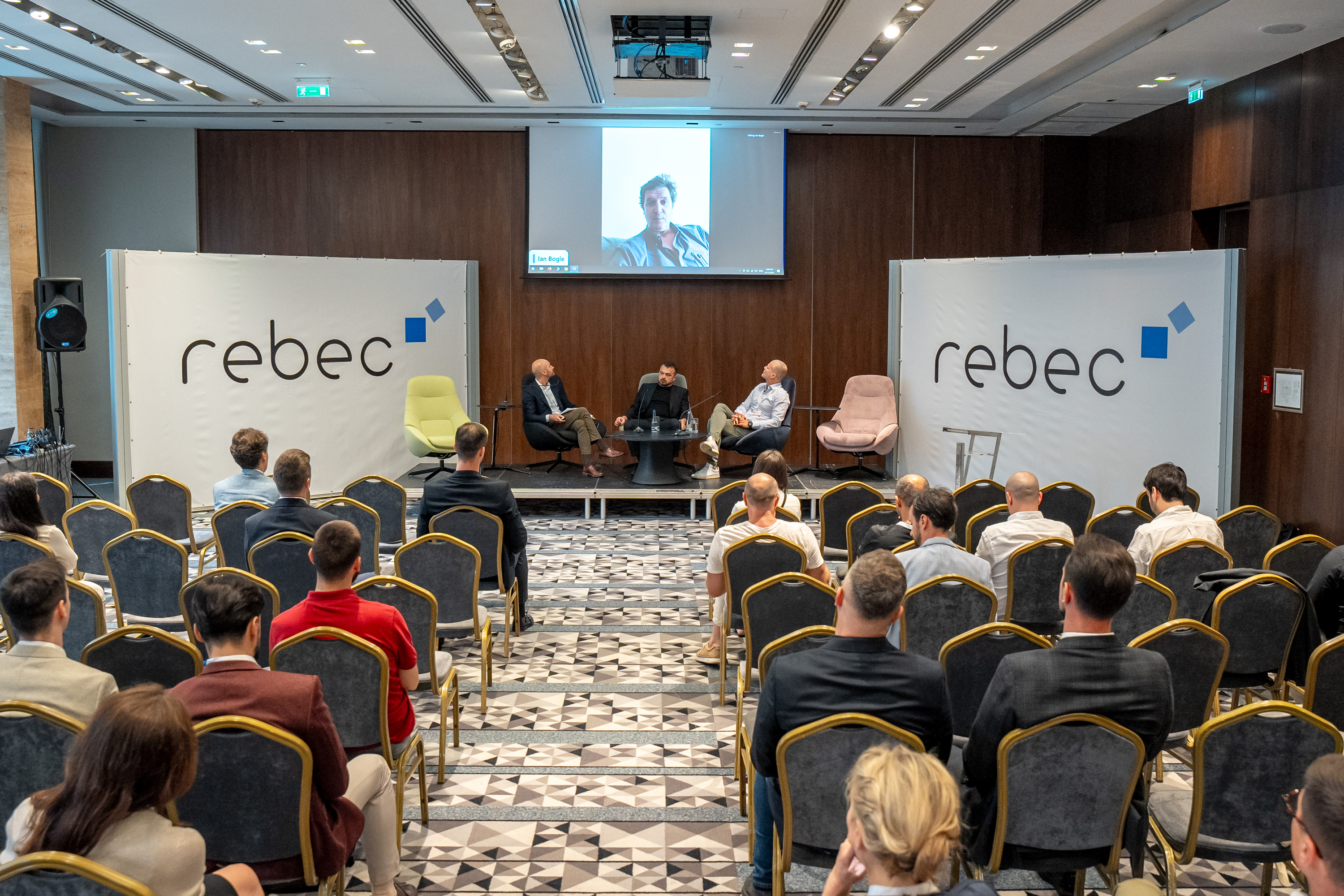
Belgrade Looking at a “Boom” in Student Accommodation & Co-Living Projects
18th June 2024.
Aleksandar Opsenica
Editorial in Chief
AG Real Estate
REBEC
Is Belgrade ready for a new wave of specialized real estate investments? According to international experts at the REBEC 2024 conference, the city is recording a significant surge in interest for student accommodation and co-living spaces, offering vital affordable options for young professionals.
The panel "Social Housing & Student Accommodations" drew direct comparisons between regional growth and established Western European urban development models:
* The UK Model (Section 106): A strict legal mechanism where investors are obligated to negotiate with local authorities to fund green spaces, infrastructure, and affordable housing (typically 20% of the project) in exchange for building permits.
* The Vienna Model: A system where social housing has been strictly integrated into zoning and development plans for years, securing affordable housing for nearly 60% of the population through city-managed and private-investor partnerships.
* The Prague & Belgrade Outlook: While Prague relies on community contributions like schools rather than fixed quotas, Belgrade is emerging as a highly attractive market. Driven by changing youth lifestyles and shifting demands, international investors are increasingly eyeing the Serbian capital for student housing development.
As housing affordability becomes a global challenge, implementing clear development instruments could be the next positive step forward for the region's urban expansion.

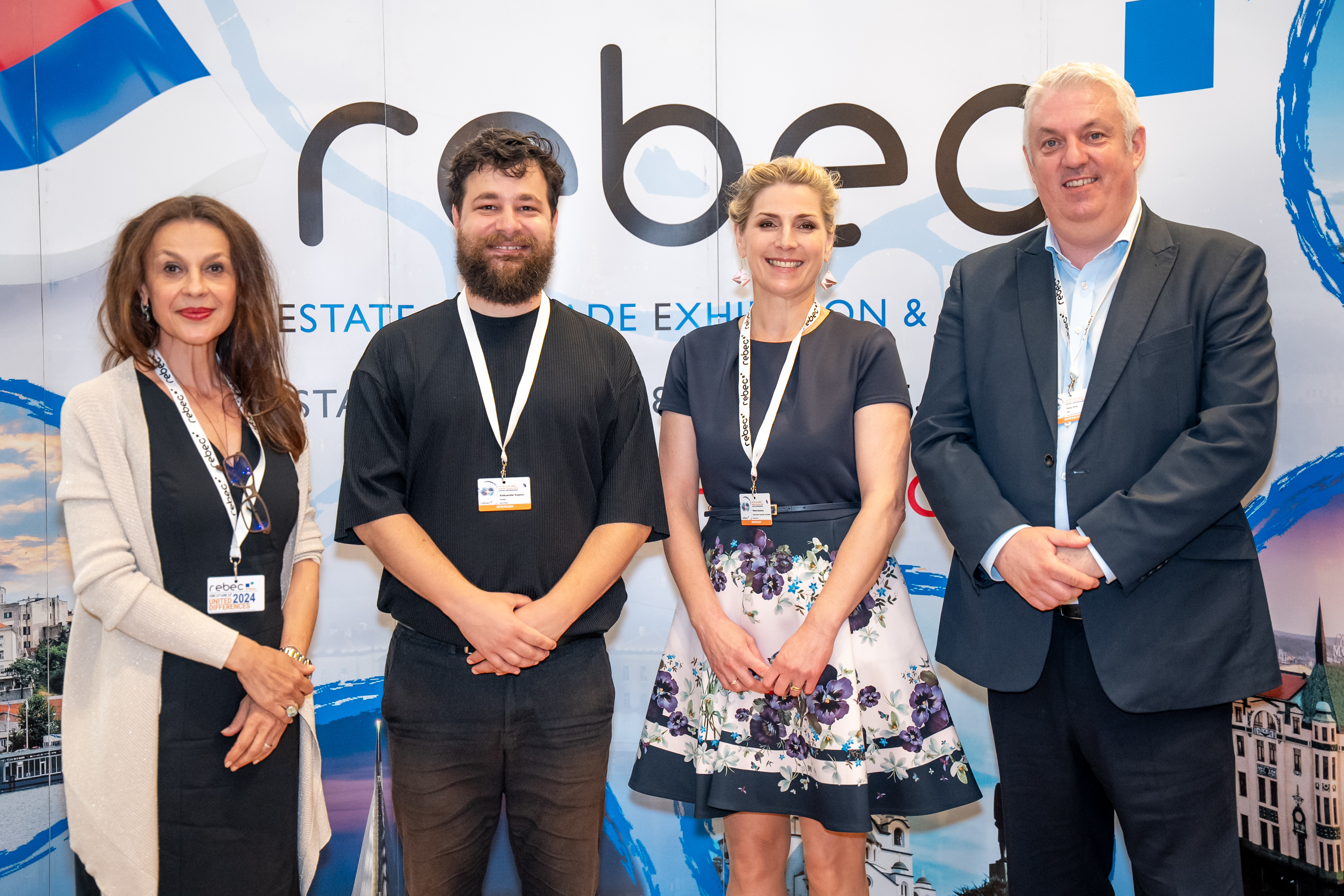
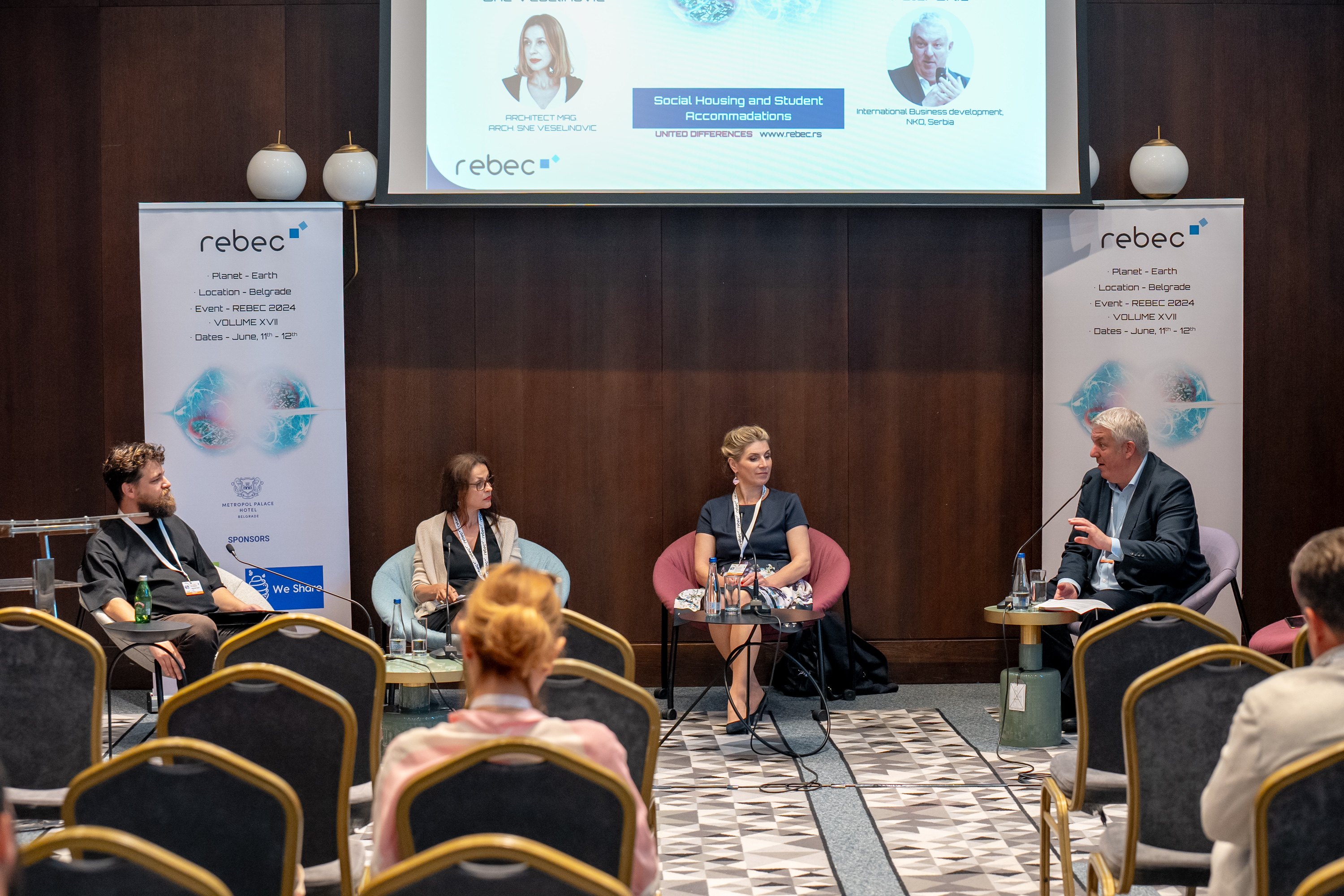
Wearing shorts and flip-flops to the office, then a yoga class between the meetings
16th June 2024.
Aleksandar Opsenica
Editorial in Chief
AG Real Estate
REBEC
Does Belgrade have a problem leasing 1.2 million square meters of office space, why is it still difficult to bring back IT workers to the offices, should a space be leased to a client who demands that employees come to the office in shorts and flip-flops – are just some of the topics that were discussed at the panel discussion dedicated to the development of office space at the recently finished real estate conference Rebec 2024.
In Belgrade, the percentage of vacant real estate for rent is low, around 5%. New investments are needed. It is true that the first quarter is weaker compared to the previous year, but the market exists, further growth is expected and there will be enough space to meet demand.
Hybrid operation did not lead to a decrease in rented office space. Covid was an experiment where everyone tried to work from home, but few clients permanently reduced the need for office space. Some implemented flexible solutions, two days of work from home, three days from the office, but they did not give up the office.
Clients are looking for more rooms for focused work, where they can have peace and make calls or meetings in silence, as well as spaces for collaboration. Nevertheless, the hybrid model proves to be the best solution, both for employees and for companies.
There are differences in requirements between "younger and older" clients.
The main difference is in appearance. Younger people are more relaxed; they want to come to the office in shorts and flip-flops. There are clients with strict requirements in this regard, they want employees to come to work informally dressed, but the owners of the premises refuse it because of the rules of the building.
Previously, there were big problems with architects when it came to the time needed to respond to client requests. They are artists, they need time, so there were often misunderstandings. Artificial intelligence has helped a lot here, especially in the initial negotiations with clients, when they express their wishes about how the space should look and what the size of the rooms should be.

REBEC 2024 An image in the eye of man and his machine
10th June 2024.
Aleksandar Opsenica
Editorial in Chief
AG Real Estate
REBEC
As we’ve announced, on June 11-12, Belgrade is welcoming the leaders of international companies from over 40 countries of the world. This is a leading event in southeast Europe in the field of real estate development – REBEC 2024.
Through 24 thematic panels, we will “travel the world”: in terms of urban planning and architecture, finance, engineering and market. The representatives of global companies will present their experience and knowledge, discussing the burning topics from the fields of the development of hotel management, retail, office space, logistics, industry and apartment building, as well as all the current things within the legislation, alternative forms of financing, the impact of artificial intelligence and climatology on the development of real estate.
During those days, Belgrade will become the world capital of architecture, visited by the most prestigious names in this profession, who are increasingly present in the local markets, negotiating about jobs right here in our capital city.
An important topic will be EXPO 2027. As speakers, Matteo Gatto and Mario Liguori are to arrive on behalf of international fair associations, who are closely related to the development of the EXPO brand and who have rich experience in working on mega-projects, such as Universal EXPO (Shanghai 2010, Milan 2015, Dubai 2020). Their arrival to and participation in REBEC 2024 confirms the trust that international institutions have given Serbia.
How will Belgrade look in 3024?
Working on the visual identity of XVII REBEC, the organizers “played”, asking AI the question: “How will Belgrade look in 3024?” One of the machine’s answers was a colorful image of the city as can be seen in this article, with the machine trying to imitate a drawing made by a human hand. That visual solution, which bears associations of water-color paintings and stained-glass images, caught the eye of everybody in the REBEC team, precisely because it looked “the most human” of all the machine’s responses. We decided for it to visually and symbolically represent our 2024 event. With that image, we hint not just at one of the topics of this year’s REBEC, but the depth and the global importance of artificial intelligence, as an anthropological and sociological issue.
Special focus will be placed on the trends of modern urban planning and architecture, a holistic approach to planning and its implementation. We will reveal how excellent design, understanding the geometry of a space, the use of natural materials in combination with innovative technologies, especially in the hospitality industry, can create destinations focused on deep relaxation.
We will emphasize how the integration of well-being stimulates business success and how increasing the benefits to the users, that is, the well-being hospitality concept, makes a difference.



BHM Industrial Park Belgrade kicks off expansion
1st June 2024.
Aleksandar Opsenica
Editorial in Chief
AG Real Estate
REBEC
The development of a new industrial building with a leasable area of 27,500 m2 has kicked off at BHM Industrial Park Belgrade (IPB), with completion expected by the end of 2024.
Located near the industrial zone Šimanovci, IPB spans 175 hectares of land and encompasses seven warehouses totalling 90,000 m2, along with well-developed road and communal infrastructure.
The new building under development will be ideal for a single larger tenant, or several smaller users looking for storage or production space.
The portfolio managed by BHM parks includes projects in Slovakia, Serbia, Slovenia, and Croatia.
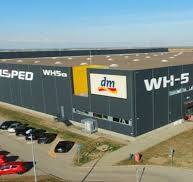
C&W expands into Austria with CBS International as exclusive affiliate
10th May 2024.
Aleksandar Opsenica
Editorial in Chief
AG Real Estate
REBEC
Cushman & Wakefield has signed an exclusive affiliate agreement with CBS International to deliver commercial property services in Austria. The affiliate agreement builds upon an existing successful relationship between the two firms, with CBS International having been Cushman & Wakefield’s affiliate in Serbia and Montenegro since 2018 and Croatia since 2019.
CBS International is an established business with around 400 employees. It will operate in Austria as Cushman & Wakefield CBS International, as it does in Serbia, Montenegro and Croatia.
It has established an office in Vienna’s 1010 district with a team of local market specialists and is delivering a range of brokerage and consultancy services. Led by Country Head, Thomas Schanda, the Cushman & Wakefield CBS International’s team in Austria also includes Capital Markets, Agency, Valuation & Advisory and Research & Insight specialists. The Austrian office is also supported by CBS International’s wider business allowing the delivery of all services.
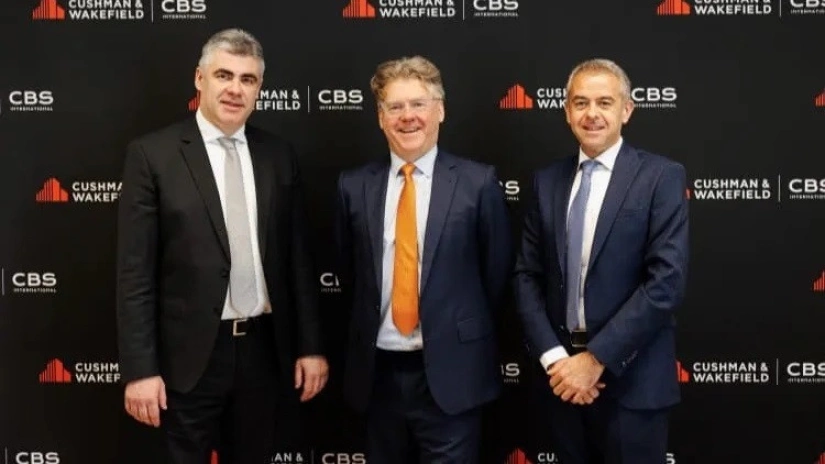
Peakside and Generali sell Austria Trend Hotel in Ljubljana
22nd April 2024.
Aleksandar Opsenica
Editorial in Chief
AG Real Estate
REBEC
On behalf of Generali Adriatic Value Fund, SIF, Peakside Capital and Generali Investments Slovenia have sold the Austria Trend hotel located in the capital of Slovenia. The buyer is Serbian company Agromarket d.o.o., Kragujevac. The fund purchased the hotel in 2019 from the Austrian company CA Immo. The adopted business plan involved renegotiating the contract with the hotel operator and a comprehensive property renovation.
Austria Trend is a 4-star facility excellently located in the capital of Slovenia, right next to the Ljubljana ring road. The hotel offers 214 rooms and 12 apartments, as well as numerous amenities for guests including a restaurant, fitness and wellness area with saunas, a conference centre with 11 rooms, and both surface and underground parking.
The Generali Adriatic Value Fund has the status of a special investment fund and is the first regulated alternative investment fund (AIS) in the real estate market in Slovenia. Managed by Generali Investments Slovenia with the support of Peakside, the fund aims to generate rental income and increase capital through investments in commercial real estate, including office, retail, logistics, and hospitality markets in the SEE region. The fund leverages a unique combination of Peakside Capital's real estate market experience with Generali Investment's global and local knowledge of institutional real estate investment management.

Trump’s son-in-law to invest in hotel developments in Serbia and Albania
5th April 2024.
Aleksandar Opsenica
Editorial in Chief
AG Real Estate
REBEC
Businessman Jared Kushner, the son-in-law of former US President Donald Trump, is now venturing into the Balkans with ambitious plans for transformative property developments across Albania and Serbia. Through his Miami-based private equity firm, Affinity Partners, Kushner is engaged in advanced discussions for investments exceeding $1 billion, aiming to reshape the landscape of tourism and real estate in Southeast Europe, the New York Post reports.
One of Kushner's ambitious projects involves the conversion of Albania's Sazan Island, once a military stronghold, into a luxurious Aman-branded eco-resort community. This endeavor underscores Kushner's vision to capitalize on the region's natural beauty and burgeoning tourism sector.
Kushner's interests extend beyond Albania, with Affinity eyeing another significant venture in Serbia's capital, Belgrade. Here, Kushner plans to revitalize a historic area left vacant since the NATO bombing in 1999, envisioning a luxury hotel, commercial spaces, and over 1,500 residences.
The article also notes that while these ventures promise economic growth and development for the region, they also attract scrutiny, particularly regarding funding sources. Affinity has secured substantial backing from Middle Eastern state-backed investors, including approximately $2 billion from Saudi Arabia's Public Investment Fund. Despite criticism, Kushner maintains that his firm follows all laws and ethics rules.

S Immo sells Zagreb office building to Hungary's OTP Group
19th March 2024.
Aleksandar Opsenica
Editorial in Chief
AG Real Estate
REBEC
S Immo has signed a contract to sell Zagreb tower to the OTP Group. The office building comprises a total net area of almost 26,000 m2 and has a BREEAM International In-Use Excellent certificate. The transaction is expected to close in the third quarter of 2024, subject to the necessary regulatory approvals.
The disposal is in line with S Immo's adjusted strategy of gradually withdrawing from the Croatian market. Tomáš Salajka, member of S Immo’s Management Board, comments: "We are pleased with this successful sale, which creates liquidity for investments in other core markets of S Immo."
This sale follows several others executed by companies controlled by CPI Property Group in a bid to raise cash for repaying debts.
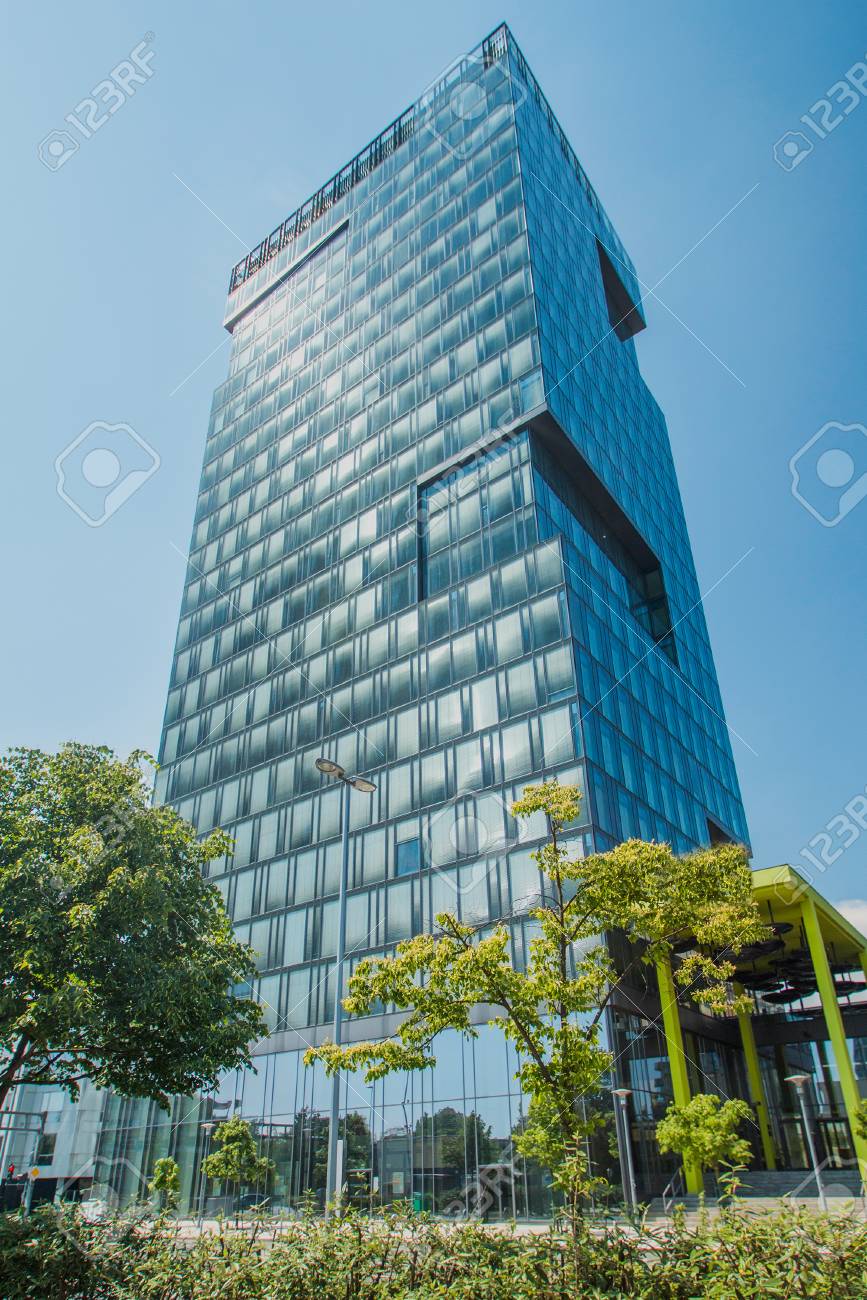
Announcement for MIPIM 2024, March 12-15, Cannes, France?
1st March 2024.
Aleksandar Opsenica
Editorial in Chief
AG Real Estate
REBEC
Official participant statistics 20,000+ delegates from around the world will visit Cannes. 90+ countries had their official representatives and delegations. The top 3 most represented countries at this year's event are: France (30% of participants), Great Britain (20%) and Germany (14%).
340 stands and pavilions spread over a total of 19,500 m˛ of exhibition space.
Main pillars and conclusions of the report
Launch of "Housing Matters"
For the first time, a special sub-summit dedicated to the housing crisis will be organized in cooperation with the organization Co-Liv. The focus is on build-to-rent models, micro-apartments and cooperative housing.
Road to Zero and ESG goals: Sustainability is a central theme. The main stage (Road to Zero Stage) is dedicated to practical solutions for the rapid decarbonization of buildings, the circular economy and the reduction of the carbon footprint in construction.
New investment wave: Due to the expansion of artificial intelligence, data centers and digital infrastructure are recognized as the fastest growing and safest sectors for investment in the next decade

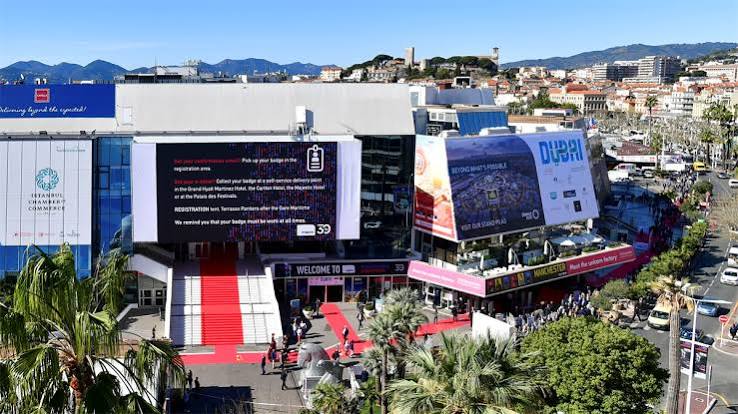
How can Slovenia’s ambitious public housing plan impact the market?
15th February 2024.
Aleksandar Opsenica
Editorial in Chief
AG Real Estate
REBEC
Slovenia is currently grappling with a pressing need for affordable rental housing as demand continues to outpace available supply. To address this crisis, a government plan was unveiled aiming to construct additional housing units to bridge the growing disparity in the market.
Growing Disparity Between Demand and Supply: Statistical data reveals that Slovenia lags behind the EU and OECD averages with only 410 dwellings per 1,000 inhabitants. Between 2015 and 2021, the number of households increased by almost 40,000, while only 23,000 new dwellings were constructed. This stark shortage led to an alarming 77% increase in the average price per square meter, making homeownership increasingly unattainable.
The Public Housing Strategy: The government intends to solve this by increasing the availability of public housing for non-profit rents. Currently, there are 23,000 such units managed by various housing funds, but the inventory has remained stagnant due to minimal public investments. The new strategy commits to building 5,000 new dwellings by 2026, starting with 1,000 units in 2024. Capital was raised by €25.5 million in 2023, with the same increase planned for 2024 to construct residential units and offer favorable loans to local funds, while an additional €100 million in loan financing is also being sought.
Feasibility Challenges Heavy reliance on public funding raises questions about the plan's feasibility during a time of public expenditure cuts. Experts suggest that depending solely on public funding poses a significant risk. To ensure successful implementation, the government may need to attract private financing and foster public-private partnerships, which are currently limited in the local housing market but could become essential due to budget constraints.
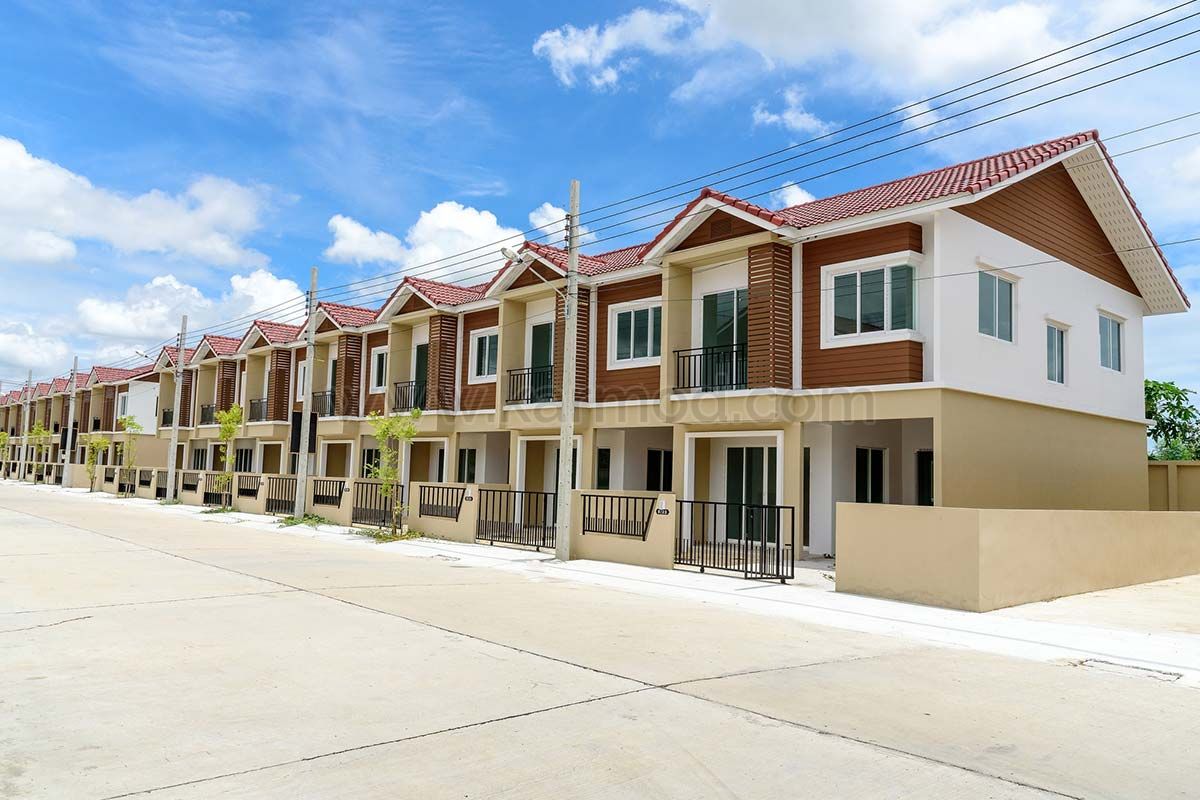
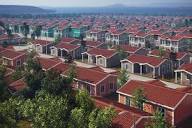

CBRE advises on Diófa’s acquisition of Belgrade office portfolio
1st February 2024.
Aleksandar Opsenica
Editorial in Chief
AG Real Estate
REBEC
CBRE South Eastern Europe (SEE) has advised Diófa Fund Management on acquiring Indotek’s Belgrade office portfolio.
CBRE acted as the real estate advisor in the transaction of the portfolio that comprises more than 122,000 sqm including 11 premium office buildings in 5 business parks in Belgrade’s central business district: Green Heart, FortyOne, Belgrade Business Center, 19 Avenue and GTC House office building.
That is the largest single transaction not only in Serbia, but in the region of Southeast Europe, and the second time CBRE advised on this impressive office portfolio. The market is proving to be both attractive and liquid, providing further confidence for growth.
CBRE’s Investment Properties department participated in over 50% of total investment volumes in the SEE region during 2023, which equals a 75% market share excluding direct transactions.
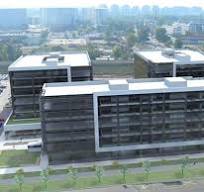

Immofinanz sells office asset in Zagreb
23rd January 2024.
Aleksandar Opsenica
Editorial in Chief
AG Real Estate
REBEC
Immofinanz has successfully closed the sale of the Grand Center Zagreb office property to a Croatian real estate company. This transaction represents a further step in the optimisation of the portfolio.
The sale of this business building in Zagreb shows that good results can be achieved in the optimization of a portfolio and in the current market conditions. In line with the strategies and focus on value creation, sales revenue is usually invested in the expansion and implementation of new innovative office solutions.
"Grand Center Zagreb" is a modern office building in the very heart of the Croatian capital. It offers tenants exclusive office space of around 16,000 m˛, as well as facilities such as numerous cafes and restaurants. The building was completed in 2006 and is fully leased.
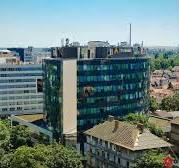

CBRE to manage CPIPG retail park portfolio in Serbia
9th January 2024.
Aleksandar Opsenica
Editorial in Chief
AG Real Estate
REBEC
CPI Property Group has appointed CBRE as manager of its Stop Shop retail park portfolio in Serbia, which comprises 14 retail parks in 14 cities and more than 120,000 m2 of leasable area. CBRE will provide integrated asset management solutions, including financial and property accounting services, leasing services, and will oversee all operational aspects of the property and tenants.
CPIPG continues to invest in sustainable solutions within the Stop Shop retail parks, setting significant trends in the market and numerous green building standards. The second phase of construction of the Stop Shop retail park in Subotica is expected to be completed in 2024, when it will become one of the largest in Serbia with a total area of 15,500 m2. There are also plans to expand the capacity of the Smederevo retail park in the following period.
CBRE continues the cooperation with CPIPG that began with operations in the region in January 2022, when they took over the management of the "Stop Shop" portfolio of retail parks in Slovenia, which includes 14 buildings and a lettable area (GLA) of almost 100,000 m˛. By consolidating the "Stop Shop" retail parks in Serbia, CBRE's property management team now manages more than 385,000 m˛ and 34 facilities of various uses - including business, logistics and retail facilities - in three Southeast European markets.
The model of real estate management is changing and it is strongly believed that the CBRE SEE company, thanks to its global experience, integrated solutions with an individual approach to each client, as well as a team of local experts, will contribute to the creation of advanced solutions and a better experience for both tenants and visitors of "Stop Shop" retail parks. With a partner like CBRE, CPIPG is successfully continuing the series of positive changes that "Stop Shop" initiated in the retail industry.
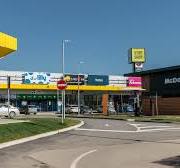

Wint leases 11,500 m2 from CTP in Serbia
20th December 2023.
Aleksandar Opsenica
Editorial in Chief
AG Real Estate
REBEC
CTP has leased 10,000 m2 of warehouse space and 1,400 m2 of offices at CTPark Belgrade City to Wagen International (Wint), an automotive parts supplier, for a new high-tech distribution centre.
Wint has taken a 10-year lease on space within a 110,000 m2 BGD1 building at CTPark Belgrade City which is now around 80% pre-let, to create an automated logistics facility that will revolutionize the way it stores and distributes goods. Named Autostore, it will be the first automated warehouse for autoparts in Serbia, representing a €7 million investment by Wint. Expected to be fully operational by March 2024, the facility will also benefit the local community by creating around 100 new jobs.
Spanning 27.5 hectares, CTPark Belgrade City will be the largest logistics hub in Serbia when complete. Strategically positioned close to both Belgrade’s main motorway and airport, the location of the CTPark will significantly enhance the efficiency of Wint’s European product distribution. Wint has also chosen CTPark Belgrade City, which is located just 10km from central Belgrade, for its new 1,400 m2 headquarter offices.
All space at CTPark Belgrade City will be modern, energy efficient and BREEAM certified, with a BREEAM very good rating being aimed for. Offices, exhibition space and a range of onsite amenities will also be available for tenants.
CTP is seeing a spike in demand from international companies seeking high-tech industrial and logistics facilities, driven by a combination of factors including ‘nearshoring’, where companies are moving their production facilities to be closer to where their customers are located to reduce supply chain risk.
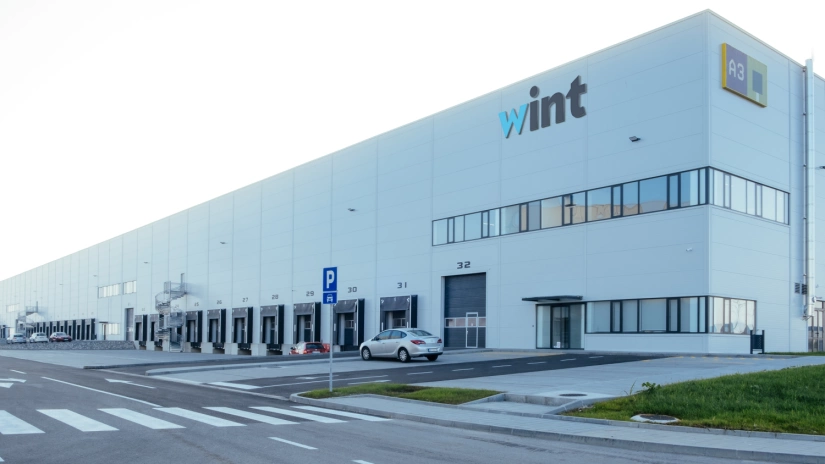
Final report from MAPIC 2023
1st December 2023.
Aleksandar Opsenica
Editorial in Chief
AG Real Estate
REBEC
This year’s MAPIC showcased the latest urban regeneration projects transforming cities globally, covering London, Lisbon, Paris, Berlin, Madrid, Milan, and more. While European projects maintained a strong presence, international projects from Saudi Arabia, Kuwait, India, Iraq, and Kyrgyzstan also participated as key attendees. This year’s focus on a more sustainable future was evident with the inaugural edition of the Sustainability Lab—a dedicated exhibition area including sustainable technology solutions applied to retail real estate—with discussions around sustainability serving as the common theme. Industry’s largest property players, including Unibail Rodamco Westfield, Klépierre, Apsys attended, with exhibitors including Cenomi, Carmila, Nhood, Ingka, Eurocommercial, Mabanee, ECE, and many more.
In total, more than 1,500 leisure and retail brands and 4,500 attendees took part in three days of high-level networking, professional meetings, and conferences—all with more sustainable growth for the future in mind.
Once again, MAPIC was the stage for major announcements across the retail real estate industry. During the Retail in the City Summit, Nhood premiered its new headline Entrecampos project in Lisbon. Tomorrowland Leisure, a subsidiary of Tomorrowland Music Festival, also premiered its all-new aqua-park concept, entirely powered by state-of-the-art solar energy solutions. The start of the week also saw the announcement of Savills’ acquisition of leading retail and leisure advisor Nash Bond to further expand its global offering. Unibail-Rodamco-Westfield and Digeiz also announced a partnership to deploy Digeiz's AI solutions across 24 European real estate centres.
MAPIC hosted a series of sold-out networking sessions, including the Retail in the City and Leisure Summits, which brought together leading property players including CBRE, Savills, Cushman & Wakefield, The Crown Estate, Triple Five and ROSHN. Projects presented included Canopia in Bordeaux developed by Apsys, Battersea Power Station and King’s Cross in London and Nhood’s brand-new Lisbon Entrecampos project. These landmark regeneration projects all demonstrated the importance of partnering with public institutions to deliver the city of tomorrow. Using the aforementioned locations as examples, the session outlined how destinations can activate more resilient, more sustainable, and more inclusive city.
Further examining a similar theme, Repurpose with Purpose discussed how to breathe new life into destinations, with the ultimate measure of success being that people feel “the place has always been there”.
In addition to European developers, the exhibition showcased the best of international property projects including Cenomi Centres from Saudi Arabia, Mabanee in Kuwait, Bhutani Infra from India, Ashur Mall in Iraq, and Manas Tower, Kyrgyzstan. Other returning exhibitors included VIA Outlets, Eurcocommercial, Carmila, Nhood, Ingka, JLL, ARCUS, Svicom and more—as well as pavilions from several European regions.
Next year’s MAPIC will take place between 26 – 28 November 2024 at the Palais des Festivals in Cannes. See you there!
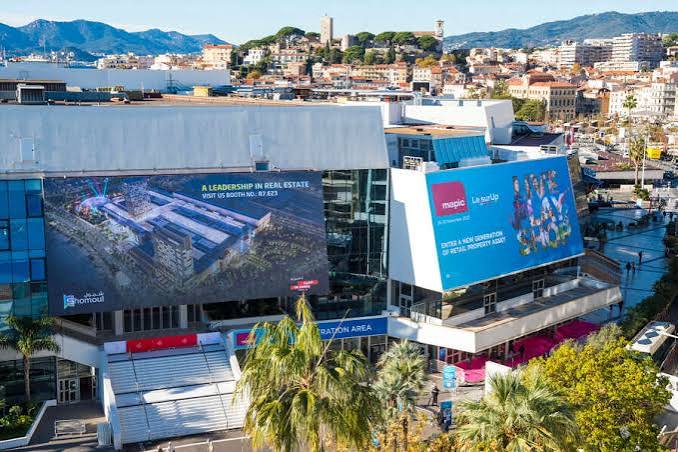

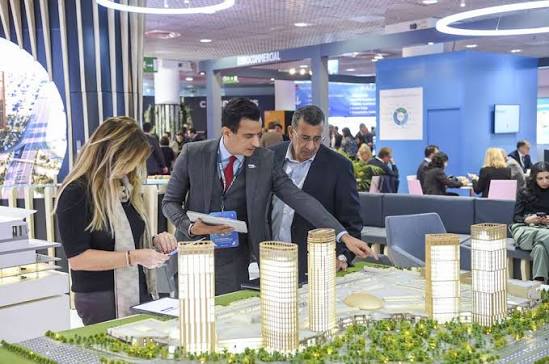
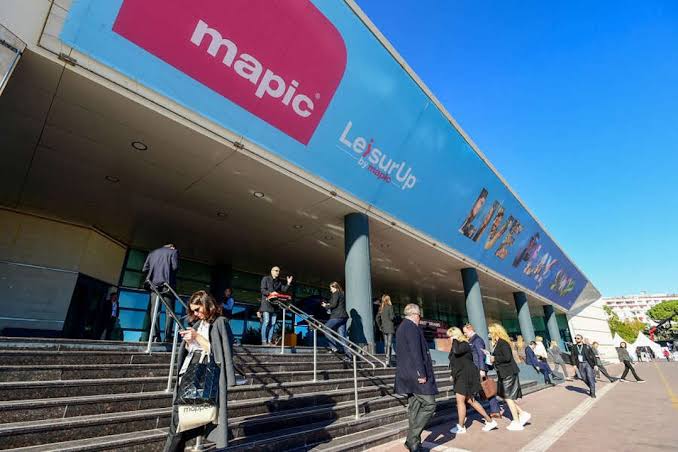
EBRD provides €100 million for BIG CEE's Western Balkans expansion
12th November 2023.
Aleksandar Opsenica
Editorial in Chief
AG Real Estate
REBEC
The European Bank for Reconstruction and Development (EBRD) is boosting the development of green commercial real estate in the Western Balkans, with a debt package of up to €100 million to be used by BIG CEE for the company’s regional expansion.
The company will use the loan to finance the development, upgrade and acquisition of modern retail parks and shopping centres across the Western Balkans. The developer is also committing to securing BREEAM international sustainability certification for all buildings financed by the EBRD.
Austria provided technical assistance through its Delivering Resource Efficiency Investments (DRIVE) programme, helping the company to carry out market, technical, and sustainability assessments of this transaction.
To date, the EBRD has invested more than €8.7 billion in Serbia through 340 projects, of which nearly 70 per cent supported the private sector. The Western Balkans is a priority region for the EBRD, where the Bank remains one of the largest institutional investors.
New retail parks opening in Serbia announced for 2025
29th October 2023.
Aleksandar Opsenica
Editorial in Chief
AG Real Estate
REBEC
Investors' interest in the construction of retail parks in Serbia has not been declining for several years now. Investors are mostly focused on building new facilities in secondary and tertiary locations. As much as 14% of the total offer of retail parks in Serbia is located in the region of central Serbia. The Šumadija region is attracting more and more attention, so the company Peštan announced the opening of a new retail park in 2025 - Arandjelovac Retail Park.
Positioned on the main approach to Arandjelovac City from the east and only 2 km from the city centre, Arandjelovac Retail Park will cover 10,000 m2 and include over 15 retail units. Sufficient parking spaces are provided for all visitors, and the mix of tenants will include family entertainment, a supermarket, restaurants and cafes, international and domestic tenants offering fashion, sports equipment, home and household equipment, and the arrival of new brands is also announced.
In the same way, they are committed to the construction of Arandjelovac Retail Park, which will be built in accordance with ESG standards, which will have an impact not only on the environment but also ensure more sustainable business and cost reduction for the tenants themselves.
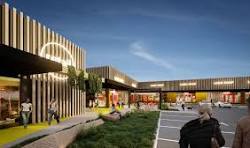
Lack of liquidity still blocks major investments in SEE
12th October 2023.
Aleksandar Opsenica
Editorial in Chief
AG Real Estate
REBEC
SEE is still a land of opportunities but things go too slowly. The size of a single country is too small for international institutional investors who prefer to buy large portfolios rather than individual assets. However, sizeable local players were optimistic about the change in foreign investors’ attitudes at the panel devoted to the investment market in this region at CEE Property Forum 2023 in Vienna.
The panel discussion concluded that the primary obstacle hampering investments in Southeast Europe (SEE) is a distinct lack of liquidity.While greater liquidity is anticipated in the medium term, transaction size remains a critical factor. The market currently lacks large portfolios, but individual assets of high quality are available in certain countries. Furthermore, the yield compression observed in Western Europe is absent in the SEE region, allowing specific local assets to remain highly attractive.However, the implementation of ESG criteria is projected to impact the SEE region severely.
Related compliance costs have risen rapidly, increasing by at least 20–30% compared to the previous year. Consequently, replacing major tenants who vacate buildings that fail to meet ESG requirements will present significant challenges. In such cases, cash flows will no longer be guaranteed, inevitably forcing banks to intervene. Another major issue is the excessive duration of contract negotiations. While retail parks are efficiently liquidated within 3–4 months, office building transactions require at least 6–7 months to close, and hotel deals can take up to a year, rendering these processes highly unstable.
On a more optimistic note, while market uncertainty remains a primary concern for investors and developers, recent progress toward EU membership in Serbia provides strong grounds for accelerated positive changes. To capitalize on this, there is an urgent need to raise market awareness and improve the geopolitical image of both individual countries and the region as a whole to attract Western capital. Regarding short-term investment prospects, institutional investors naturally favor established EU markets. However, prime assets in the SEE region become highly competitive if their yields sit at least 200 basis points above the average EU level.

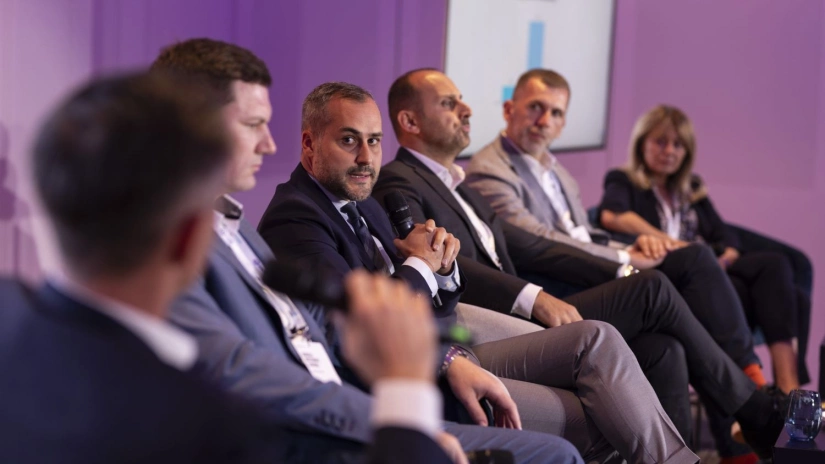
Expo Real 2023: highlights from the event
10th October 2023.
Aleksandar Opsenica
Editorial in Chief
AG Real Estate
REBEC
Expo Real 2023 took place from October 4 to 6, 2023, at the Messe München exhibition center in Munich, Germany, bringing together 1,856 exhibitors from 36 countries and 40,000 participants from 70 countries across seven halls.
Key Themes and Market Situation
Market Climate: Discussions centered on navigating high inflation, increasing interest rates, and stagnating construction projects.
ESG and Sustainability: Environmental, Social, and Governance criteria served as the overarching topic, with banks prioritizing financing exclusively for ESG-compliant real estate products.
Innovation Amid Crisis: Industry leaders viewed the market slowdown as a period for necessary "spring cleaning," fostering innovation, green technologies, and enhanced data management.
Sector Highlights: The event featured strong representation from diverse sectors, including a notable rebound in the hotel and senior living industries via the World of Hospitality joint stand.

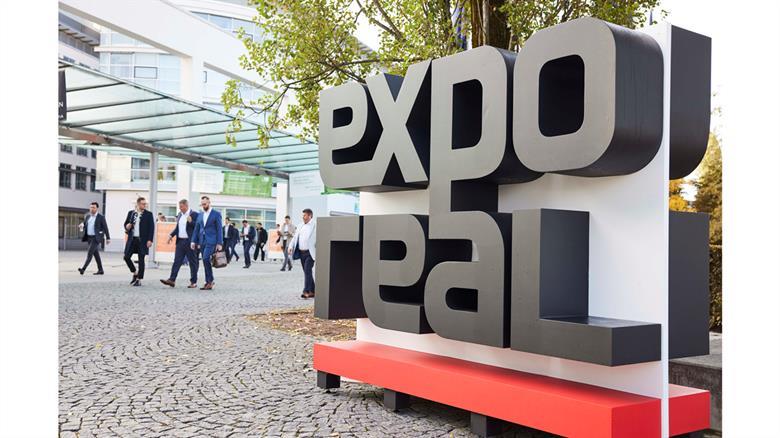
IO Partners expands in Serbia and SEE
25th September 2023.
Aleksandar Opsenica
Editorial in Chief
AG Real Estate
REBEC
iO Partners, JLL’s preferred partner, has opened a new office in Belgrade, Serbia. From this location, the real estate consultancy will also cover neighboring countries including Croatia, Slovenia and Montenegro. This is the company’s first new office opening since its new CEE structure was put into place in the summer of 2023.
The operation will be overseen by Jelena Radulovic, who is joining as the firm’s new Managing Director. She has over 20 years of real estate experience in Serbia and was previously Director of CBS International before setting up her own real estate advisory firm.
Belgrade has been selected as a new expansion location due to both Belgrade’s strategic location within the Southeastern European area and also the huge opportunities on the ground in Serbia.

CTP secures 68,000 m2 lease in Serbia
10th September 2023.
Aleksandar Opsenica
Editorial in Chief
AG Real Estate
REBEC
CTP has leased approximately 68,000 sqm of industrial and warehouse space to Mercator, a major Serbian supermarket chain, at CTPark Belgrade City, which will be the largest logistics hub in Serbia when complete.
Mercator specialises in the retail and wholesale of fast-moving consumer goods, and its new space will be used for the company’s new Serbian distribution centre, with the aim of centralising all its warehousing requirements under one roof. The business wants to further improve the efficiency behind its point-of-sale network in Serbia of almost 300 Idea branded retail stores, 33 Roda supermarkets, two Mercator hypermarkets and four Velpro wholesale centres.
Mercator has taken approximately 68,000 sqm of space on a 15-year lease, at a new circa 110,000 sqm building currently under construction at CTPark Belgrade City that is almost 80% pre-let now. Mercator will occupy around 59,000 sqm of warehouse space and 4,000 sqm of mezzanine space, with an additional 1,000 sqm of office space and around 3,000 sqm of sanitary space.
CTPark Belgrade City will comprise 135,000 sqm of industrial floorspace in total when complete. Situated in New Belgrade, the largest municipality in the capital, CTPark Belgrade City is perfectly located for last-mile and city logistics, being less than 10km away from the city centre and only 10km from Belgrade Airport. With unit sizes starting from 2,500 sqm the modern park is also ideal for small and medium-sized enterprises operating across a wide range of sectors including FMCG, pharmaceutical, high-tech and e-commerce. All space at CTPark Belgrade City will be modern, energy-efficient and BREEAM certified, aiming to achieve a minimum of BREEAM Very Good, while offices, exhibition space and onsite amenities are also available for tenants.
Since it started operating in Serbia, CTP has launched multiple projects and currently has 13 buildings across its portfolio with a total area of over 285,000 sqm, as well as 250,000 sqm under construction.
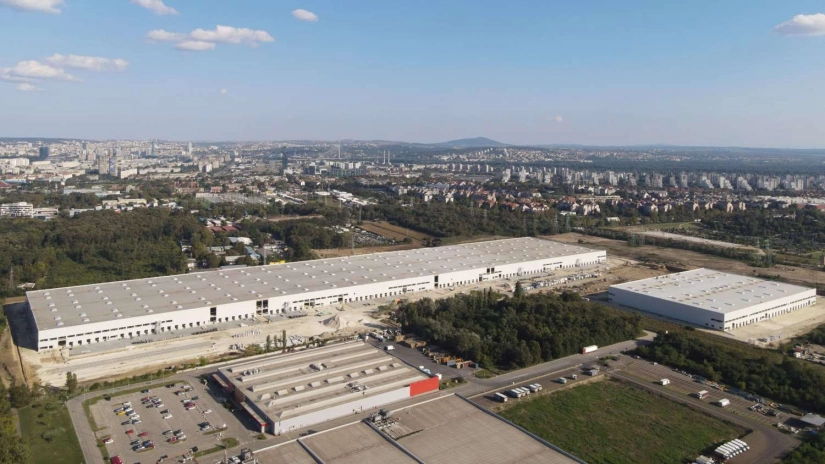
Marriott debuts new brand in Croatia
20th August 2023.
Aleksandar Opsenica
Editorial in Chief
AG Real Estate
REBEC
AC Hotels by Marriott, part of Marriott Bonvoy’s portfolio of 31 brands, announced its brand debut in Croatia with the opening of AC Hotel by Marriott Split. Housed on the high floors of the 135-metre-high Westgate Tower, the hotel offers 214 guestrooms.
Housed in a prime location in the city centre of Split, AC Hotel by Marriott Split is set to serve as the perfect base for a seamless, comfortable experience for both business and leisure travellers.
AC Hotel by Marriott Split serves flavours of Mediterranean cuisine in Laureto Restaurant and a range of cocktails at the Cumano Bar. Other facilities include 178 SPA featuring an indoor pool, sauna and steam room; a 325 square-meter meeting space accommodating up to 240 people, and a gym with state-of-the-art Matrix equipment and unobstructed views of the Adriatic Sea.
The opening of AC Hotel by Marriott Split marks an exciting chapter for the local hospitality industry as Marriott International brings the AC brand to Croatia. It will significantly contribute to the economic growth of the region by attracting both business travelers and tourists, as well as by strengthening corporate partnerships.
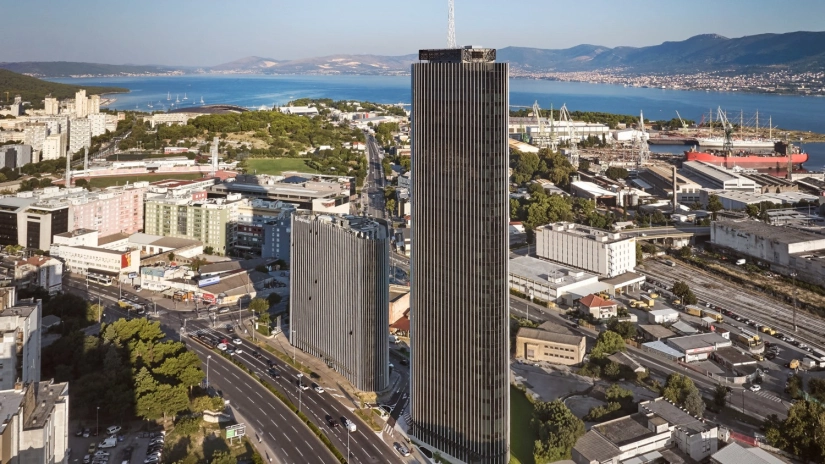
Marriott International signs new hotel in Croatia
1st August 2023.
Aleksandar Opsenica
Editorial in Chief
AG Real Estate
REBEC
Marriott International has signed an agreement with Valdarke d.o.o. to bring an Autograph Collection resort to the island of Cres in Croatia. Expected to open in the second quarter of 2024, the new-build Autograph Collection property in the island of Cres is anticipated to offer 49 rooms and suites, two outdoor pools, a beach area with a bar, various dining options, and a spa.
Great satisfaction was expressed regarding the official partnership with Valdarke d.o.o., which will introduce the first Autograph Collection hotel to the island of Cres. It was noted that this agreement reinforces the growing demand for international hotel brands in the region, as well as the expansion of Marriott Bonvoy’s resort properties in Croatia. Furthermore, Croatia was highlighted as a fantastic leisure and business destination, boasting coastal vistas and unrivalled nature.
The project owner at Valdarke d.o.o. proudly stated that the signing of this contract marks the beginning of an extraordinary chapter for the new hotel on the island of Cres. It was emphasized that, aligned with the prestigious Autograph Collection brand, the team is fully poised to create an unforgettable experience where every detail reflects a commitment to excellence. Through energy-efficient design, responsible waste management, and local partnerships, the hotel strives to minimize its ecological footprint. Finally, travelers were invited to embark on a voyage of exceptional hospitality where the rare and extraordinary converge, with a concluding note expressing great anticipation for welcoming the first guests to this new oasis on Cres.
To date, Marriott International’s portfolio in Croatia encompasses five properties in Croatia’s key tourism and business destinations: Sheraton Dubrovnik Riviera, Le Méridien, Lav, Split, AC by Marriott Hotel, Split as well as the Westin Hotel and Sheraton Hotel in Zagreb. Further openings include Opatija Marriott Hotel estimated to welcome guests in 2025 and Autograph Collection property in Komiza in 2026.
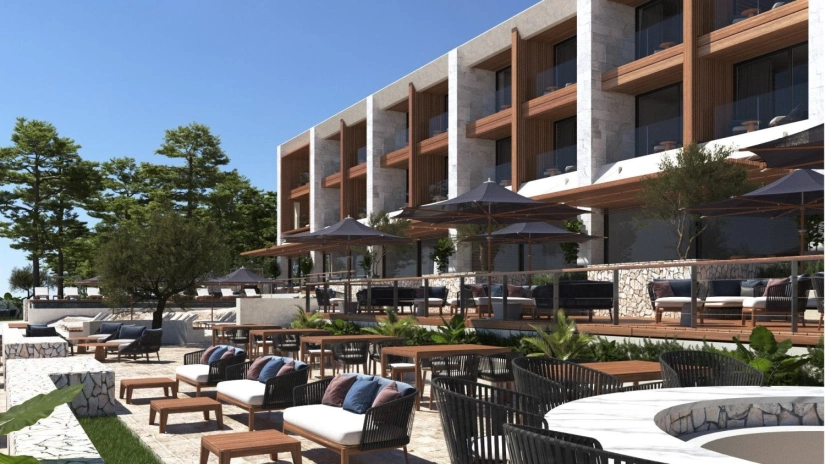
CBRE SEE brokers sale of Ljubljana office building
21st July 2023.
Aleksandar Opsenica
Editorial in Chief
AG Real Estate
REBEC
CBRE SEE’s Capital Markets team has acted as a sell-side advisor to Zetland Capital in the disposal of the 11,800 m2 Situla Business Center office complex in Ljubljana, the advisory firm announced. The buyer’s name and the purchase price have not been disclosed.
The transaction shows investors’ confidence in the office segment across Slovenia and acts as another proof of market liquidity across SEE with more deals to occur until year-end.
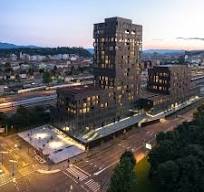
Is It Time to Invest in Premium Real Estate?
1st July 2023.
Aleksandar Opsenica
Editorial in Chief
AG Real Estate
REBEC
The panel discussion at the REBEC 2023 conference concluded that luxury residential complexes are increasingly recognized not only as premium housing options but also as robust investment vehicles. Panelists confirmed that market conditions remain highly favorable for high-end developments, noting that sustained buyer demand for exclusivity ensures a stable and resilient market for investors.
Contemporary premium real estate development relies on three critical operational and strategic segments to deliver incremental value and justify premium pricing:
Bespoke Design and Client Psychology: The architectural and design approach to premium assets is inherently non-uniform. Project success hinges on the designer's ability to identify the latent, unstated needs of high-net-worth individuals during initial consultations. Current market standards emphasize maximum comfort, value-added services, and wellness-centric features, leading to the integration of hotel-grade spa and wellness facilities within private residences.
Digital Tools as Sales Enablers: Advanced proptech solutions and digital visualization platforms have become indispensable in project marketing. These technologies enable developers to effectively bring off-plan projects to life. Prospective buyers gain comprehensive visibility into interior layouts, architectural finishes, and macro-environmental factors, such as neighborhood infrastructure, schools, and green spaces.
Cost Control and Capital Optimization: Rigorous financial management is paramount during the planning phase of luxury developments. Early-stage stakeholder alignment is essential to engineer solutions that respect budgetary constraints while maintaining premium standards. Total capital expenditure is heavily influenced by prime location acquisition costs and the proprietary value-added features integrated into the asset.
The panel also highlighted distinct operational and consumer behavior patterns across different geographical jurisdictions:
Emerging Regional Markets: Case studies from adjacent markets, such as Romania, indicate robust growth in the real estate sector and an expanding demographic capable of acquiring premium residential assets. However, the primary operational headwind in these regions remains a deficit in the domestic labor force. Construction firms are mitigating this supply-chain risk by sourcing skilled labor from Asian markets, such as Vietnam.
Purchasing Drivers: In specific regional markets, buyers prioritize location above all else, followed by brand equity and project image. Material quality and energy efficiency remain secondary considerations in the initial decision-making hierarchy.

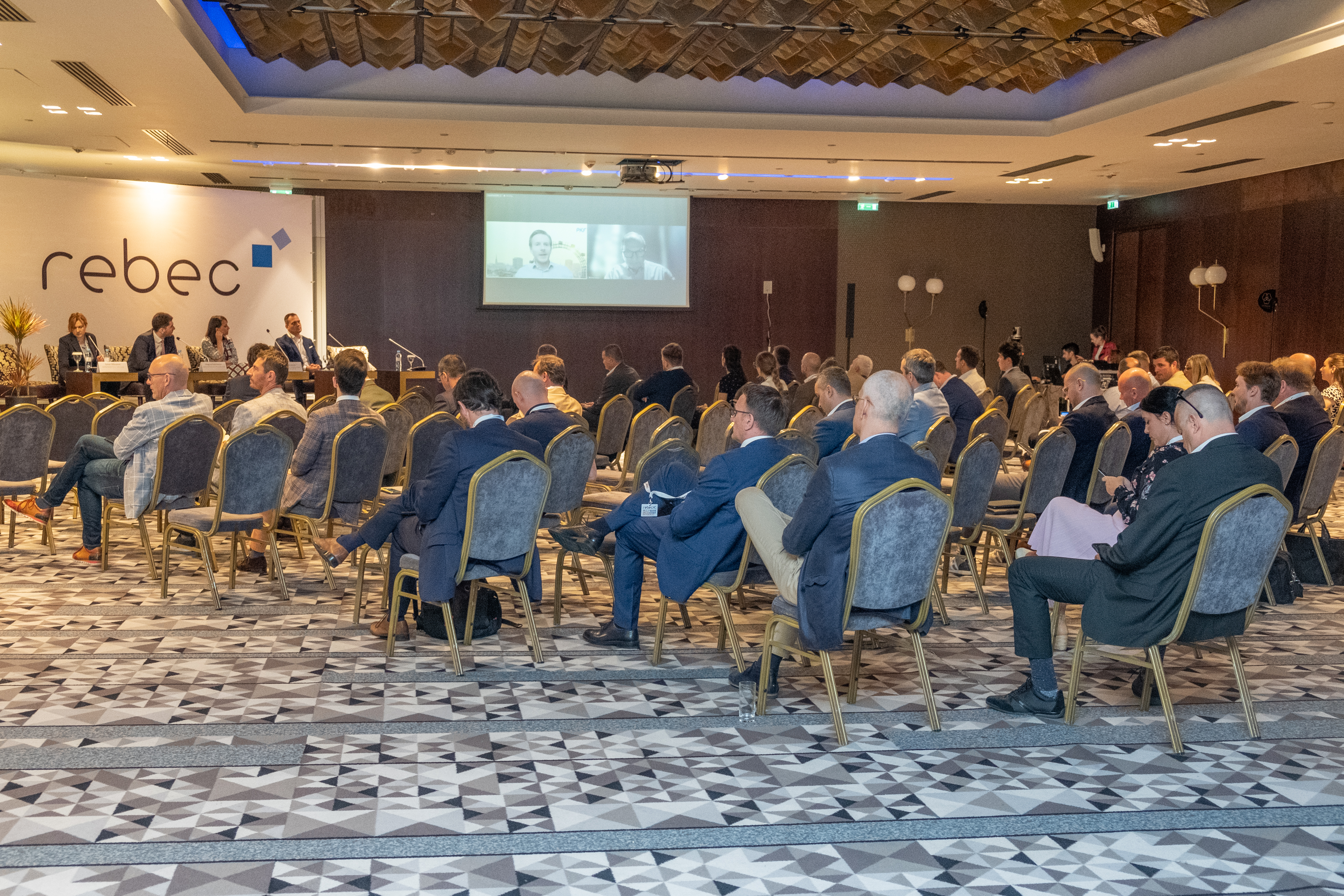
Influence of Brownfield Investments on Real Estate Market in SEE
26th June 2023.
Aleksandar Opsenica
Editorial in Chief
AG Real Estate
REBEC
The investments in the real estate market are moving in two directions – towards the city periphery and undeveloped land on one hand and toward investing in old and underused complexes, which are mostly located in central city cores, on the other. Of course, these are greenfield and brownfield investments, which were discussed within REBEC 2023 conference.
Sava Centar is currently the biggest brownfield investment in Serbia. The main challenge was to utilize the entire volume, spaces, corners, which have not been utilized in the right way in this monumental edifice. Sava Centar was built relatively fast, in three years, and they had plenty of challenges, and also, in all these years, many improvisations have been carried out, which have not been documented.
In the past, many things were done without the paperwork, or in line with the laws which were in place at the time, and which are now considerably different. For example, some buildings had been raised before the earthquake in Skopje, after which we adopted entirely new laws when it comes to stability and safety. In fact, the same regulations that apply to greenfield investments also apply to brownfield investments, we need to certify the buildings in the same way.
Still, the investors find value in brownfield investments, and their biggest advantage, is that they can be found in good locations, often in central city zones. Such buildings in Serbia and Belgrade are often even older than those in Europe, so, he adds, the government should be interested in adopting a strategy of the reconstruction of those edifices.
Investments in brownfield locations need to be incorporated in our laws as well as possible. She adds that, on the state level, a register of brownfield locations should be established. There is no law in Serbia which defines brownfield investments in a single way. They can be facilities which have existed for years, or are under construction, in any case, they are facilities in which there have been no activities for a long time.
With greenfield investments, there is land and you check who owns it, you check the permits and potential limitations. For brownfield investments, the status of the facility and the land needs to be checked and the fact that the facilities were built before the current laws and that they are therefore now considered illegal needs to be taken into consideration. In addition to the new regulations on earthquakes, there’s also the surroundings, the energy efficiency.
If we’re talking the crediting of greenfield investments, client would have to be the owner of the land. In brownfield investments, we are not interested in the land, but in the business and the income. The checks can be more detailed for brownfield investments, because there are more technical risks there.

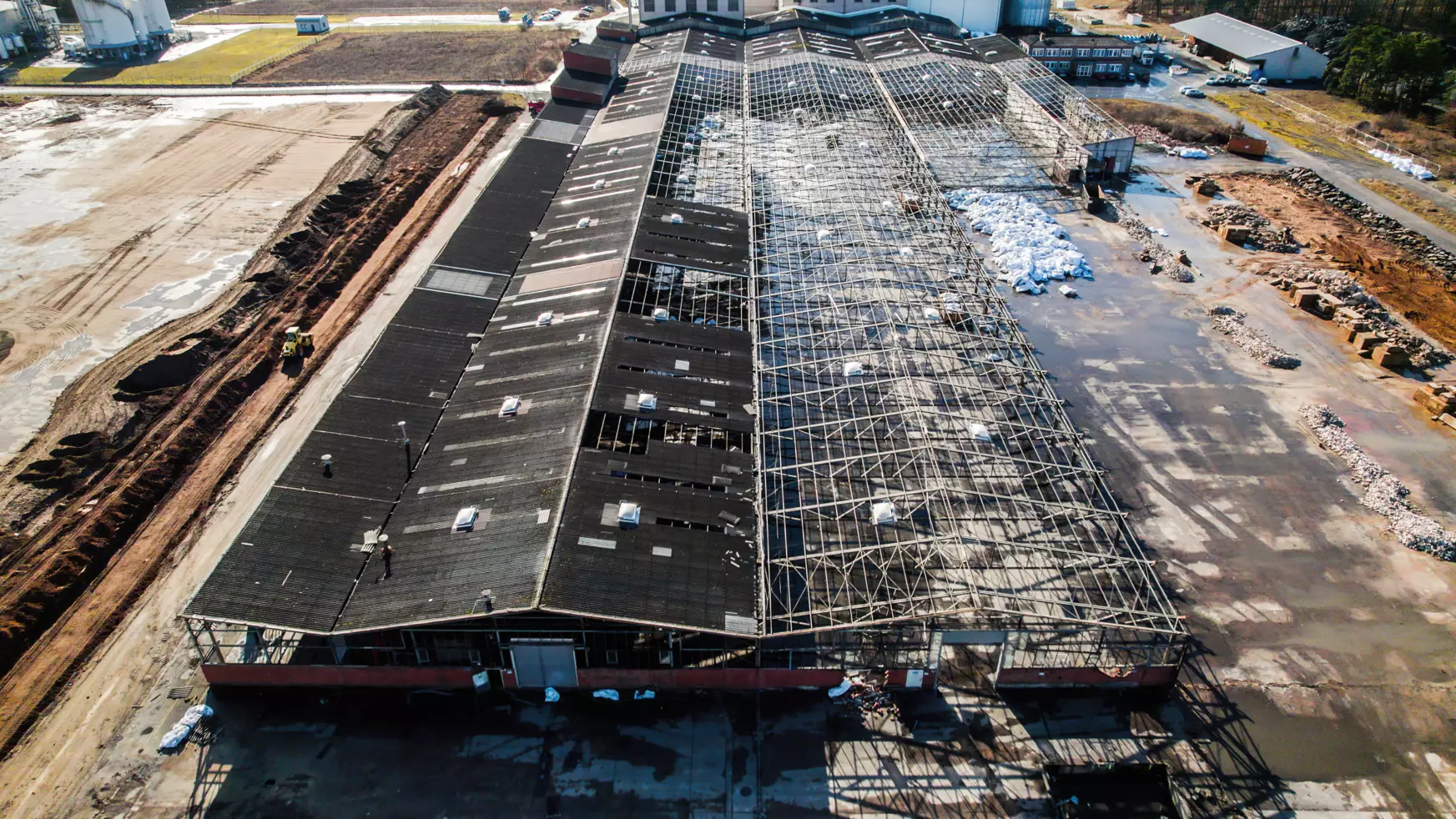
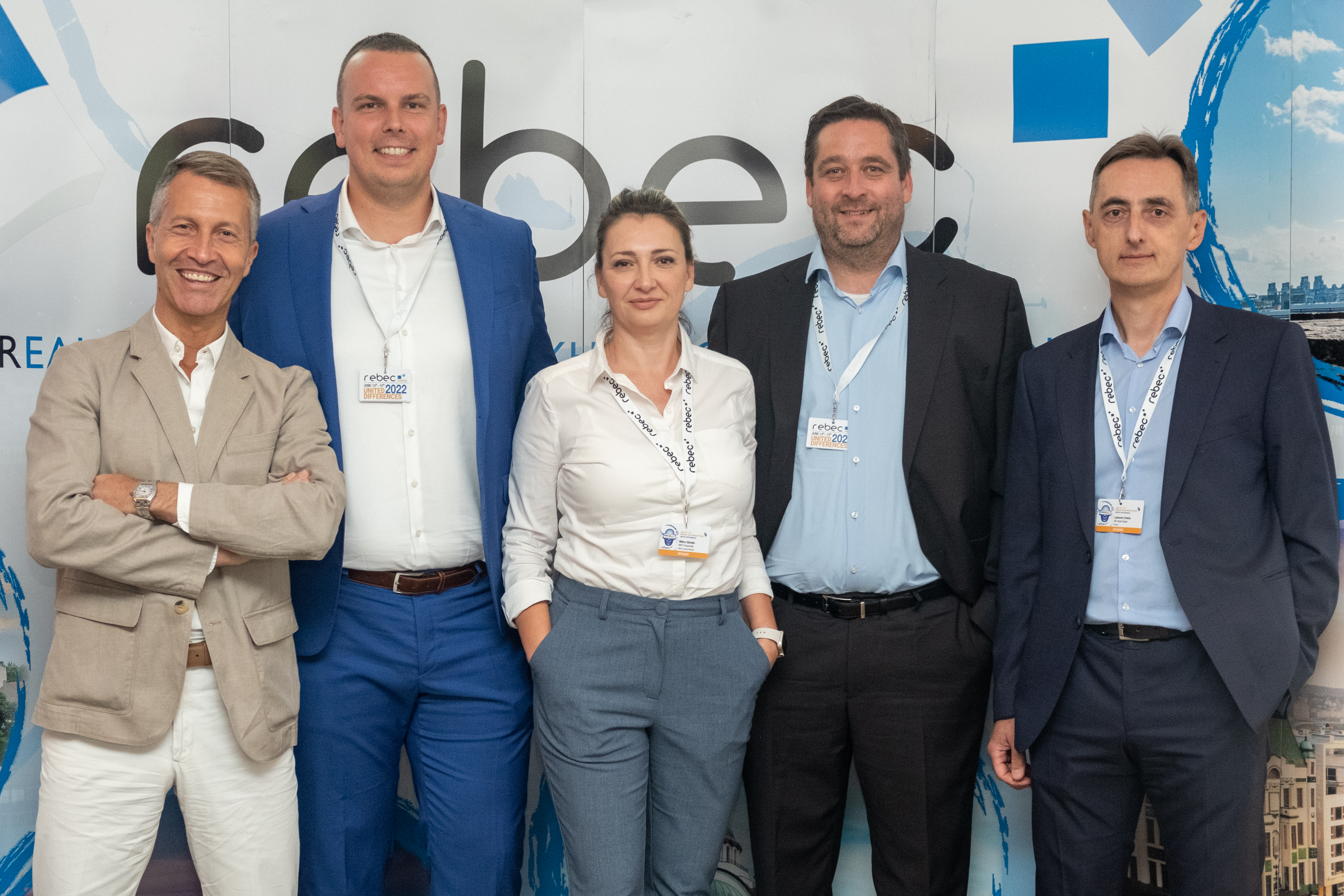
XVI REBEC Opens – Real Estate Market Worth EUR 7.5 Billion Last Year
19th June 2023.
Aleksandar Opsenica
Editorial in Chief
AG Real Estate
REBEC
This year, REBEC is being held for the 16th time, and this is the first time that more attention is paid to the topics of artificial intelligence and digitization in the real estate sector. At the opening of the conference, he reminded that the real estate market in Serbia was worth a record EUR 7.5 billion in 2022.
For the sixteenth time, Belgrade will host the most prominent representatives of international companies from over 40 countries, responsible for shaping global trends in real estate development.
During the three days of the event, through 26 panels, burning issues from the fields of the development of hotel management, retail, office space, logistics and industry, as well as apartment construction, will be presented. We will present new tendencies in legislation, banking and new trends in modern urban planning and architecture.

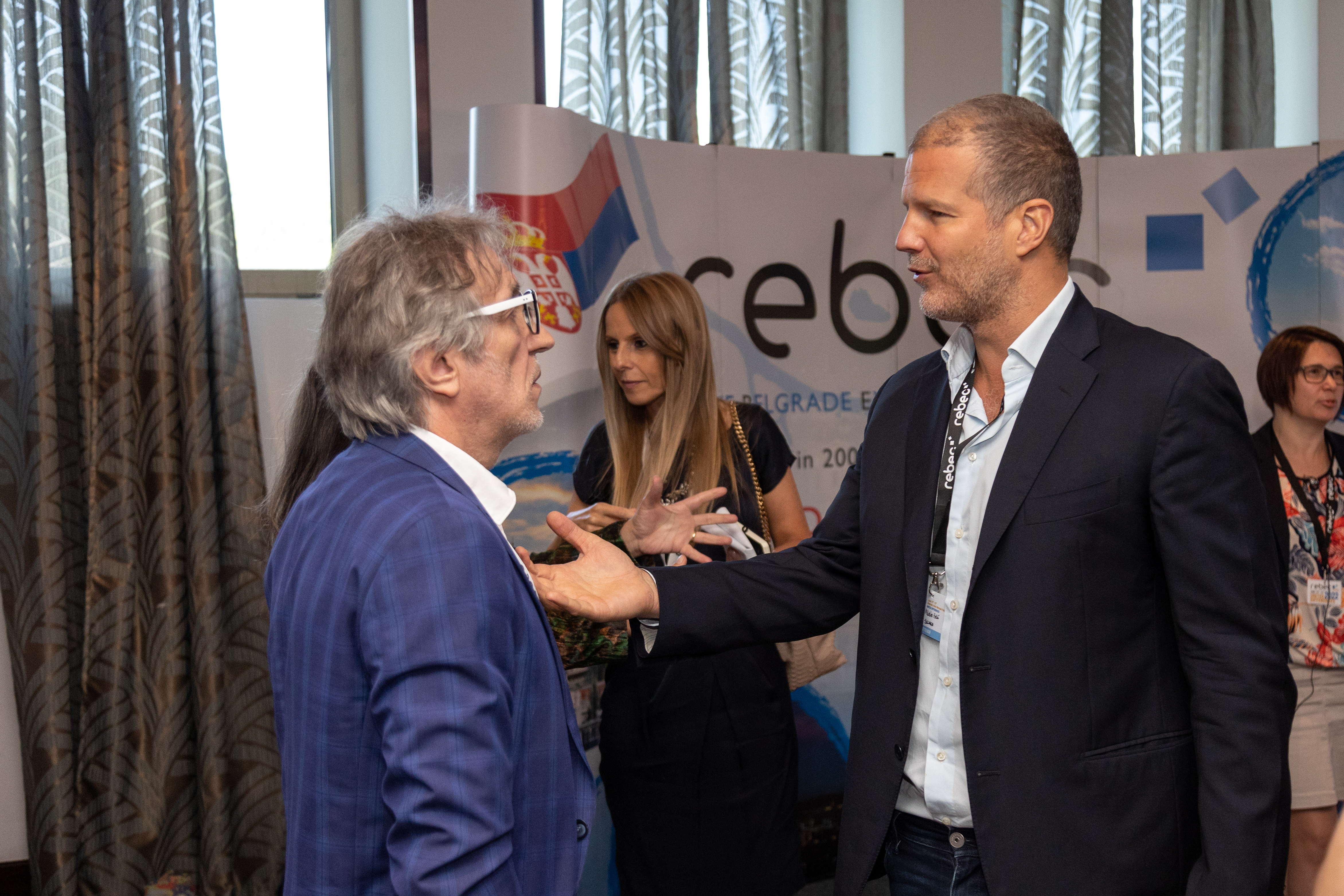
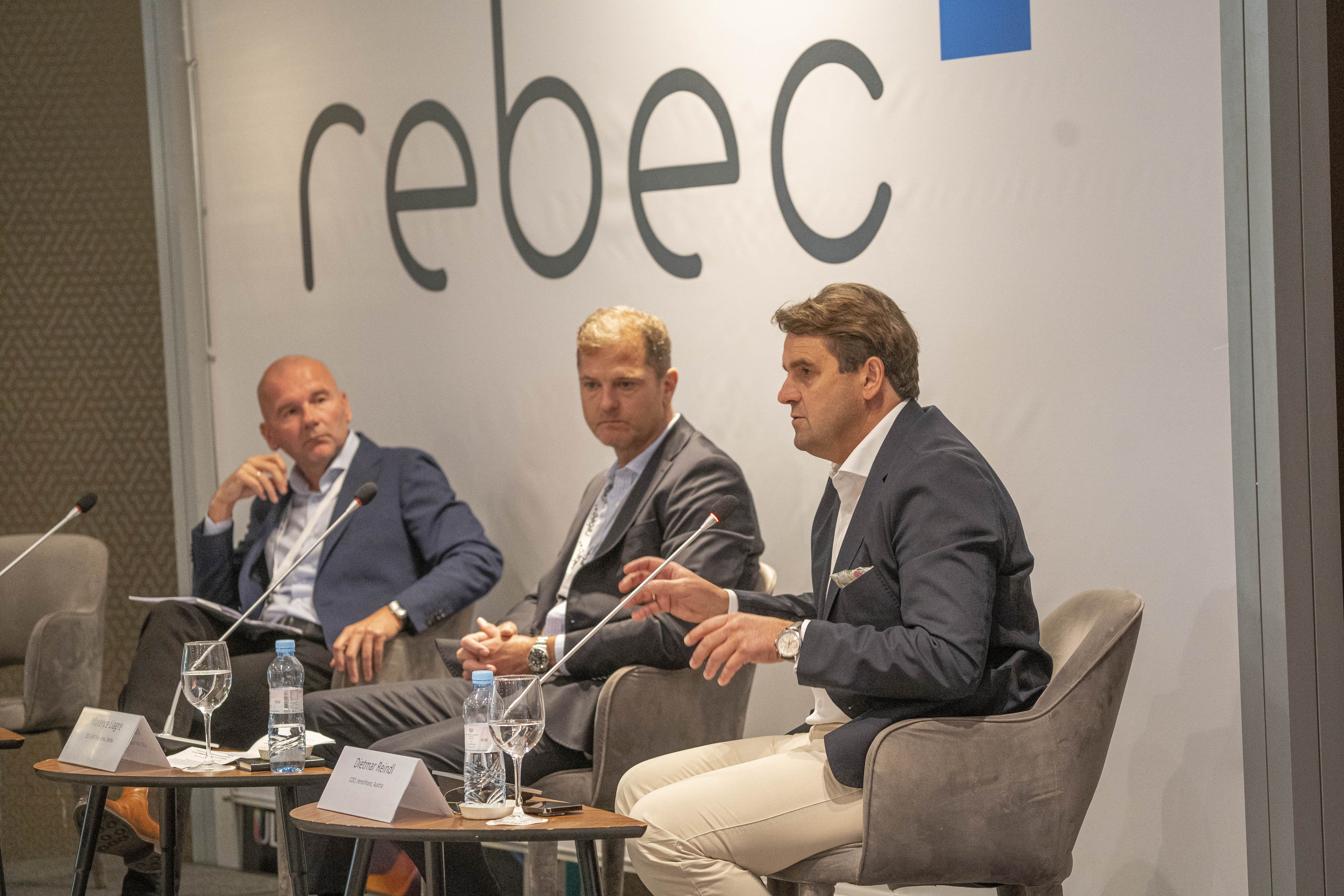
CA Immo sells Belgrade asset to local investor
29th May 2023.
Aleksandar Opsenica
Editorial in Chief
AG Real Estate
REBEC
CA Immo has successfully signed and closed the sale of the Serbian office complex Belgrade Office Park to a domestic investor. With two buildings and an underground car park, the complex comprises approx. 27,200 m2 of total lettable space. The building, which is located close to the city centre, was 97% let as of April 30, 2023, with annualized gross rental income of around €4.4 million.
CA Immo pursues a dynamic and value-accretive investment and divestment approach, concentrating its activities on high-quality office assets in the key gateway cities with high growth perspectives and resilience. Overriding targets of the portfolio strategy are to increase portfolio quality to ensure long-term competitiveness and to expand the core markets of Germany and Austria to more than 80% of the total portfolio in the medium term.
CBRE acted as exclusive financial and real estate advisor and CMS as legal advisor to CA Immo in this sale process. Investment Manager, on successfully closing this transaction. This is an instrumental transaction for the Belgrade market taking into consideration the worldwide challenges related to interest rates and capital markets in general. Such a transaction proves that the interest for Southeastern Europe is still being active at competitive yield levels. As of Q1 2023, CA Immo's Serbian portfolio consisted of two office buildings in Belgrade - Sava Business Center and Belgrade Office Park (BOP) - with a total lettable area of around 50,000 m2. Belgrade Office Park has a BREEAM sustainability certification, Sava Business Center is certified according to the LEED standard.
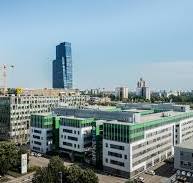
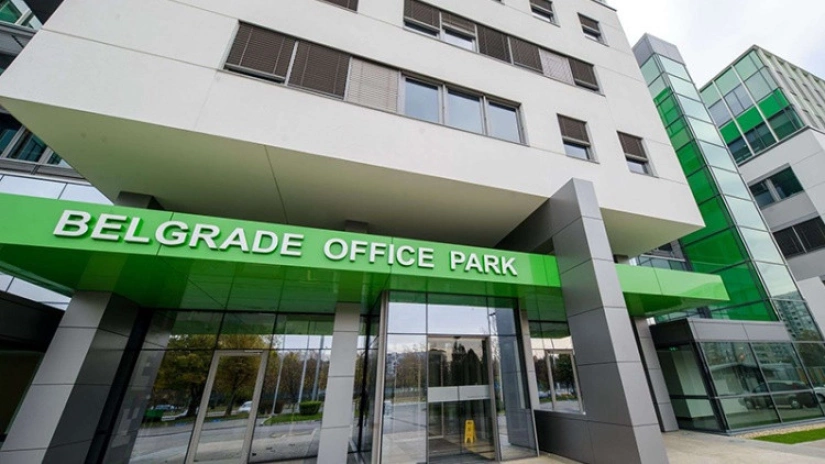
Czech developer UDI builds resi project in Serbia named „Lastavica“
10th May 2023.
Aleksandar Opsenica
Editorial in Chief
AG Real Estate
REBEC
The Lastavica development project in Belgrade, Serbia, has just completed its rough construction. The first building of the project, which will offer almost 500 flats and require an investment of more than €84 million, will be completed by the Czech developer UDI Group in spring 2024, while the construction of the second of the project's two buildings will begin at that time.
The first of two 11-storey apartment buildings in the so-called New Belgrade on a plot of land four kilometres from the city centre. A total of 492 apartments, 39 shops and 650 parking spaces will be built there. Work is now underway on the interior installations, followed by the installation of windows and partitions in the interiors. Everything is on schedule so that we can complete the first building in the spring of next year. The Lastavice project will be another in an area that is developing very quickly. The project comes from the local architectural studio ZAP, which won the architectural competition. It has designed two L-shaped apartment buildings on a 9700 sqm plot.
In addition to housing, UDI Group is also planning logistics in Serbia. In addition to Serbia and the Czech Republic, the Czech developer UDI Group is also active in Hungary and Poland and, since last year, in Latin America. It does not focus only on residential projects, it is a complex investor that builds housing, offices, shopping centres and industrial development.
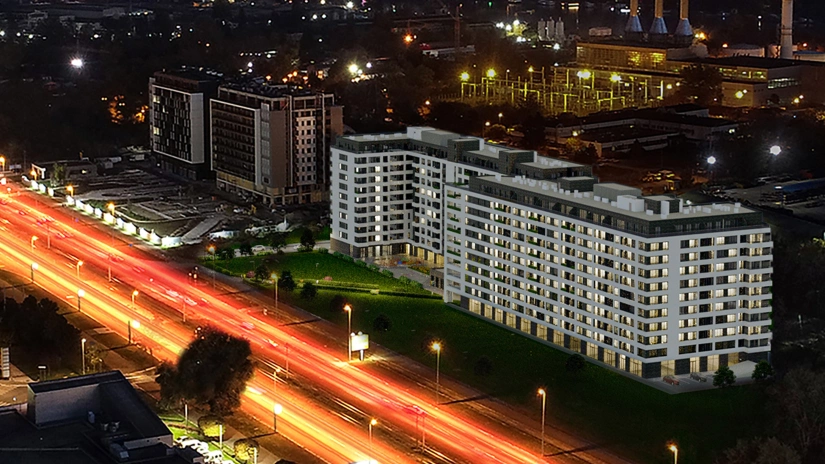
Radisson Red to arrive in Belgrade
29th April 2023.
Aleksandar Opsenica
Editorial in Chief
AG Real Estate
REBEC
Radisson Hotel Group announced the debut of its upscale Radisson Red brand in Serbia with the signing of Radisson Red Belgrade, set to open later this year. Located just minutes from the capital’s historic centre, Radisson Red is the first Radisson Red branded hotel to be operated by PPHE Hotel Group’s Croatian subsidiary Arena Hospitality Group. This collaboration is made possible under the extended strategic partnership between Radisson Hotel Group and PPHE Hotel Group, through which both companies intend to leverage each other’s brands and strengths.
Radisson Red Belgrade is located on Takovska near the National Assembly of the Republic of Serbia and will offer 88 rooms including three suites. The design scheme has been created by London and Zagreb-based Atellior design studio and includes a signature red Zastava 750 car, manufactured by the former renowned Yugoslavian car factory in Kragujevac, in the lobby as a prime feature. Guests will be able to use the hotel’s self-check-in terminals or the hotel’s app to access their rooms, control any of the room features or order food and drinks. The hotel will offer an all-day restaurant on the ground floor and the property’s top floor is home to a co-working space, flexible event spaces including game areas and a rooftop bar.
Radisson Red Belgrade is the third hotel of the Radisson Hotel Group in the city, joining Radisson Collection Hotel, Old Mill Belgrade and Belgrade Art Hotel, a member of Radisson Individuals.
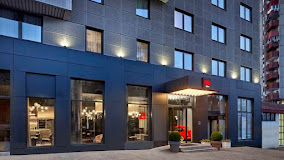
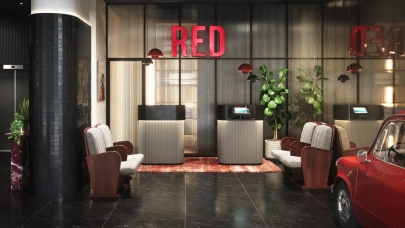
Croatia’s tourism industry sees strong recovery
16th April 2023.
Aleksandar Opsenica
Editorial in Chief
AG Real Estate
REBEC
2022 saw an almost complete recovery of Croatia’s tourism industry with only 2% fewer overnight stays than in 2019. Hotels were almost at full capacity (98% open). In the summer season, hotels achieved 5% higher revenues than in 2019, primarily through an increase in occupancy of 25% (to 79%) compared to the 2021 season, which means a 9% gap compared to the occupancy of 2019. During the first nine months of 2022, the income generated from foreign tourists was approx. at the level of €11.6 billion. An estimation for the whole year is that the total revenue from tourism in 2022 will reach €13 billion.
In 2022, for the first time, the number of beds in hotel accommodations has increased compared to the number of beds in private accommodations. This is a positive result of the overall national strategy that includes a plan for further tourism development. Namely, the prime focus is on upgrading existing hotel properties and developing new upper-scale and luxury greenfield investments.
With this positive trend, annual growth in total hotel accommodation units is expected to be on a level between 1.5 – 2.0% for the period of the next 2 to 3 years. Approximately 50% of the total new supply relates to the premium segment.
Private accommodation units with a share of almost 51% (611,525 beds) as compared to hotel accommodation with a share of 15% (179,545 beds) still prevail in the total supply of accommodation units in Croatia. It is expected that the total share of private accommodation units will record a slight decrease as compared to the previous period.
Based on the current hotel structure, 3-star and 4-star hotels still dominate, but with a trend of new investments and reconstruction of older hotel properties, it is expected that this structure will be changed in the following 5 years.
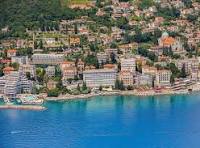
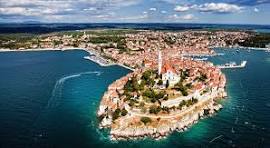
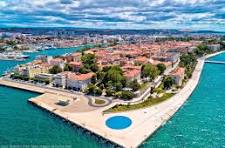
BIG CEE acquires Capital Plaza in Podgorica
8th April 2023.
Aleksandar Opsenica
Editorial in Chief
AG Real Estate
REBEC
Capital Plaza, a mixed-use facility, represents a specific entity when it comes to real estate on the Montenegrin market. It includes over 55,000 m2 of office space located in two towers, luxury apartments that can be rented for residential and business needs, a 122-room hotel, and a retail zone on two levels, all in the heart of the Podgorica business zone.
The transaction represents one of the largest investments in the Podgorica market. As part of this transaction, the CBRE SEE investment team, as a specialized associate for this type of transaction, initiated the entire process - from the purchase idea to the complete due diligence process. Regarding the further development of the real estate market in SEE region, it is particularly encouraging that this transaction took place just one year after the BIG CEE company added the Delta City shopping centre in Podgorica to its portfolio, thereby expanding its business to the Montenegrin market.
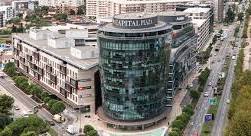
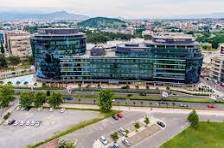
Delta Planet Mall in Varna invests in rooftop solar installation
29th March 2023.
Aleksandar Opsenica
Editorial in Chief
AG Real Estate
REBEC
In and of the March 2023, the Delta Planet Mall retail centre, located in Varna, Bulgaria, inaugurated an innovative photovoltaic solar installation. The investment of nearly €500,000 (BGN 1 million) covers the construction of 1,029 solar panels with a total capacity of 556 kW. On average, the system will provide between 7 and 9% of the building's electrical consumption per year. The shopping centre has a total built-up area of 110,000 m2, including 40,000 m2 of leasable area which is rented out at 94 % Delta Planet Mall was launched in 2019, following a €120 million investment by Serbia's Delta Real Estate and its Bulgarian partner AP investment.
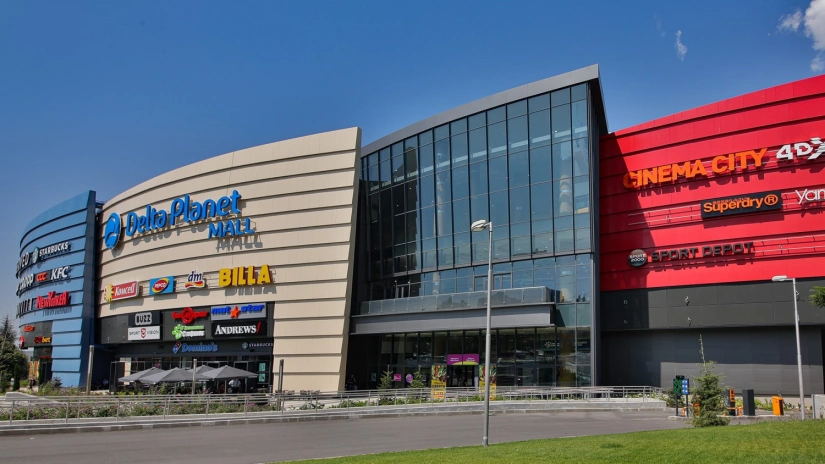
MIPIM 2023 final report
14th March 2023.
Aleksandar Opsenica
Editorial in Chief
AG Real Estate
REBEC
Mipim, the world's largest real estate conference, on truck for 15% Hike in Attendees gets under way in Cannes this on Tuesday expecting 23,000 delegates, and there has rarely been more at stake for countries talking to the international investment community. Seventy-six of the world's top 100 investment managers, advising on €4 trillion of assets, will also be in town.
Senior politicians and city leaders are regular attendees and there wil be two top-ranking ministers from France, Christophe Béchu, who is minister for ecological transition and cohesion of the territories, and Olivier Klein, minister delegate for cities and housing.
Among the eye-catching speakers is Amanda Staveley, the British businesswoman who had a key role in the Saudi Arabian buyout of Newcastle United recently. She will be talking about the role of sport investment in real estate development. Staveley has strong Middle Eastern connections and was involved with the purchase of Manchester City and a large investment in Barclays Bank.
The keynote speaker opening the event will be Jeremy Rifkin, an American economic and social theorist and author of 20 bestselling books.
Rifken is said to address the importance of innovation moving the built environment towards a more sustainable model. Having advised companies on renewable energy, electricity transmission, advanced manufacturing and economic modelling, Rifkin plans to address the main theme of MIPIM 2023, "Better Places — Greater Impact — Stronger Business". Professor Rifkin is best known for his influential work on the third industrial revolution, for which he is an adviser to the EU.

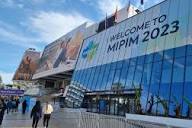
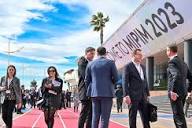
Sonae Sierra to manage Prishtina Mall
28th February 2023.
Aleksandar Opsenica
Editorial in Chief
AG Real Estate
REBEC
Sonae Sierra will be responsible for managing Prishtina Mall, the largest shopping centre in Southeastern Europe, which is scheduled to open today. With a GLA of 115,000 m2, Prishtina Mall is positioned as a regional centre intended to serve the surrounding area of the Balkans.
Sonae Sierra began collaborating with Prishtina Mall through consulting services in the areas of leasing and operations in March 2022, and shortly after, took over complete management of the project. Together with the local team, Sonae Sierra completed 100 leasing contracts in just eight months, allowing Prishtina Mall to open with an occupancy rate of 81%.
Prishtina Mall will offer a mix of internationally renowned brands, exclusive concepts, a cinema, playground, food hall and more than 3,500 parking spaces, the shopping centre has a gross leasable area (GLA) of 115,000 m2. Located 10 km from the city centre, Prishtina Mall is positioned as a regional centre, which will serve the entire surrounding area of the Balkans.
Alvaro Costa, Director responsible for Prishtina Mall added: “The added value of this project stands out in an international context, with an offer in line with reference centres in Europe, positioning Prishtina Mall as one of the main shopping and entertainment destinations in the region. We have also ensured the implementation of a team capable of delivering solid results, with the best practices and experience we have within Sonae Sierra, which are crucial to guarantee a good structure and local management.”
Sonae Sierra’s intervention in the project also extended to the Reify. team, which, as specialists in the creation and renovation of urban assets and spaces, was responsible for the entire signage project for the centre.
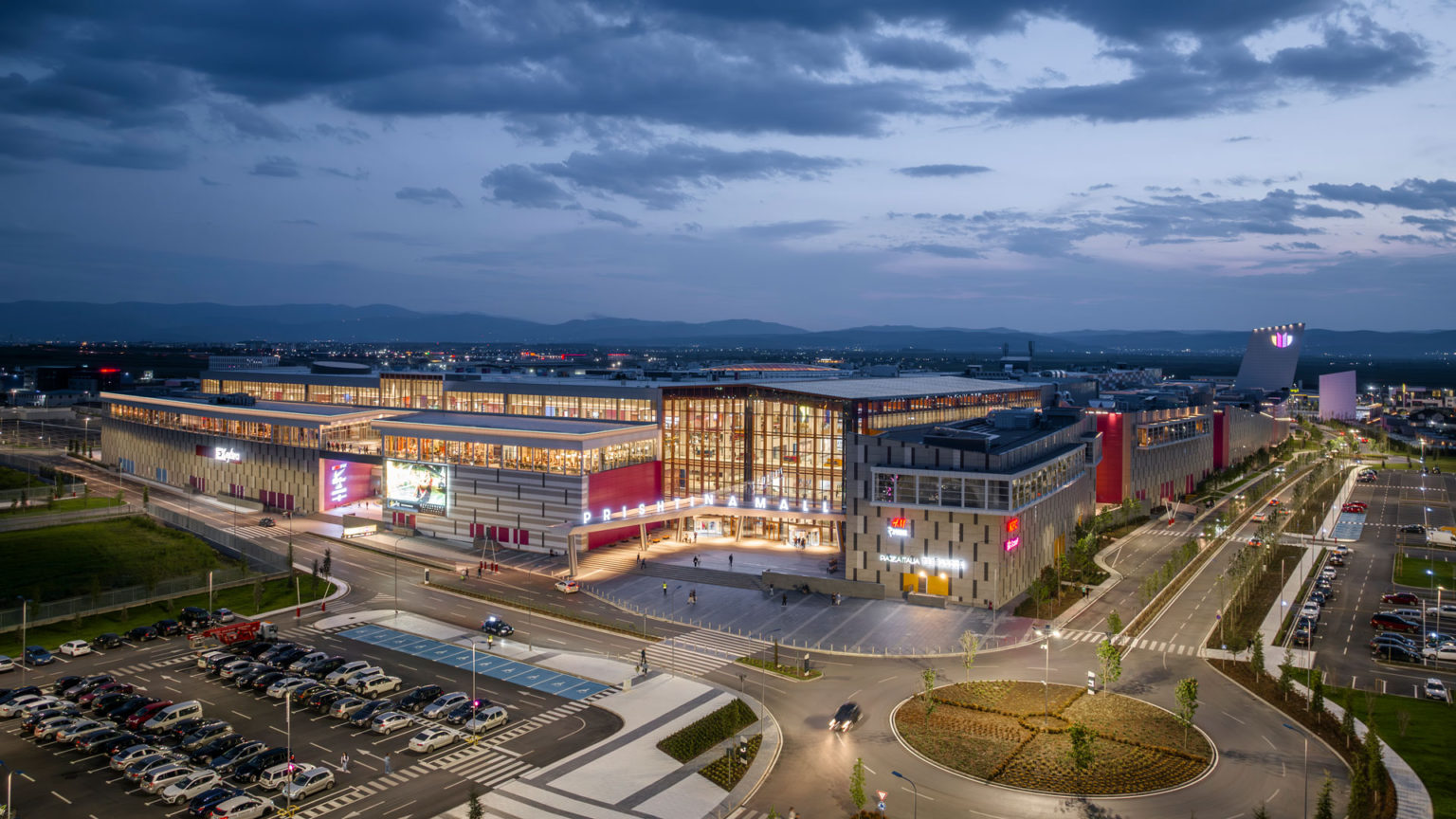
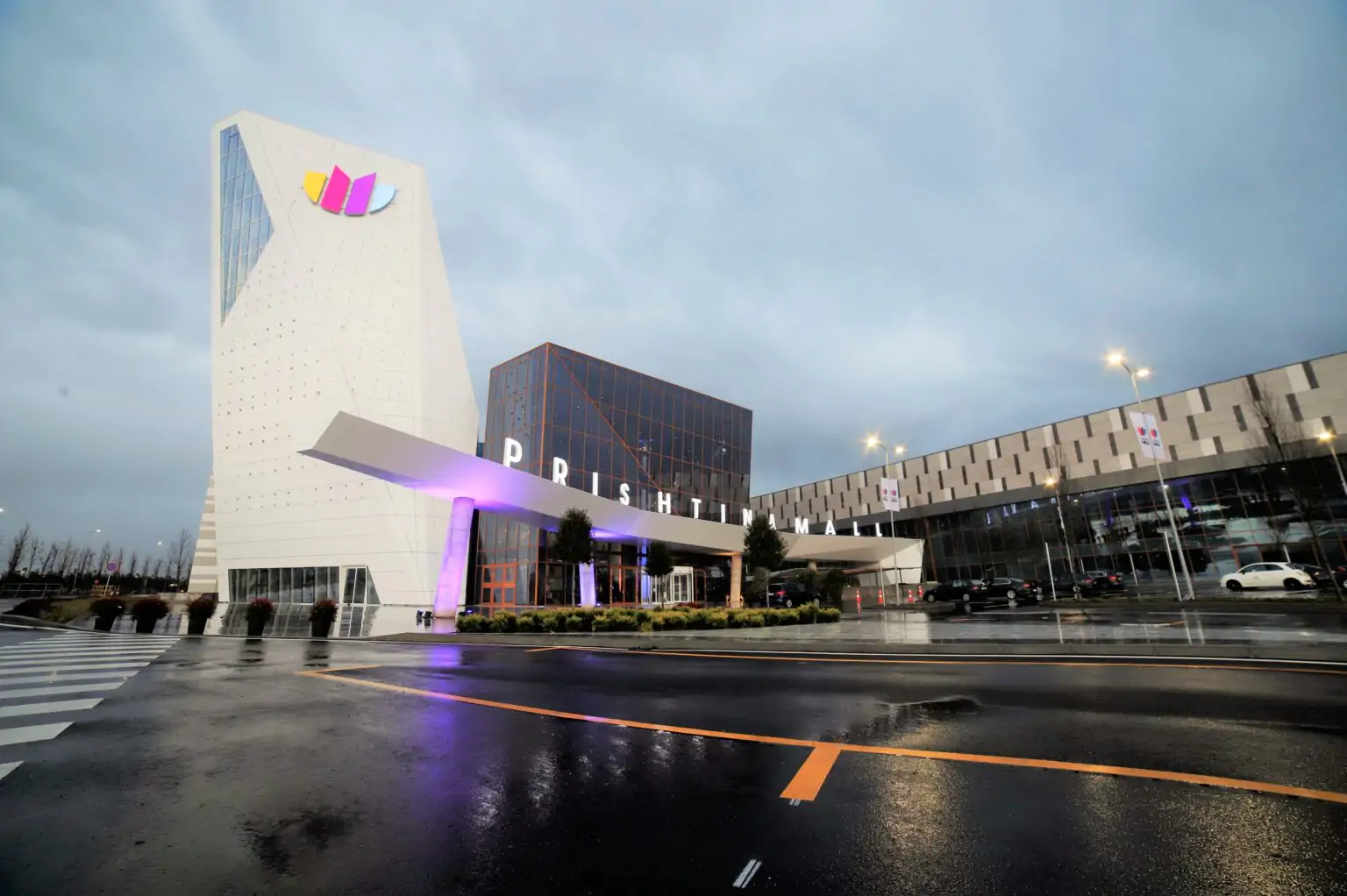

Marriott Hotels debuts in Tirana
15th February 2023.
Aleksandar Opsenica
Editorial in Chief
AG Real Estate
REBEC
Marriott Hotels, the signature flag of Marriott Bonvoy’s portfolio of 30 hotel brands, has opened Tirana Marriott Hotel, the first Marriott Hotel in Albania. The hotel is located next to the multi-purpose complex of the National Arena and within walking distance to governmental offices, international institutions as well as key historical and cultural sites.
Featuring 155 spacious guestrooms - including 24 suites – the Tirana Marriott Hotel will cater to both business and leisure guests. The modern 24-storey building offers panoramic views from all rooms.
Tirana Marriott Hotel also welcomes the first M Club Albania. Designed to emulate a residential-style living room, the 24-hour lounge is the perfect space to relax, socialize or meet for business. The M Club is open to Platinum, Titanium, and Ambassador Elite Marriott Bonvoy members and guests staying on executive floors, offering complimentary breakfast, all-day refreshments, and evening cocktails.
The multi-functional Events Hub offers 1,900 sqm of meeting space equipped with the latest technology, including nine meeting venues and a Ballroom capacity for up to 400 people seated.

Belgrade’s residential market sees record activity
5th February 2023.
Aleksandar Opsenica
Editorial in Chief
AG Real Estate
REBEC
The total transaction volume for Q4 2022 in Belgrade was €826.4 million, which represents an increase of around 53% compared to the overall amount of €541.2 million which was registered in the same quarter for the previous year. This is also a record-breaking quarter for the total amount spent on apartments in one quarter.
Key conclusions:
• It seems from the statistical parameters that the balance was shifted in favour of investment buyers for several reasons. 75% of all transactions were made in cash while 25% were credit buyers. In most quarters around 70% are cash transactions. There were more transactions in new construction compared to old buildings, which is generally not the case, and investment buyers are for the most part attracted to new construction. The fourth quarter is a period when an increase in transactions from diaspora buyers is registered when they are returning home for the holidays.
• A record transaction volume was recorded for garage spaces: €60 million in Belgrade and Novi Sad. Garages have become an investment product for several reasons: the total ticket price for an apartment in Belgrade is becoming too high and there is plenty of investors who have 50-100K to invest in real estate and garages do not require any re-investment into upkeep.
• It is clear that the increase in volume is in some part caused by higher rental rates, as a result of the influx of Russian and Ukrainian residents. It is not clear if some of these investors think that this is a permanent state of affairs and that they will recoup their investment in 10-12 years or if they understand that this situation is temporary and the return on investment will be higher only for some time, while this situation lasts. Either way, it is evident that they feel confident that they will always be able to resell their apartments for the same or higher price, and that they will always be able to find a tenant, so their confidence in real estate in Belgrade is unshaken and the new figures confirm that.
• It will be interesting to see if the developers will adjust to these trends and build additional levels of garage considering that with these garage prices, they can make a profit on -2 and -3 levels, which was not the case before. More parking spaces will allow them to create a higher number of smaller apartments since zoning requires a certain number of parking spaces per apartment.
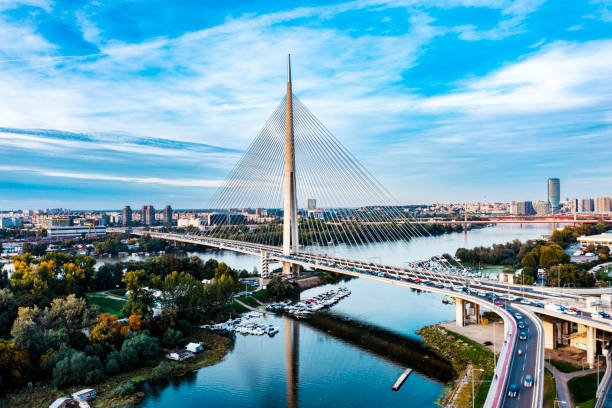
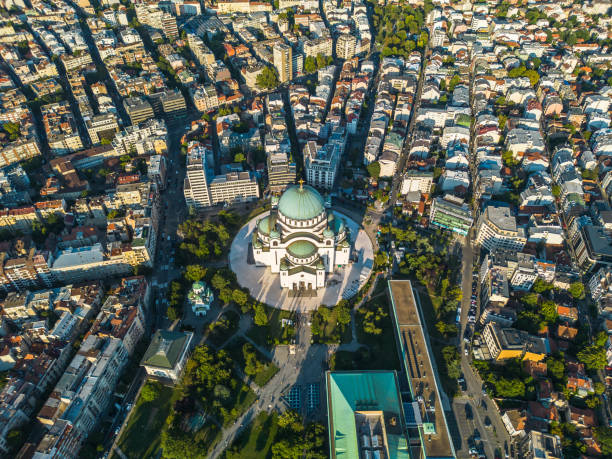
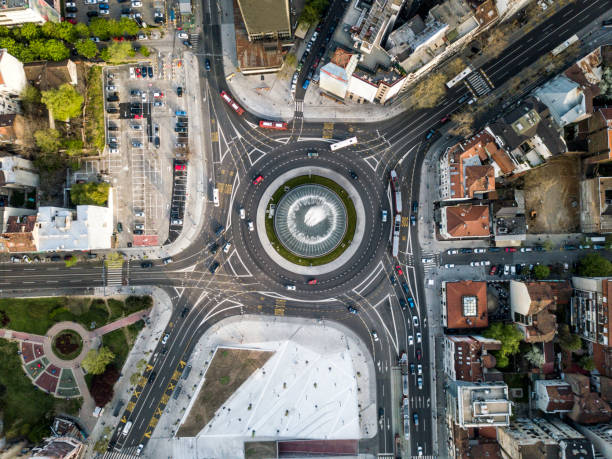
Accor signs Swissôtel Kopaonik in Serbia
29th January 2023.
Aleksandar Opsenica
Editorial in Chief
AG Real Estate
REBEC
Accor is expanding its portfolio in South-East Europe with the signing of Swissôtel Kopaonik in Serbia. In partnership with KOP2020 DOO, the premium hotel brand will welcome its first guests just in time for the 2024-2025 winter season.
Swissôtel Kopaonik will be located in the country’s largest and well-known ski resort, Kopaonik, stretching up to the Pancic peak at 2017 metres, often called “the Roof of Serbia”. The newly built property will offer 175 modern and comfortable guestrooms, a selection of restaurants, a cigar bar, a spa & wellness area, business space and a ski room, providing guests with a truly magnificent experience. Conveniently located in the very centre of Kopaonik, next to the ski centre and within walking distance to the ski lifts, the new Swissôtel will be a welcome addition to the spectacular mountain landscape.
Kopaonik offers tourists a range of winter and summer activities such as skiing, hiking and climbing, mountain biking, paragliding, thermal wellness SPA, rafting on the Ibar River, as well as activities for MICE travellers. With its subalpine climate, it is often called “the Mountain of the Sun”, with 200 sunny days per year and “the Silver mountain”, with 159 days of snow per winter. Besides leisure, Kopaonik is also a MICE destination where every March, the resort hosts the Kopaonik Business Forum, a high-profile event under the patronage of the Prime Minister of the Republic of Serbia, which attracts a growing number of participants from around the region.
The resort is well-connected with the main transport routes in Serbia, being linked with the Ibar highway. The property is located just two hours from the International Airport Niš and four hours from the Belgrade Nikola Tesla Airport.
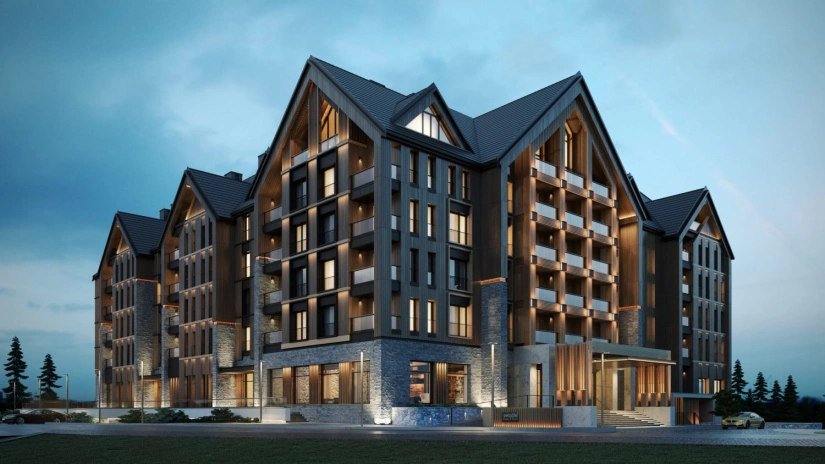
IHG Hotels & Resorts signs InterContinental Tirana
7th January 2023.
Aleksandar Opsenica
Editorial in Chief
AG Real Estate
REBEC
IHG Hotels & Resorts announced the signing of a franchise agreement with InterContinental Tirana, a brand debut for InterContinental Hotels & Resorts in Albania.
Due to open in 2025, IHG recently signed a Franchise Agreement with Mr. Ram Geci, Owner and President of Geci Group, one of Albania’s leading infrastructure companies, which also specialises in hospitality and tourism. The company has around 20 years experience in hospitality, having been a shareholder since 2004 and the sole owner of Tirana International Hotel, Tirana, Albania, since 2011.
The new-build InterContinental Tirana hotel will have around 300 rooms and suites, a large conference centre with a ballroom and a capacity of up to 1,000 people for MICE (Meetings, Incentives, Conferences & Exhibitions) events and weddings. There will also be a luxury spa, and a rooftop restaurant and bar with panoramic views of the city. The hotel will be located within Tirana’s main Skanderbeg Square, close to key attractions such as the National Historical Museum, Castle of Tirana, Opera House, Art Gallery and the main institutions like the Albanian Parliament, Ministries, National Bank of Albania and Tirana Municipality. The property is just 15 minutes drive from Tirana International Airport.
In 2021, InterContinental Hotels & Resorts marked its 75th Diamond anniversary, and currently has 31 open hotels across Europe, and 214 open and 79 in the pipeline across the world. Recent signings in Europe include InterContinental Resort Crete, InterContinental Resort Amma, Canj – Montenegro and InterContinental Tashkent, Uzbekistan.
Facilities at InterContinental Tirana will include relaxing wellness and leisure area including an indoor pool, steam room, sauna, treatment rooms and a gym. There will be several restaurants, bars and cafés, plus a casino, kids club, library and extensive underground parking.
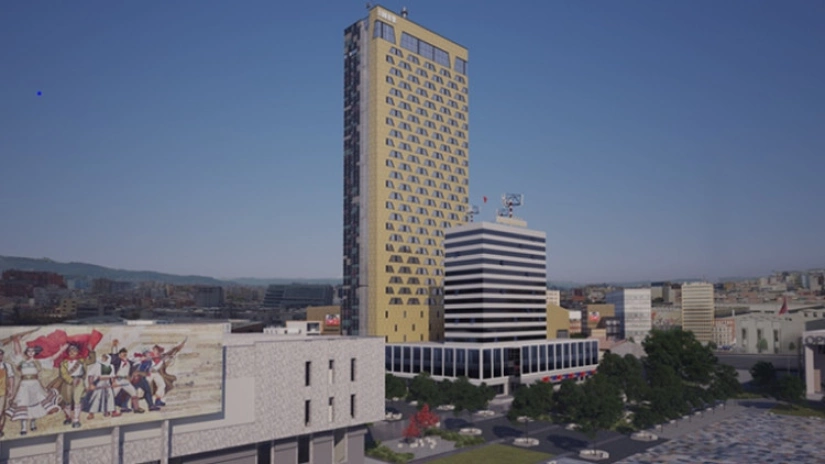
CTP secures more leases in Serbia thanks to nearshoring trend
29th December 2022.
Aleksandar Opsenica
Editorial in Chief
AG Real Estate
REBEC
Serbia’s emergence as a manufacturing base with a skilled cost-effective labour force in close proximity to neighbouring EU markets is driving a surge in leasings and built-to-suit developments across CTP’s four industrial and logistics parks in the country.
In the fourth quarter of 2022, German multinational and engineering company Bosch took delivery of a 20,000 sqm built-to-suit facility in CTPark Belgrade West to produce motors for electronic window lifters and Milšped, the leading 3PL group, leased 16,000 m2 at the same location. CTP also handed over a 26,500 m2 BTS building to Japanese electromotor giant Nidec at CTPark Novi Sad in Serbia’s second-largest city. Total developments of 60,000 m2 are due to be fulfilled for Nidec and its sister company Nidec-Elesys at CTPark Novi Sad.
At CTPark Kragujevac in central Serbia, Chinese automotive supplier YanFeng has signed a leasing agreement for a third production unit of 30,000 m2, where construction started in December 2022. Meanwhile, in CTPark Belgrade North, around 25,000 m2 of the planned total development of 100,000 m2 at the park was completed last year and Slovenian 3PL InterEuropa, the leading supplier of complete logistics services in Serbia and southeastern Europe, took a lease on 14,400 m2 of space. The facility will be used as a regional distribution centre for EU markets by Gorenje – Hisense, a manufacturer of household appliances.
CTP is also progressing with the development of CTPark Belgrade City, located in the largest municipality in the capital, less than 5 km to the city centre and only 5 km from Belgrade Airport. The location is ideal for small and medium-sized enterprises in the FMCG, Pharmaceutical, E-commerce and last-mile logistics sectors owing to its inner-city location, along with excellent connections to the highway and surrounding urban traffic arteries. The first phase of the programme will be completed by the end of this year, with units starting from 2,500 m2 including showroom, office, and warehouse space.
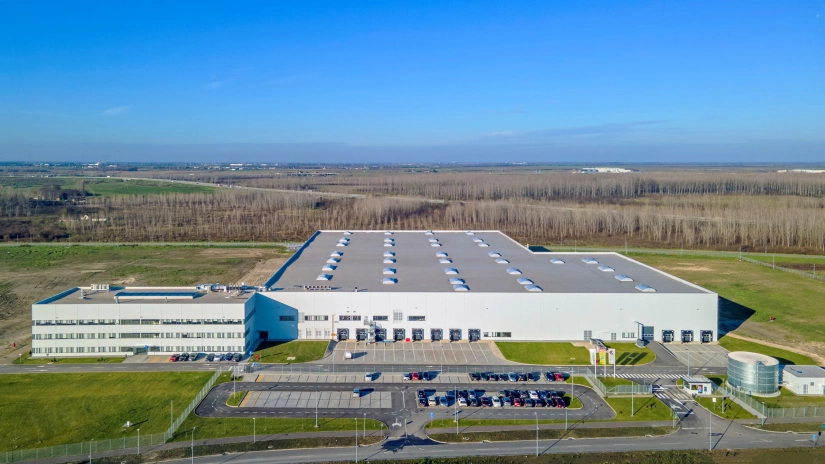
Corwin's Ljubljana office project secures final permit
24th December 2022.
Aleksandar Opsenica
Editorial in Chief
AG Real Estate
REBEC
Slovak developer Corwin has gained the final building permit for its Ljubljana office project Vilharia. Slovenia's large office complex, which will be built on the brownfield area, is now set to start construction at the beginning of 2023. It will bring 36,000 m2 of prime office space into the centre of the Slovenian capital.
Vilharia will revitalize the currently unused brownfield area along Vilharjeva cesta, located directly next to the Ljubljana bus and train station and city centre. The design from the Danish architectural studio Schmidt Hammer Lassen is based on the Scandinavian tradition of lightness and comfort. The building's modular broad concept will allow larger companies to all work together on one floor and therefore be more connected – with each other and with the city life outside.
The complex will be built according to the latest ESG principles. Heat pumps will utilize regenerative groundwater energy to help bring down the energy demand. Innovative technologies like intelligent air conditioning that uses CO2 sensors to monitor the quality of air will continually protect the health of occupants and provide a pleasant indoor environment. The building will feature noise and heat insulation as well as natural materials.
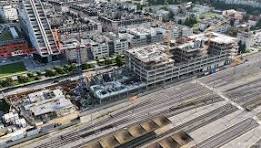
CBRE SEE secures 10,000 m2 office lease in Belgrade
15th December 2022.
Aleksandar Opsenica
Editorial in Chief
AG Real Estate
REBEC
The entire Revolucija office building, developed by Granit Invest, with more than 10,000 square meters of office, retail and garage space, was leased to one company as a tenant, which was advised by CBRE South Eastern Europe. In addition to numerous office space lease transactions completed this year, the transaction of the Revolucija office building additionally contributed to increasing the company's market share in this segment of the real estate market.
The Revolucija office building is located in an attractive location on the most famous Belgrade boulevard. It is a Class A office building, which follows the latest trends in construction and interior design with the implementation of environmental standards and COVID-19 prevention elements, such as an inflow of fresh air in conference halls, contactless door opening and similar features. The developer of the project is Granit Invest, a company with an extensive track record in the construction industry, while the concept was authored by the renowned Belgrade studio Zabriskie.

Final report from MAPIC 2022
1st December 2022.
Aleksandar Opsenica
Editorial in Chief
AG Real Estate
REBEC
This year’s MAPIC hosted over 5,000 participants, including exhibitors and participants from 75 countries. Whilst European exhibitors maintained a strong presence, the growing importance of the Middle East and Asia was reflected in the growing number of exhibitors and participants from these geographies, including those from Saudi Arabia, Kuwait and Uzbekistan.
With 2022 as the first year of MAPIC’s fully-fledged return post-pandemic, the atmosphere has been optimistic and energetic, with people looking forward to the experience of in-person retail and interactions. Whilst challenges such as rising energy prices and interest rates remain, exhibitors, retailers and participants at MAPIC 2022 displayed development projects and innovations that painted an optimistic picture for the future of retail real estate.
Key lessons from the F&B (food and beverage) leaders, such as Vincent Mourre of Whitespace Partners, pointed to the increased demand from investors and consumers for the resilient and agile QSR (Quick Service Restaurants) segment—such as fast casual, coffee and bakery offerings. In a market landscape where access to financing is increasingly strained, Whitespace has noted companies’ interest in seeking alternative sources of financing or considering IPOs.
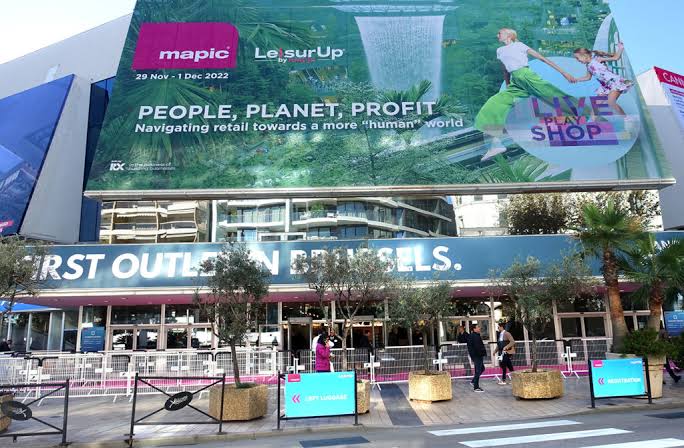
GTC hands over new office building in Belgrade
18th November 2022.
Aleksandar Opsenica
Editorial in Chief
AG Real Estate
REBEC
GTC Group, present in Serbia for the past 20 years, has opened its newest office building in Belgrade. GTC X brings to the market 17,700 m2 of first-class office space in Block 41, located along Milutin Milankovic Boulevard in New Belgrade.
To mark this special occasion, Mr Zoltán Fekete, President of the GTC Management Board came to Serbia and shared his excitement about the newest projects and further plans in Serbia. "GTC X is not just an exceptional building but also a major milestone in the history of our company, and – loud and clear – a demonstration of our commitment to the Serbian market. GTC X is not only a landmark that defines an entire district in the Serbian capital but also a true representation of our mission to create outstanding value for our clients on the principles of sustainable development," he said.
Like all previous GTC Group projects, GTC X was designed and built in accordance with the green standards of the LEED Gold certificate, which guarantees maximum energy efficiency and state-of-the-art technology.
GTC X's list of tenants includes Serbian IT companies HTEC Group and Tenderly, international audit, tax and advisory firm Mazars, world-known digital expert Webhelp and a Take a Break restaurant.
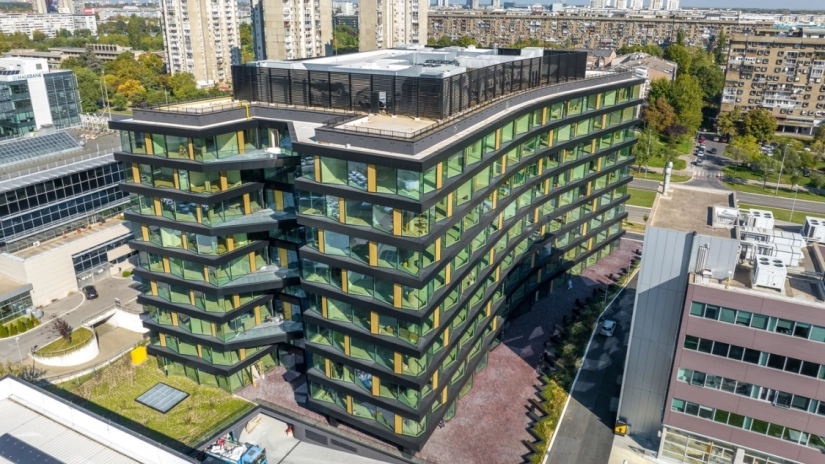
Czech UDI Group to build 2300 flats in Belgrade
1st November 2022.
Aleksandar Opsenica
Editorial in Chief
AG Real Estate
REBEC
International developer UDI Group is preparing its largest-ever project in the Serbian capital, Belgrade. It will invest more than CZK 9.5 billion (almost €392 million). On the site of a former paint factory, 2,320 apartments and about 40,000 sqm of offices will be built. In an international architectural competition, the investor selected a sustainable design by leading British architect Ian Bogle.
The original project, which envisaged mainly offices, was added to the city-wide zoning change initiated by Belgrade due to the transformation of the original railway body into a linear park adjacent to our land, in agreement with the city. Now our project is multifunctional with predominantly housing, which is in greater demand in the Serbian capital. Approximately 80 percent of the project will thus consist of apartments, which will be built on a huge brownfield site with a total of 2,320 units. About 40,000 sq m will be used for offices, and we are also considering a hotel.
Not only UDI Group's Serbian team is working directly with the architect, but also the local studio ZAP, which is helping to set the vision of the leading international architectural team of Ian Bogel into local norms and realities. Currently, the Serbian UDI Group team is working with the architects on the design documentation for the planning permission for the part of the building that is directly connected to the city's linear park.
SEE is still a land of opportunities for investors … Highlight from Property Forum in Vienna
15th October 2022.
Aleksandar Opsenica
Editorial in Chief
AG Real Estate
REBEC
Panelists were unanimous at the discussion on investments in SEE countries at CEE Property Forum 2022 in Vienna. They agreed that the lack of investment products is the biggest hurdle in the CRE market in that region while developers and banks should rethink their long-term strategies as economic pressure mounts every day.
Investors have not been keen on spending much money on commercial properties in SEE countries this year. This is due to the overall economic crisis which is around the corner now. Next year seems to be more difficult and institutional and private investors will be even more cautious because of the mounting uncertainties, Chair of the panel Maja Ostanek, Director at ALFI Real Estate Fund stated at the beginning of the discussion.
She emphasized that investors usually make no big difference between the countries of the SEE region but there are some points to consider while making assessments. The size of the markets is different, some market segments are matured and country risks diverge.Róbert Mitterpach, CFO at Corwin said that though Slovenia is widely considered a safe harbour for any property investment the country struggles to create more chances as the office supply is very limited. „The majority of office buildings are owned by tenants and on top of that, there are no certified buildings at the moment. Both make it very difficult to present new properties to the investors.”
Stevan Lojovic, Group Development Director at Bluehouse Capital agreed and urged banks to share risks with investors and developers who face increasing costs as they try to keep yields between 6,5 and 8 per cent. But he went on to say that the next six months will be a period of silence as banks will re estimate risks.
Investors see Croatia as a land of new opportunities as it will benefit from being a member of the eurozone and the Schengen system from January next year. Country risk will decrease, and loans will be available much easier than now, stressed Mirta Ceranac Poljak, Managing Director at M7 Real Estate. But she acknowledged that standards of the CRE market still have to be implemented fully, as it happened in many of the CEE countries. „Lease terms for instance are not standardized and this makes investors undecided”.
Currency risk practically does not exist and the tax rate is very competitive in Bulgaria, added Yavor Kostov, the Managing Partner at Cushman & Wakefield Forton. The office market is near complete maturity and start-ups are at the forefront to lease space for their businesses in „A” grade buildings. Despite the coming downturn, approximately 400,000 sqm of retail space is planned in retail parks across the country, he informed.

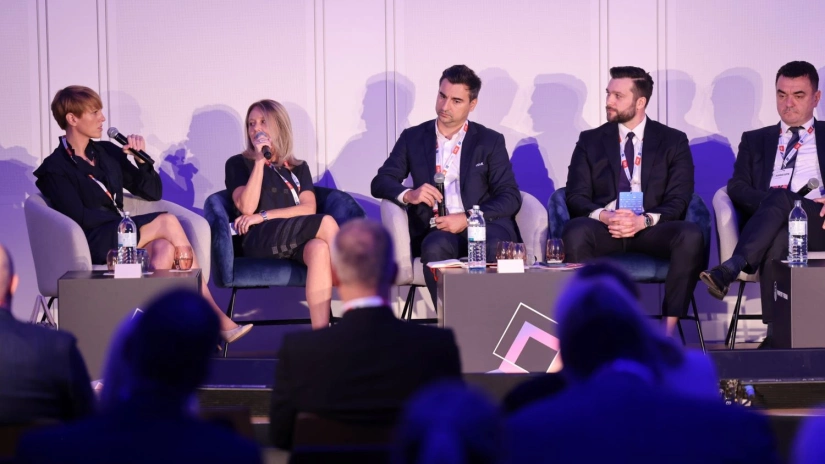
EXPO REAL 2022: real estate industry at a turning point
7th October 2022.
Aleksandar Opsenica
Editorial in Chief
AG Real Estate
REBEC
The attendance at EXPO REAL, held from October 4 to 6, 2022, in Munich, Germany, almost reached pre-coronavirus levels: the exhibition grew by almost 60 percent compared to the previous year.
“In a time of major upheaval, EXPO REAL reaffirms how valuable it is as a platform for exchange and information for the real estate industry,” explains Stefan Rummel, Managing Director of Messe München responsible for EXPO REAL. “Seven halls, 1,887 exhibitors and almost 40.000 attendees—the show has almost reached 2019 levels of participation.”
Yet again, all exhibition sectors have grown significantly: the residential and office real estate, hotel, logistics and retail asset classes; the international joint pavilions as well as those of the regions and cities, start-ups and technology providers. In addition, Ukraine was presented with a forum to evaluate options for reconstruction. Key topics at the show included rising prices and inflation, interest rate policy, ESG requirements, the creation of affordable housing, and the overall economic situation.
Close exchange between politics and industry
EXPO REAL 2022: the figures
Comparison with 2019, as 2021 was an exceptional year due to the pandemic. Almost 40,000 visitors from 73 countries (2019: 46,747 / 76) came to Munich to attend EXPO REAL. The total number of participants was divided into around 19,500 trade visitors (2019: 22,065) and 20,456 company representatives (2019: 24,682). After Germany, the top ten visitor countries were: Great Britain and Northern Ireland, the Netherlands, Austria, Poland, Switzerland, France, Czech Republic, Luxembourg, USA and Spain.
The 1,887 exhibitors came from 33 countries (2019: 2,189 / 44). After Germany, the top ten exhibitor countries were: Austria, the Netherlands, Switzerland, Poland, Great Britain and Northern Ireland, France, Portugal, the U.S. and Czech Republic with equal shares, Romania.
The next edition will take place from October 4 to 6, 2023.

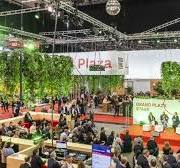
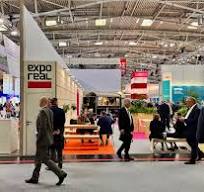
Belgrade’s resi market records double-digit price growth
3rd October 2022.
Aleksandar Opsenica
Editorial in Chief
AG Real Estate
REBEC
Prices are still showing double-digit increases compared to Q2 2021.
The total amount of apartments transacted in Q2 2022 is a little less than 5000 units, so it is unlikely that the purchases made by Russian and Ukrainian citizens had a big impact on the market as a whole or on prices. The number of transacted newly built apartments is slightly higher compared to some previous quarters, but that may not be the case going forward, as it will largely depend on the supply of new apartments in the mid-term.
Key findings
• The market is still growing, as the total transaction volume of €712 million recorded in Q2 2022 is significantly higher compared to Q2 2021’s €557 million.
• The total volume represents a significant increase compared to the first quarter of 2022 when the turnover was €562 million. A potential explanation is the war in Ukraine as these types of events tend to influence the sale of apartments in Belgrade in a positive direction. Real estate investment is still the safest investment option for many Serbians and the increased numbers amidst panic and fear for the mid-term are reflecting that.
• 71% of all transactions were paid by cash, which is a slightly higher share compared to the prior year, again indicating that individuals with excess cash were fleeing toward real estate. This trend also shows that the market is less subject to volatility as a result of increased interest rates which are already happening and are set for a further increase in the mid-term, since the share of credit buyers is significantly smaller compared to the cash buyers, as it has been for the past 5 years. The average loan amount is less than €50,000, which suggests that one portion of official credit buyers are buying apartments as an investment and only financing a small portion through credit.
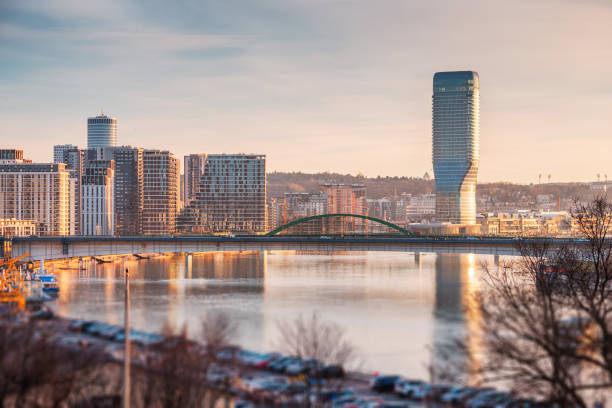
Coreside Savills brokers 5,000 m2 office lease in Belgrade
10th September 2022.
Aleksandar Opsenica
Editorial in Chief
AG Real Estate
REBEC
British company Hyperoptic has leased 5,000 square meters in the BIGZ business centre, in a transaction brokered by Coreside Savills. Hyperoptic is a British company that has been present in the Serbian market since 2011. They deliver advanced Internet solutions, with fibre optic technology and gigabit speed 21 times faster than the national average.
Reconstruction of BIGZ represents one of the largest projects of restoration of a building under the protection of the Institute for Protection of Cultural Monuments of the City of Belgarde. The renovation is planned to be completed by the end of the first quarter of 2023. BIGZ business centre is owned by Marera Properties, a real estate company engaged in the acquisition, development, leasing and management of commercial properties. The company portfolio consists of more than 200,000 sqm of office, retail, and industrial properties across the country, which makes it one of the leading investors in the Serbian market.
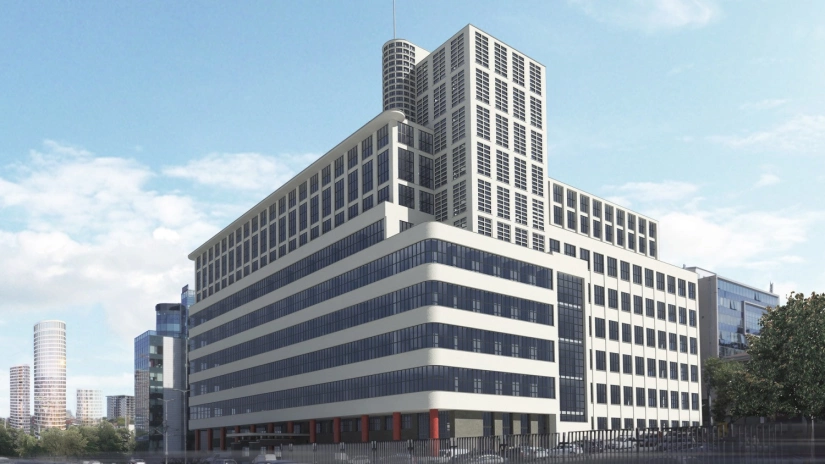
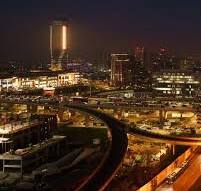
GTC to sell two Zagreb office buildings
26th August 2022.
Aleksandar Opsenica
Editorial in Chief
AG Real Estate
REBEC
GTC signed an SPA to sell its Matrix A and B office buildings in Zagreb to a strong local real estate group from Croatia. This transaction will mark a return on cost exceeding 22% and is about 7% above the book value. GTC’s ability to sell assets well above the book value demonstrates that the current discount to NAV on its share price is not justified.
Matrix A and B are part of the Matrix Office Park, a modern business centre located in Zagreb’s business district. Matrix Office Park provides a total of approximately 21,440 m2 of leasable space and 526 parking spots. These features already attracted a very well-known, international tenant mix from various industries. Matrix A was completed in 2019, followed by Matrix B just a year later. Both buildings are LEED Platinum certified. GTC has already started the development of the third building, Matrix C, which will enhance the Matrix Office Park in Q2 2023 and plans further development beyond this.
The Matrix A and B buildings are one of the highlights of the Group's portfolio, however, the sale at a premium will provide cash to fund further growth. Matrix Office Park was created with a sustainable strategy and pro-ecological mindset, as confirmed by the fact that it is the only LEED Platinum-certified business centre in Croatia.
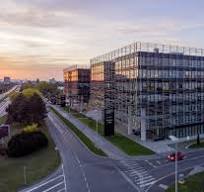
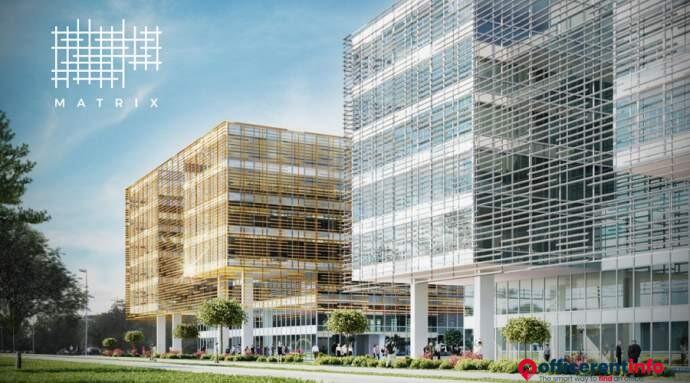
Forton MKA brokers 14,000 m2 industrial lease in Skopje
10th July 2022.
Aleksandar Opsenica
Editorial in Chief
AG Real Estate
REBEC
Kromberg & Schubert’s new plant is to start production at the beginning of Q3 2022 in Skopje, North Macedonia. The transaction was assisted by Forton MKA, an alliance partner of Cushman & Wakefield for North Macedonia.
This year’s first milestone is Kromberg & Schubert’s new plant in Greater Skopje after being present for more than a decade in North Macedonia. Forton MKA brokered the temporary lease by providing the most adequate premises to secure growth at a faster pace. The new plant will start production at the beginning of Q3 2022, in a 14,000 sqm Class A stand-alone industrial building located in the logistics park owned and operated by Deni International, the largest logistics company in the country.
The Macedonian industrial market accelerates in 2022 in spite of the standstill and uncertainty caused by the ongoing tensions in Europe. The private sector and the authorities work together to ease the processes for doing business of FDI countrywide, with a significant stake representing the manufacturing expansions in different lines of business.
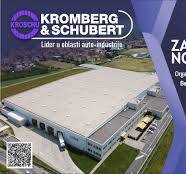
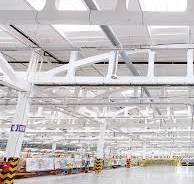
Corwin wants to build a carbon-neutral office portfolio
6th June 2022.
Aleksandar Opsenica
Editorial in Chief
AG Real Estate
REBEC
Slovak developer Corwin has announced that its office projects in Bratislava and Ljubljana will soon join the list of LEED Zero Carbon certified carbon neutral buildings of which there are only 8 in existence at the moment.
While lowering emissions has been gaining great importance in recent years, full carbon neutrality is only expected to arrive by 2050. Even though Slovakia and Slovenia do not currently possess any carbon-neutral buildings, they could gain four of them more than two decades ahead of EU goals. That is because Corwin plans to join the carbon-neutral age and create the first LEED Zero Carbon certified office portfolio in the world within the next few years.
Not every building could become carbon neutral. Blumental Offices, the company’s first office development, is a holder of a LEED Gold certificate. Einpark Offices holds a LEED Platinum certification, being the first office building in Slovakia and one of the less than 1% of buildings around the world to achieve this level. Vilharia, which is set to become the most sustainable office in Slovenia, was also pre-certified with this level. The same is expected of their brownfield revitalisation project Palma.
Obviously, even with highly sustainable buildings, daily operations do produce a certain amount of CO2. “The carbon footprint is calculated based on the amount of consumed electricity and fuels during one calendar year. The kWh of each energy meter contains a value in grams of CO2. We even quantify the footprint the users of a particular building have by travelling to and from work. The resulting measure of operational carbon dioxide and carbon dioxide produced by transport gives us the full CO2 footprint of the building. That is offset through carbon credits.
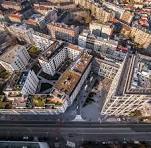
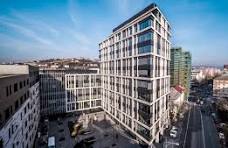
Radisson Hotel Group opens hotel in Pula
27th May 2022.
Aleksandar Opsenica
Editorial in Chief
AG Real Estate
REBEC
Radisson Hotel Group announced the debut of its luxury lifestyle Radisson Collection brand in Croatia, with the opening of Grand Hotel Brioni Pula, A Radisson Collection Hotel. This follows an extensive Ł30 million repositioning of the legendary Hotel Brioni, one of Croatia’s best-known hotels, by Radisson Hotel Group’s partner PPHE Hotel Group and its Croatian subsidiary Arena Hospitality Group.
The hotel occupies a cliff-side location on the Adriatic, overlooking the Brijuni islands, which were the inspiration for the hotel’s name. It offers 227 rooms, infinity swimming pools, multiple restaurants and bars and sumptuous health and wellness facilities.
Originally built in the 1970s, the hotel was one of the most prominent tourist meccas in former Yugoslavia. In its heydays, with direct flights from the United States to Pula in the 70s, it was often a getaway for many celebrities, including artists, film stars and politicians.
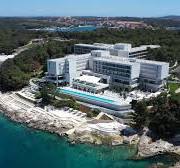
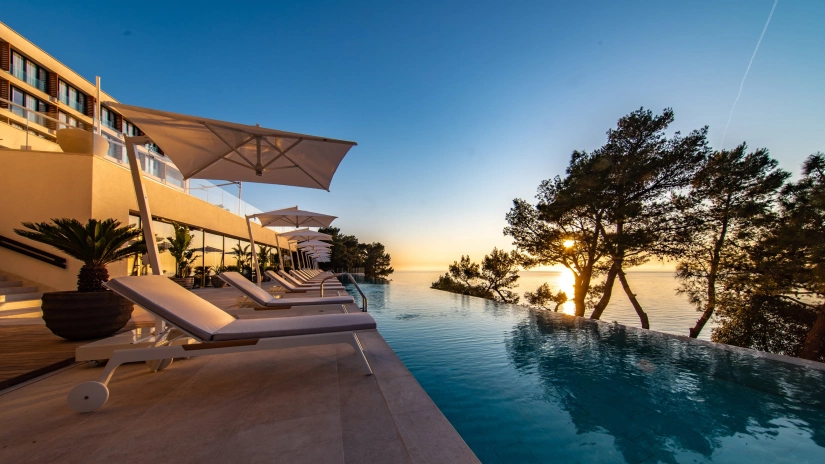
Kuehne + Nagel Global Services enter in Air Port City Belgrade
20th May 2022.
Aleksandar Opsenica
Editorial in Chief
AG Real Estate
REBEC
Kuehne+Nagel Global Services has leased 9,000 square meters at the Airport City Belgrade Business Park, in a transaction brokered by the consulting company Coreside Savills.
Kuehne+Nagel Global Services has been present in the Serbian market for the last 13 years. It is one of the leading global logistics companies, engaged in organizing maritime, aerial and land transportation, and contract logistics services, with a clear focus on providing advanced IT solutions for its clients.
“The new office space within the Airport City provides us with all necessary preconditions, as the most suitable ambience for our company to reach its full potential. Coreside Savills has exceeded our expectations, with the quality of service, swiftness, and expertise, and we are pleased that we are continuing our partnership in terms of project management,” states Bojan Jovic, Managing Director of Kuehne+Nagel’s Global Services in Serbia.
Airport City Belgrade is a multipurpose business park spreading across approximately 125,000 m2, offering companies a concept of a “city within a city”, i.e. a modern urban unit with cutting-edge technology, satisfying all the needs of its users.
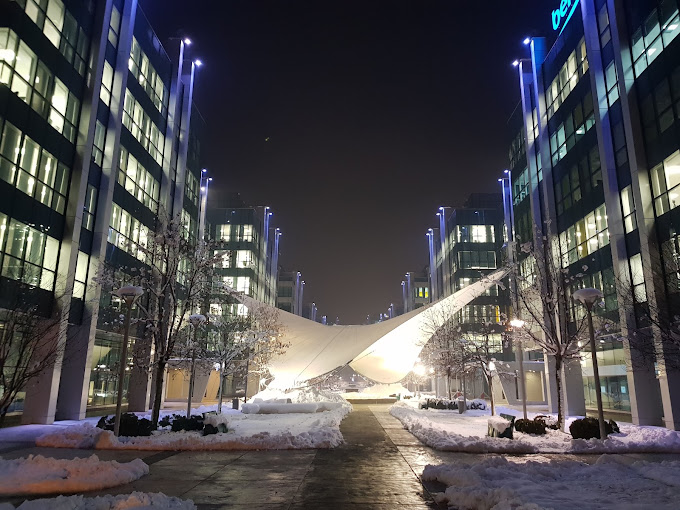
Emonica development
15th April 2022.
Aleksandar Opsenica
Editorial in Chief
AG Real Estate
REBEC
In Ljubljana, a huge mixed-use project will see the creation of a new railway station, a new bus station, a hotel, a shopping centre, offices and apartments as part of the Emonika project. The public infrastructure project will be complemented by a private development by Mendota Invest, owned by Hungary’s OTP Real Estate Investment Fund.
OTP Group is present in 11 countries, and in each country, they are looking to expand their business presence in areas other than banking. OTP has also received a lot of support from the Ministry of Infrastructure and the city government for the Emonika project. They are applying for the permits for the Emonika project, which could be obtained in 8-10 months.
The Emonika project is worth nearly €350 million. Reacting to the rising prices of raw materials for construction, he said that prices could start to ease from the second half of this year or next year. The project could be financed 20-30 percent by equity, with the remaining 70-80 percent being a syndicated loan, where banks other than OTP could also participate.
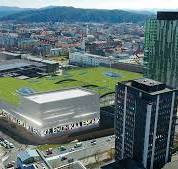
The company GTC is planning further expansion of the business complex
23rd March 2022.
Aleksandar Opsenica
Editorial in Chief
AG Real Estate
REBEC
GTC is set to further develop the Matrix Office Park in Zagreb by adding another building to the complex. The third building, Matrix C, which received a building permit earlier this year, will be the newest extension to the business centre. Just like the previous two, Building C is meant to provide innovative office space, while maintaining a high ecological standard for an international tenant mix. The shell & core of the building is scheduled for completion in Q2 2023 ready for the fitting out of tenant areas.
The first two buildings of the Matrix Office Park which is located on the edge of the business district of the Croatian capital were completed in 2019 and 2020 respectively, and currently provide approximately 21,280 sqm of commercial office, retail, storage and parking space, available for rent by both the local and international business community.
Following the success of the first two buildings in the Matrix Office Park, which are both at 95% leased, GTC has decided to further expand its presence on the Zagreb market by developing Building C. The new area will add approx. 10,500 m2 of gross leasable area with high-quality office space, retail shops, bicycle storage and other services and amenities. The building will additionally provide on-site, under and overground parking for 250 vehicles and electric vehicle charging lots.
Buildings A and B have already been awarded LEED Platinum certificates, expanding GTC’s portfolio of green projects. The new building is set to become another sustainable business hub for Croatian and international residents. Upon completion, Matrix C will be DGNB Gold certified.
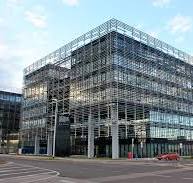
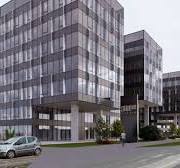
MIPIM 2022 Annoucement
9th March 2022.
Aleksandar Opsenica
Editorial in Chief
AG Real Estate
REBEC
15 -18 March 2022 in Cannes, France
22,000 m˛ exhibition space
3,800 Exhibiting Companies coming from 100 Countries
480 Keynotes & Speakers
24% Participants are investors
15% Participants are CEOs and C-levels professionals
MIPIM Trailer 2022 https://www.youtube.com/watch?v=O083uzlXp4s

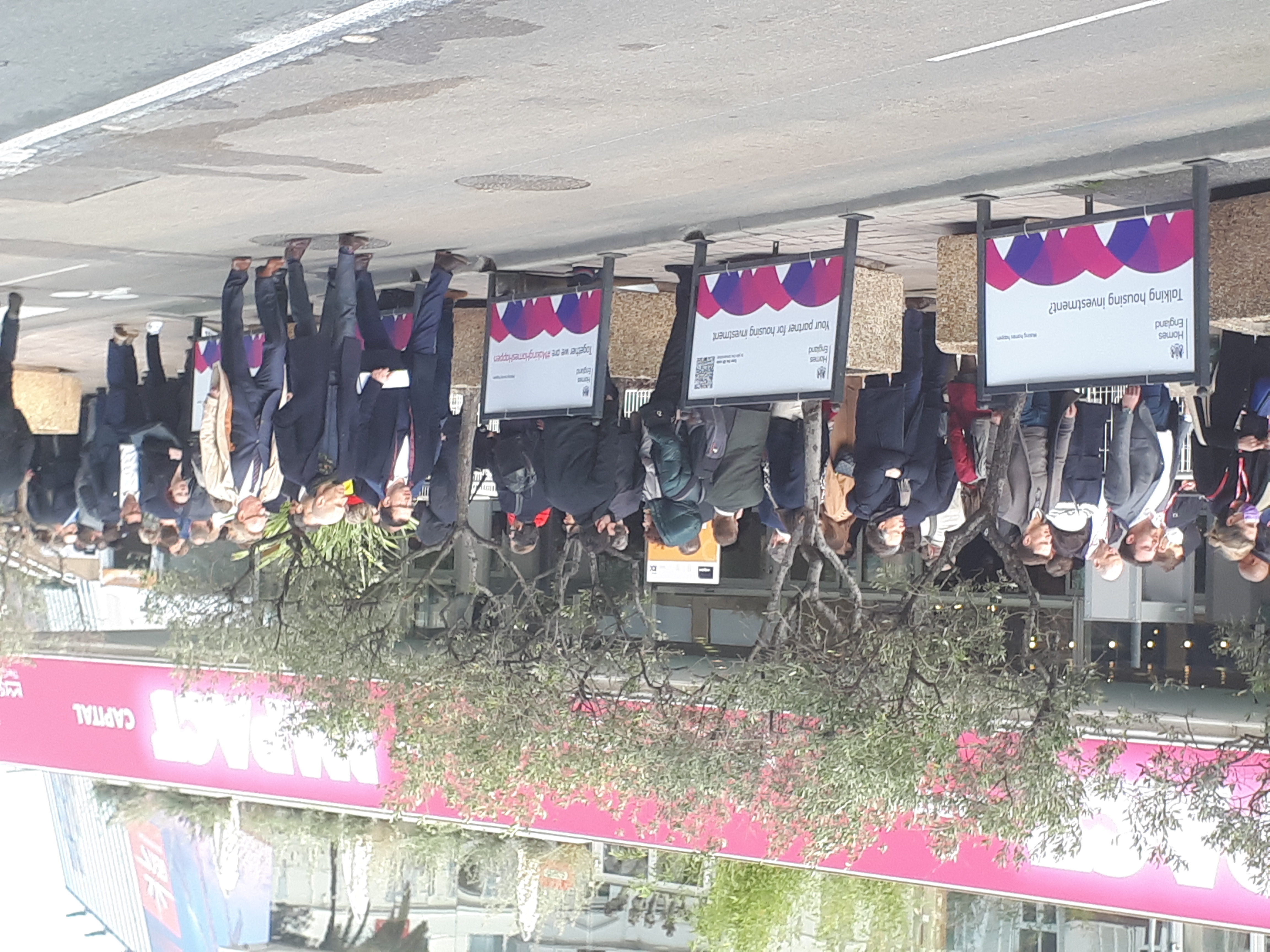
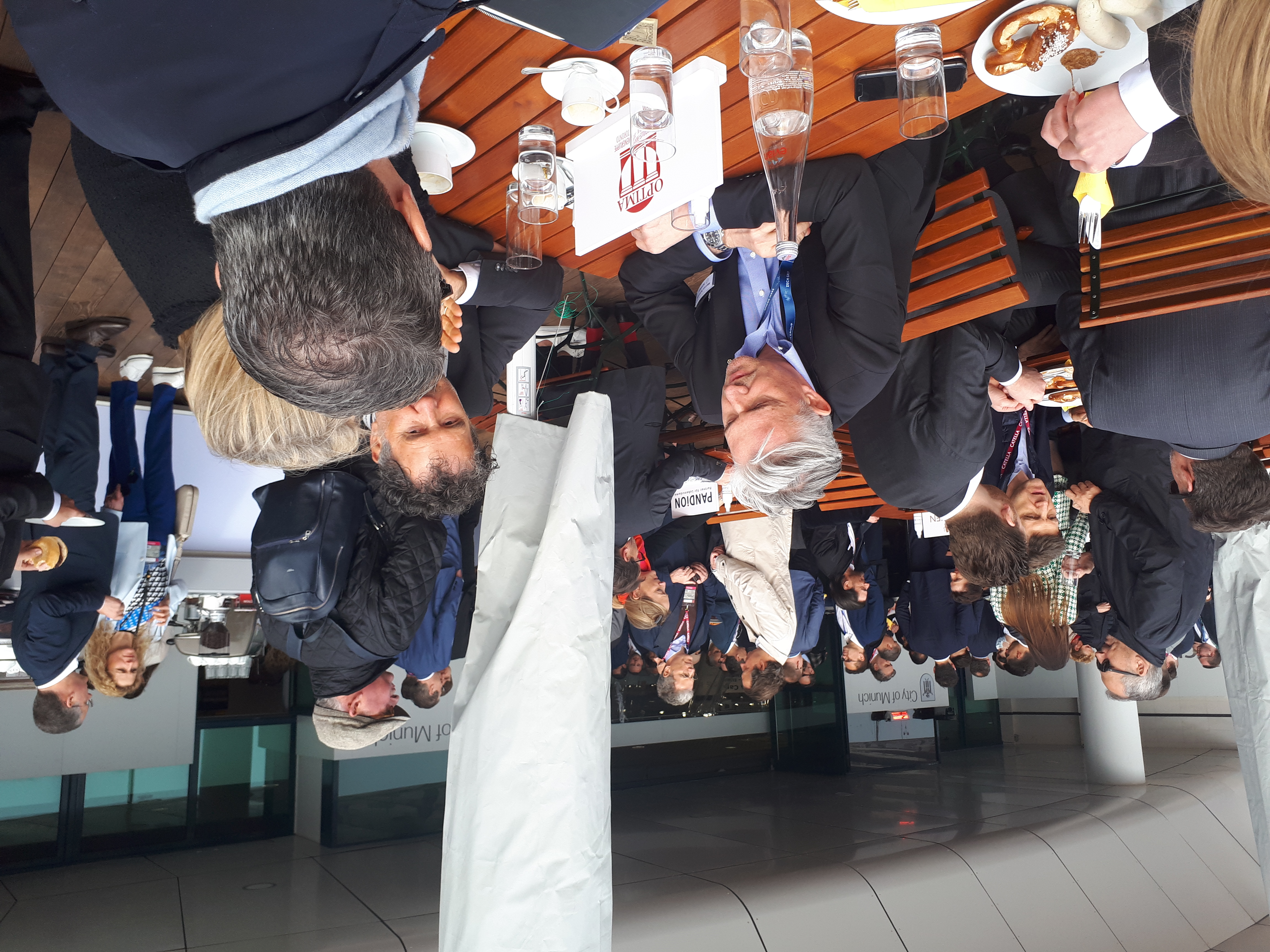
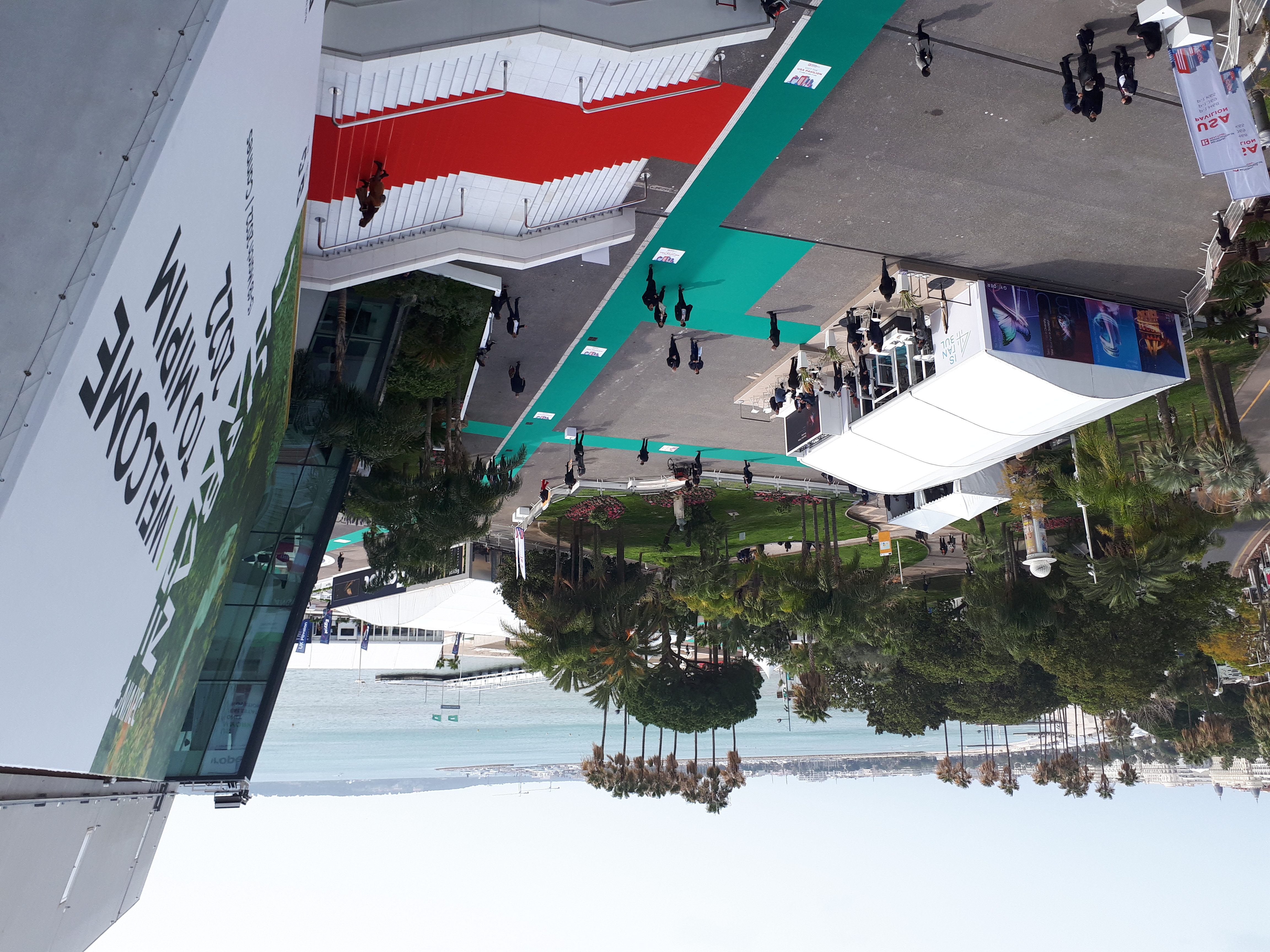
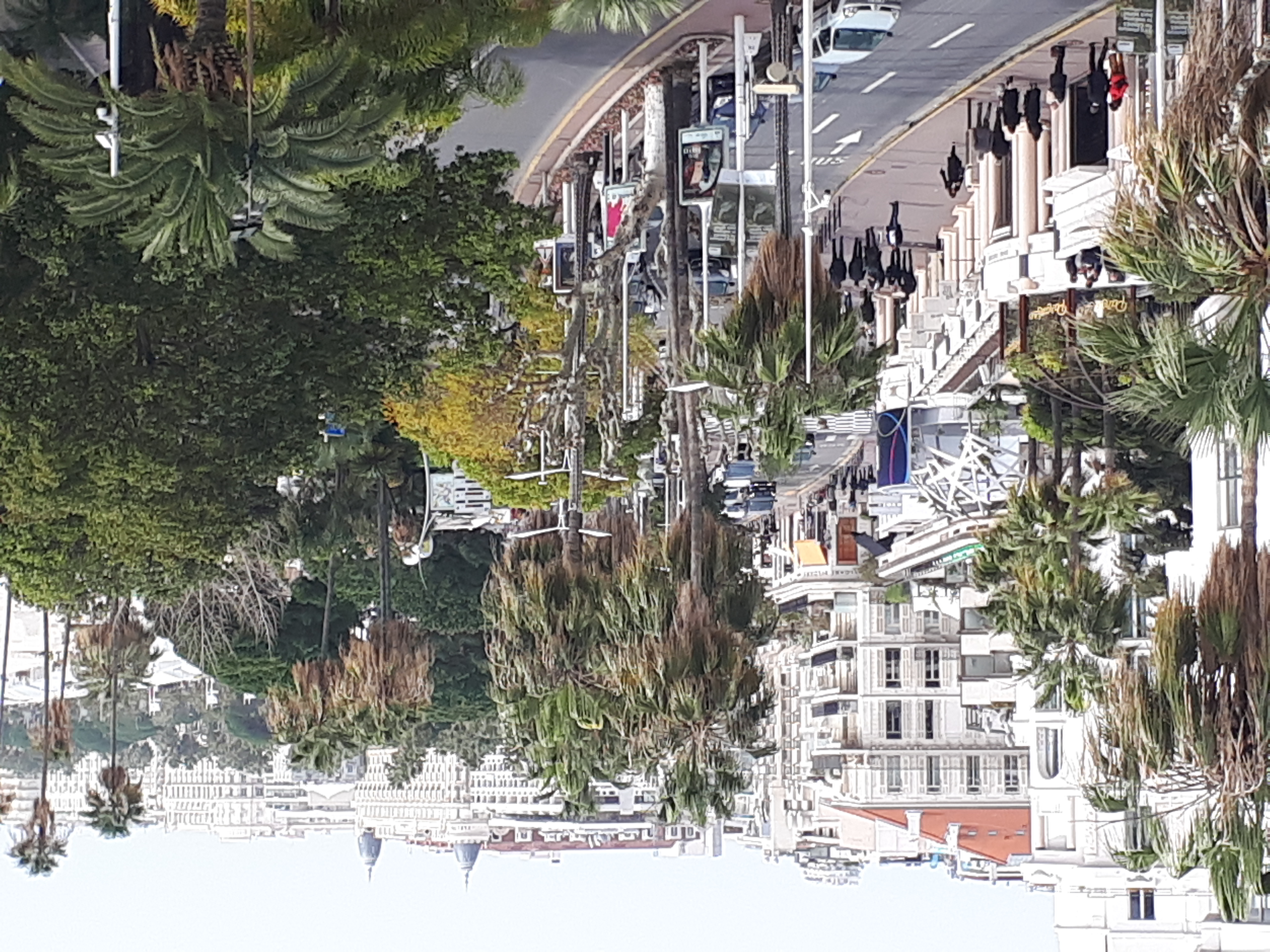
Porto Montenegro registers high demand for Boka Place retail opportunity
5th March 2022.
Aleksandar Opsenica
Editorial in Chief
AG Real Estate
REBEC
A unique nautical destination in the heart of the Adriatic, Porto Montenegro is one of the region’s most prestigious lifestyle projects. For more than a decade, it has represented the most complete investment opportunity in the wider region, with an attractive offer that includes luxurious residences for sale and rent, retail outlets featuring a mix of prestigious international brands, and an award-winning 450-berth marina with complete infrastructure.
The Boka Place neighbourhood, on which construction began in October 2020, will open in 2023. Integrated within its 213 housing units, it offers more than 40 retail units for lease to both local and international operators.
Representing a total area of ? just over 7,500 sqm the retail space comprises 34 stores, five restaurants and cafes and six pop-up locations for short-term projects. More than 40 percent of the space has already been pre-let.
Boka Place presents a great opportunity for high-quality retailers to increase their presence in Montenegro, benefiting from the prestige of a Porto Montenegro address, and capitalising on its continuing growth, both as a tourist destination and as home to a vibrant international community of more than 30 nationalities. The Boka Place retail scheme is planned to be a unique fashion and entertainment destination across the Adriatic Region. Designed to promote a healthy and active lifestyle, the world's first Hotel SIRO, an innovative concept from the hospitality giant Kerzner International (founder of the One & Only group) will especially contribute to the ambience of the new neighbourhood.
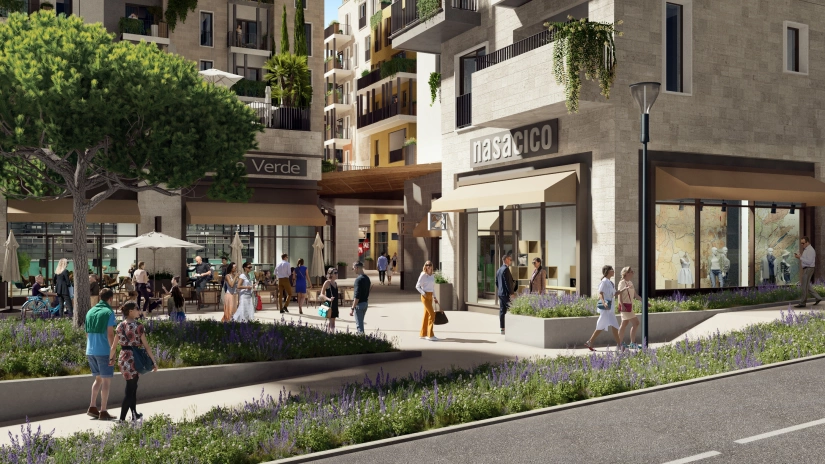
Fortenova Group sells Zagreb office tower to Agram Group
23rd February 2022.
Aleksandar Opsenica
Editorial in Chief
AG Real Estate
REBEC
Fortenova Group has signed a contract with Agram Group for the sale of the Cibona Business Tower in Zagreb. The asset comprises office premises on 16 floors as well as garage areas amounting to 6,700 square meters overall. In accordance with the contract, the pruchase price is not being disclosed.
The Cibona Business Tower is one of Zagreb’s most representative office buildings. It is located in the centre of the city, at a prestigious and easily accessible location, and since it was built as part of the sports hall complex for the purpose of the 1987 Universiade it has become one of the city’s most recognizable landmarks.
“After having largely completed the processes of divesting our non-core companies, the focus has been shifted to the sale of non-core real estate. We are happy to have found, within a very short time, a partner who will, I am sure, provide the required investment into this well-known building," said James Pearson, Fortenova Group’s Chief Financial Officer.
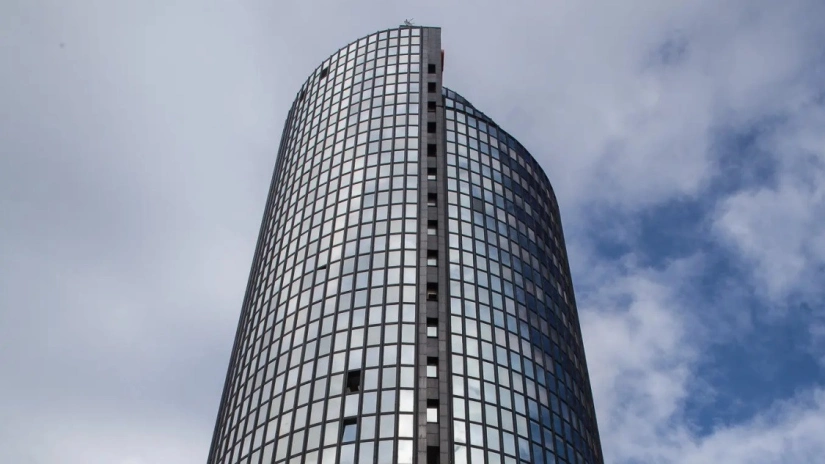
Driving Urban Change
MIPIM 2022 Back to Its Traditional Dates
7th February 2022.
Aleksandar Opsenica
Editorial in Chief
AG Real Estate
REBEC
Due to the circumstance resulting from Corona effects, MIPIM 2020 was not held on its regular dates. The announcement of the offline MIPIM 2021 had been expected with considerable misgivings, however it was held from 7th to 9th September 2021 which allowed for its continuity. All interested parties gathered together to support the efforts of MIPIM organizers with their physical presence hoping to see MIPIM 2022 back in its earlier formats.
The updated MIPIM site gives (as of the end of January 2022) all relevant information regarding the event. The exclusive news is that the former president of France (2012-2017) Mr. Francois Hollande will be the keynote speaker at the ceremonial opening of this year�s MIPIM to be held on Tuesday March 15th in Grand Auditorium starting at 3pm. In the afternoon RE Investment summit will be held under the auspices of Redevco, CMS-a, KPMG-a, Patrizia and Investment Managers in the Majestic hotel which will host the Summit of Political Leaders after Mr. Hollande�s speech.
The former French president is expected to share with the real estate industry his beliefs and views on the extensive problems facing the whole world, primarily economic and social issues in the context of health and sanitary crisis which has been the determining factor affecting diversity, equality and employment in the last two years. It will also be interesting to hear Mr. Hollande�s view in terms of climate change (which was an important topic during his presidency), especially in the context of the Paris Conference of Climate Change held in 2015.
The significance of the moment in which this year�s MIPIM is held cannot be overestimated. We are witnessing the burning crisis in Ukraine arousing wide interest and serious concerns about it possibly growing into a war conflict. Needless to say, this would present a daunting factor in all investment enterprises in Europe. On the other hand the expected onset of inflationary times is additionally accelerating investments especially in Germany. The increased demand has caused extensive disturbances on the markets of basic building materials such as steel, aluminum, cement, bricks, ceramic tiles, power cables, water and sewage pipes and many others. Power prices have been going up dramatically this winter, which opens further question of what the situation will be like in spring with warmer temperatures.
Hence, the MIPIM event at the beginning of investment season is extremely important, at least for Europe, bearing in mind that most of these questions can be answered there ...


Total amount on the real estate market in the last quarter in Serbia 1.8 billion EUR
21st January 2022.
Source: AG Real Estate/REBEC
The total amount of money on the real estate market in Serbia, in the last quarter of 2021, amounted to EUR 1.8 billion, which is 33.8% more compared to the same period last year, according to the report of the Republic Geodetic Authority. If we compare it with the amount of money on the market in relation to the third quarter of the previous year, an increase of 8.2% was recorded.
The total number of concluded sales contracts during the last quarter of 2021 in Serbia was 37,500, which is a record number for all quarterly reports in the last four years and a growth of 12.6 percent compared to the last quarter of 2020. Also, 7.6% more registered contracts were recorded compared to the third quarter of the previous year.
In the fourth quarter of 2021, the largest share in the total funds in real estate turnover had the turnover of apartments with 51% share, ie turnover of EUR 902.1 million, of which EUR 541.9 million was allocated in Belgrade alone. The rest of the share consists of funds allocated for residential buildings (houses, cottages and residential buildings) in the amount of EUR 188.5 million (11%), for construction land EUR 125.8 million (7%), for business premises EUR 102.2 million (6%), while EUR 68.2 million (4%) was allocated for agricultural land.
In the last quarter, the share of payments for apartments from credit funds was 30%, which is a decrease of 2% compared to the third quarter of 2021, as well as a decrease of 3% compared to the last quarter of 2020. The share of payments on all real estate from credit funds was 13%, which is a decrease of one percent compared to the last quarter of 2020 and an identical decrease compared to the third quarter of the previous year.


Belgrade Waterfront Buys Building Land Near of Ada Ciganlija
10th December 2021.
Source: AG Real Estate/REBEC
The company Belgrade Waterfront has bought land in Radnicka Street in Belgrade at a public bidding.
ďż˝ It is our great honor to get an opportunity to continue building and enriching the lives of the citizens of Belgrade, but also all the visitors to the Serbian capital. Belgrade Waterfront has brought new standards to the region. With each new project, we are pushing the boundaries, implementing innovations and creating a new, extraordinary environment for all citizens. We have proven that we are good, but we want to be even better in everything we do. We believe that a new acquisition will enable us to show that we can still raise standards and create even better ones. Everything we create, we build with great passion and dedication, from the heart and with the desire to have the citizens be proud of Belgrade and Serbia ďż˝ said Mohamed Alabbar, the chairman of Eagle Hills.
Let us remind that this is the land alongside Radnicka Street, in close proximity to the Sports and Recreation Center Ada Ciganlija, the Hippodrome and the cultural-historical and tourist whole Topcider. The price for the land of 55,169 m2 is RSD 3.18 billion, that is, around EUR 27 million.
Commercial features such as: shopping centers, hypermarkets, shopping malls, gas stations, distribution centers, wholesale markets, warehouses, green markets and commercial garages are not allowed in this location, whereas the allowed compatible purposes are features from the field of culture and sports facilities and complexes.


MAPIC 2021 again in person
15th October 2021.
Source: AG Real Estate/REBEC
After a two-year break, MAPIC will be in perosn again in its traditional term. Admittedly moved two weeks later than usual, in mid-November each year and it is again an opportunity for retail professionals to gather on the Cote d�Azur in Cannes. Expectations are high, especially given the negative impact of Covid on the development of the retail industry. New products are appearing in every segment of the retail industry. This will be an opportunity for a complete and confirmed recording of the current development of the retail sector.
Business meetings are scheduled. It will be an opportunity for products to appear on the retail market that will try to find their customers. In the meantime, new rules of "conduct and acctivities" have been imposed. The E commerce has an increasing impact on retail and on the existing retail products are experiencing a complete or partial recomposition in a functional and business sense.
A decent number of visits are expected from the SEE region, and this will be another opportunity for SEE to show and confirm its investment opportunities and attractiveness.
See you at MAPIC 2021!


A high-rise building is planned on the site of Alta Bank
1st September 2021.
Source: AG Real Estate/REBEC
Secretariat for Urban Planning and Construction of the City of Belgrade announced an early public inspection regarding the development of a detailed regulation plan for block 32, in New Belgrade municipality. The initiative for the development of the Plan came from Alta Holding doo, based in Zemun, with the aim of creating a legal basis for Dr. Zoran Djindjic Boulevard and Boulevard of Arts (Bulevar Umetnosti), and checking the possibility of constructing a high-rise building in accordance with the terms of the General Regulation Plan.
The Alta Bank building (formerly Jubmes Bank) is located at the corner of Dr. Zoran Djindjic Boulevard and Boulevard of Arts, and, as the plan states, it is of good creditworthiness, however, poorly positioned in relation to the extremely wide intersection of the two boulevards. The plan envisages the replacement of the Alta banka building with a new commercial facility. The construction rules for commercial facilities in this area stipulate a maximum height of the building's wreath up to 32 m, and in the zone of a high-rise building up to 120 m.
The expected effects, among others, are the reconstruction and transformation of the business center on the corner of Dr. Zoran Djindjic Boulevard and Boulevard of Arts, and increase in area's attractiveness by building a skyscraper, equipping the area with both public and assigned garages, and increasing the number of jobs available.


RE Filipoviďż˝ conference invites to reunion
15th August 2021.
Source: AG Real Estate/REBEC
During this summer, the RE Filipoviďż˝ conference was announced. After 2019, this is the first opportunity to gather in Zagreb and get business advice on the development of the RE industry. Traditionally, representatives from the region will gather at the Esplanada Hotel. Thematically, this event is generally indistinguishable from the previous ones. It will be refreshed with current topics and the thematic accent related to urbanism and architecture is noticeable, the increasing use of wooden constructions in buildings, ESG and green topics are now unavoidable, and a special opportunity will be given to present projects from Croatia.
In the two days of this event, it will be an opportunity after almost two years to physically hang out again and network with professionals who come from the world of real estate development. As usual from Serbia, a team of professionals is being prepared, who will compare and comment on all current tendencies of their markets with their colleagues from the region. In front of the international audience, the Serbian market will be presented on its traditional panel.
.JPG)
.JPG)
.JPG)
Real Estate Market in Serbia Worth EUR 1.3 Billion
9th January 2021.
Source: AG Real Estate/REBEC
In the final quarter of 2020, the real estate market in Serbia was worth EUR 1.329 billion, there were 14.9 thousand transaction contracts and the most expensive house sold was a house in Belgrade that went for EUR 1.85 million, whereas a complex in Sopot went for EUR 3 million, according to the quarterly report of the Republic Geodetic Authority. The most sold properties had been apartments, accounting for 29% of the total amount of the transactions, whereas in the third quarter they had been at 28%, followed by construction land at 19%, agricultural land at 16%, residential facilities at 14% and garages at 8%.
In the final three months of 2020, the real estate market in Serbia was worth EUR 1.329 billion, which is an increase compared to EUR 1.2 billion in the third quarter, and that the largest turnover since the RGA had started collecting the data had been recorded in that period.
The trade of apartments was at 54%, residential facilities were at 10%, and building land stopped at 8%. In general, real estate was paid for in cash more, with 86% sold for cash and 14% through credit financing. As for apartments, credits account for around 32%. The 13 most expensive new apartments sold in the fourth quarter are located at the Belgrade Waterfront, whereas the most expensive old apartments are in Gospodar Jovanova Street in the Belgrade municipality of Stari Grad, where the highest prices for offices and garages were realized as well.
The most expensive house went for EUR 1.85 million and is located in the Belgrade municipality of Savski Venac, whereas a complex in Sopot, with two vacation houses, auxiliary buildings, several parcels of land and a pool, went for EUR 3 million. In 2020, there was an increase in the number of vacation houses sold compared to 2019, but there was still a decrease in the fourth quarter.


A Step Closer to the Construction of Hotel InterContinental in Belgrade
10th December 2020.
Source: AG Real Estate/REBEC
Delta Real Estate has secured the resources and the technical documentation for the construction of the business complex Delta Center in New Belgrade, within which Hotel InterContinental Beograd, of 26,000 m2, will be located, and the same area will be taken up by high-class office space. The Secretariat for Urban Planning and Construction of the City Administration of Belgrade has recently put the draft detailed regulation plan of this area up for public review. Building permits are now being waited for, and Investor are ready to open the construction site and begin the works within two weeks of the issuing of the permit. Delta Real Esate plan to invest EUR 130 million in the construction of the complex. The project of Delta Center is prepared by the London office of the famous Gensler studio.
The business center will entail an exclusive shopping zone and restaurants, as well as a large underground parking lot.

Construction of New Business Towerďż˝ Skyline Omnia to be 132 Meters Tall
20th October 2020.
Source: AG Real Estate/REBEC
The construction of another project in Kneza Milosa Street, called Skyline will be located within the modern residential-office complex Skyline Belgrade. The investor in the project, AFI Europe Serbia, emphasizes that this functional business tower, which is worth EUR 73 million, will be one of the symbols of the Serbian capital.
Skyline Omnia will have 31 floors and take up nearly 40,000 m2. There will be no queuing for elevators in this business tower, since the project envisages as many as 11 fast elevators for the employees and the visitors. The tenants will be provided with maximum flexibility, as there will be a possibility for each floor to be divided up in line with their requests and needs. The lease areas, from 250 m2 to 920 m2 per floor, will enable each activity to be organized in the optimal way. This modern building will be an example of the use of high-tech equipment, and thanks to its sophisticated telecommunications equipment, it will also meet the LEED Gold standard.
The lack of parking spaces in Belgrade center is one of the important problems of the business world, but the tenants of the Skyline Omnia business tower will not have to worry about it, because they will have 479 garage parking spaces at their disposal. The ground floor is meant for retail outlets, and each fifth floor will feature a balcony. A building featuring this kind of concept in a prestigious location will be a great choice for companies that require first-class, quality and inspirational working environment.


Residential-Office Complex on 100,000 m2 near Yu Business Center, New Belgrade
20th May 2020.
Source: AG Real Estate/REBEC
The ambitious project of the construction of a residential-office complex with two tall towers in the attractive location of Block 12 in New Belgrade has been made current again after a whole decade.
The Secretariat for Urban Planning and Construction of the City of Belgrade has announced a public presentation of the Urban Plan for the construction of this complex, which will spread on nearly 100,000 m2 near the Yu Business Center.
The Detailed Regulation Plan for this location was adopted, and the company Urbanisticki Centar, which prepared it, has now prepared an urban plan for this project, which is commissioned by the company Termomont, also the investor in the project. The total number of apartments on both parcels will be 604, and the planned number of flets is 1,752.


Activities in Location Depot, Residential and Office Facilities in Belgrade
20th March 2020.
Source: AG Real Estate/REBEC
The procedure of adopting the planning document necessary for the construction of apartments and stores in the location of the shopping center at 142 Kralja Aleksandra Blvd, destroyed in a fire, was stopped due to the state of emergency. The public review of the detailed regulation plan for this 1.18-ha block ended before it started. No one knows at the moment when the procedure might continue and no one can specify when the city parliament might start working again, and the draft DRP needs to be adopted by it.
The consortium of Israeli companies Yossi Avrahami and Almogim Holdings is behind the Depot project. The preparation of the planning document was commissioned by BKA Development, which bought the Depot for EUR 4.15 million three years ago. The buildings facing Kralja Aleksandra Blvd can be 32 meters tall (eight floors and a loft), whereas stores and other commercial features will have up to two floors. The area of the future complex is projected at around 14,000 square meters.
As for what the investor will be obliged to preserve in the location and how it will fit into the future complex, this depends on the conditions set by the Institute for Protection of Cultural Monuments. The location features a protected tram deport, the first facility for storage and maintenance of public transport vehicles in Belgrade and Serbia. Its construction enabled the opening of the first tram line in Belgrade, from Kalemegdan to Slavija, on October 14, 1892.


Two more weeks until this year�s IHIDC
22nd October 2019.
Source: AG Real Estate/REBEC
International Hotel Investment and Design Conference will be held in the Andaz Vienna Hotel on 7th November. This is a leading specialized event dedicated to the development of the hotel industry and covers the markets of central and east Europe. The participants are specialized investors, entrepreneurs, operators, consultants and designers engaged in the hotel industry.
Ever since its establishment in 2007, this specialized event has been traditionally organized in Vienna. IHIDC has earned its prestigious and recognized place among the numerous events dedicated to development of business activities within the hotel industry. More than 40 respected speakers from 20 countries and more than 300 participants have already confirmed their participation in the one-day programme. This year program you can see here.
Pictures from last year event, you can see here.
The quality of the specialized topics and confirmed speakers recommend this event as mandatory and qualify it as the first class one-day event.
Cease this business opportunity, come to Vienna for two weeksďż˝ and be a part of this outstanding event.


One week until CEE Property Forum
11th September 2019.
Izvor: AG Real Estate/REBEC
There are hardly any available seats in the audience of this year�s CEE Property Forum.
Discounts are no longer offered, all panels with speakers are full. The Savoyen Hotel is fully booked. This event will be really good. Don�t miss this specialized business investment opportunity.
See you in Vienna in a week�s time at CEE Property Forum.


One month until XXII Expo Real
7th September 2019.
Izvor: AG Real Estate/REBEC
The announced conference programmes in all 7 thematic units that are to be simultaneously held in 7 points within 6 halls on the Munich Trade fair are having their finishing touches. The exhibitors are concluding their preparations. The catalogues have been printed long time ago and the appointments have been confirmed and are being filled in, where there are possibilities.
Serbia will have its stand and through the presentation of the Development agency of Vojvodina (RAV), the representatives of municipalities from Backa, Srem and Banat will offer their investment potentials. Slowly, but surely, apart from the industrial projects, the offer will include possibility to develop office, retail and hotel/tourist projects throughout the cities and territory of the province of Vojvodina
By presenting its increasing investment potentials, this will be a chance for Serbia to take its place on the top list of the most interesting investment destinations. Recently published data in the Financial Times do Serbia good. Serbia has definitely become the leader in the southeast Europe in terms of attracting foreign investors. This year, FDI is expected to be over 5 billion euros.
Due to all afore mentioned, we expect this year�s participation and RAV�s organization to be highly successful.
See you in Munich!


Two weeks until CEE Property forum
4th September 2019.
Izvor: AG Real Estate/REBEC
On the website of Property Forum, in the section announcements of CEE events, you can see completed agenda and list of all speakers of this year�s event. The speakers are as respectable as the companies they will be representing � of the utmost investment and specialized rank.
It is certain that as well as in the past, the quality of the topics, speakers and audience would confirm the significance of this event.
Cease this opportunity to be properly and directly informed on the investment situation in the CEE region by being present at the event. Try to find your investment opportunity by visiting and taking part in the at the CEE Property Forum.


Two months until Expo Real
7th August 2019.
Izvor: AG Real Estate/REBEC
The organization of this year�s Expo Real is reaching its final phase. Leading European business platform B2B sends new announcements and notification throughout the world on daily basis. With every year, the number of international participants in Expo Real increases and there will be no world market that would not be represented in Munich this year.
The old rule says that those that decide in the last moment to visit the event will experience great organizational problems. Decent accommodation in Munich is no longer to be found, the prices of the airplane tickets to Munich have reached the sky, and there are less and less free appointment terms for potential business meetings. The only chance to set up a meeting with serious and prestigious investors in this moment is by stroke of luck!
Due to all afore mentioned, hurry up and catch the business opportunity in Munich this year and present yourself to the world.
More details at www.exporeal.net


CEE Property Forum, Vienna
23rd July 2019.
Izvor: AG Real Estate/REBEC
The first announcement regarding this year�s CEE Property Forum has been broadcasted. This year, afternoon and evening of 18th September are reserved for PROPTECH and pre-conference party. The entire day of 19th September is reserved for presentation of the current issues and analysis of CEE region real estate investment development status.
Gathering of RICS members and other interested parties for this prestigious special event, this time will be held in the Vienna Savoyen Hotel, and one day earlier, ERSTE Central office in Vienna will host the cocktail party sponsored by CBRE and Revetas.
The topics are up-to-date and the programme details can be seen here. There are 22 registered topics and more than 30 countries represented by over 500 delegates will be present there.
Cease this opportunity to be properly and directly informed on the investment situation in the CEE region. Try to find and use your business chance in Vienna in the mid of September.


XXII Expo Real, Munich
7th July 2019.
Izvor: AG Real Estate/REBEC
As usual, three months before the start of the Expo Real, everything is going as planned. The �investment market� in Munich will once again be a host and gathering platform for this year�s participants. Last year, there were over 45.000 visitors and it is very likely that this record will be broken with even more visits.
Positive investment expectations in Europe and world go in favour of the event. The unavoidable BREXIT will have key influence onto the real estate development issue in the world and Europe. The expected prolongation of the Britain�s exit from the EU additionally makes the investment situation more complicated.
Based on the announcements available on the website of Expo Real, there will be 2.095 exhibitors from 41 countries on over 64.000m2 of contemporary exhibit space. There will be more than 500 leading experts from the real estate development industry in the conference programme.
All information on conference part of the programme can be found here.
Follow us daily and frequently, www.exporeal.net


